EPA Proposes Page Limits and Hard Deadlines for NEPA Environmental Reviews
According to Engineering News-Record, the U.S. Environmental Protection Agency has proposed changes to its National Environmental Policy Act review process that agency officials say will speed up environmental reviews and make them more predictable for project developers.
What’s Changing Under the Proposal
EPA Administrator Lee Zeldin framed the overhaul as a correction to decades of regulatory overreach. “NEPA was never meant to be a weapon to kill projects. It was meant to protect the environment we all share,” Zeldin said in a statement. “For decades, it’s done the opposite: drowning critical projects in paperwork and lawsuits.”
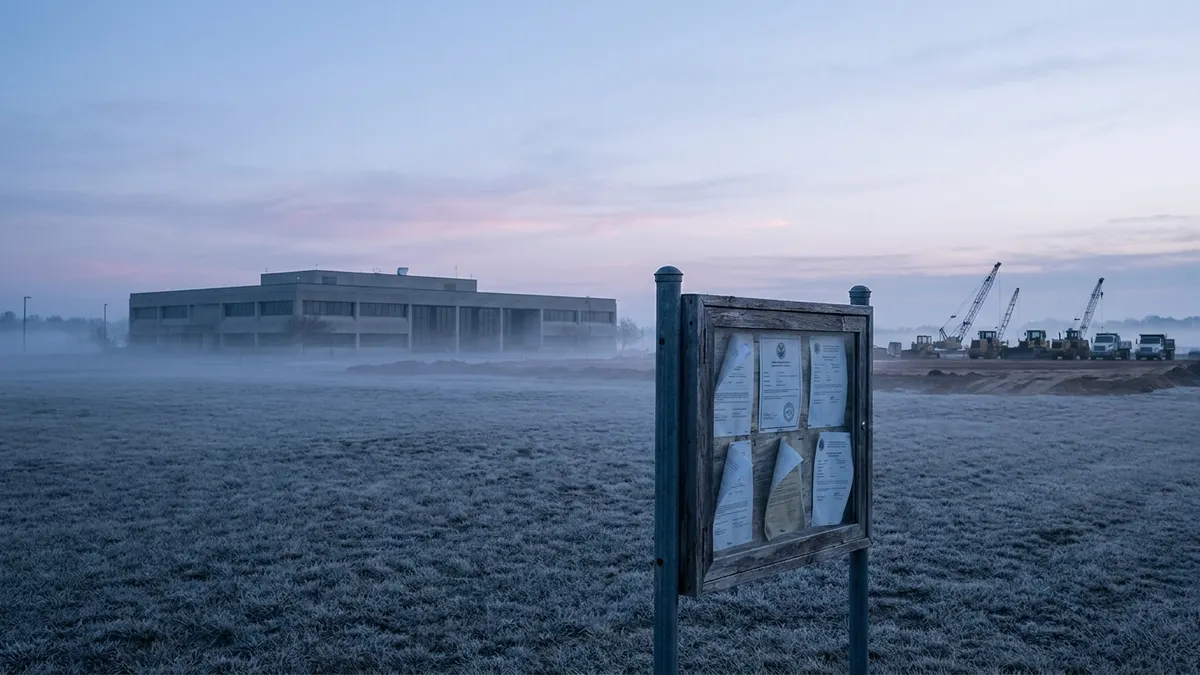
The proposed rule would cap environmental impact statements (EIS) at 150 pages, or 300 pages for extraordinarily complex actions. EPA would also be required to complete an EIS within two years and certify it has met statutory deadlines. The proposal would also create a fast-track review process and clarify that NEPA analysis covers proposed actions and their reasonably foreseeable environmental effects. EPA says the changes align with NEPA reforms already underway at other federal agencies, and that no existing environmental laws such as the Clean Air Act or Clean Water Act would be rescinded.
Not everyone is convinced the proposal carries much weight. Brad Campbell, president of the Conservation Law Foundation and a former EPA regional administrator, called the action largely irrelevant, arguing that Congress, the Supreme Court, and the Trump administration have already eroded NEPA’s core protections to the point that the new rule adds little.
What It Means for Subcontractors
- Hard two-year deadlines on EIS completions could reduce the open-ended permitting limbo that has historically delayed project starts, giving field contractors more reliable mobilization timelines.
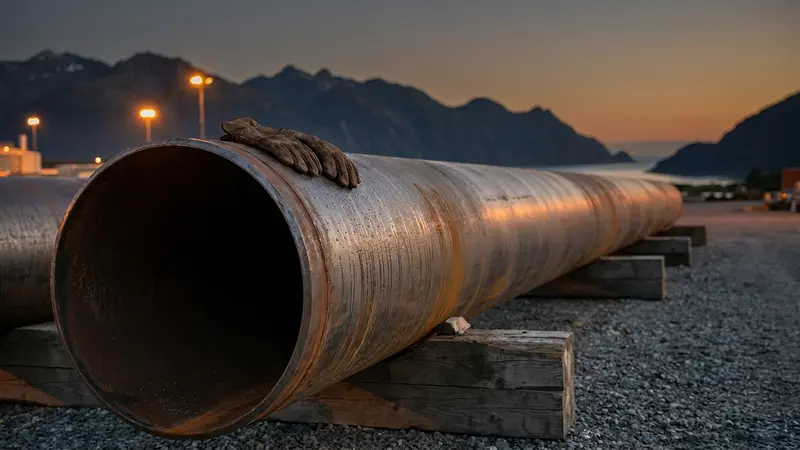
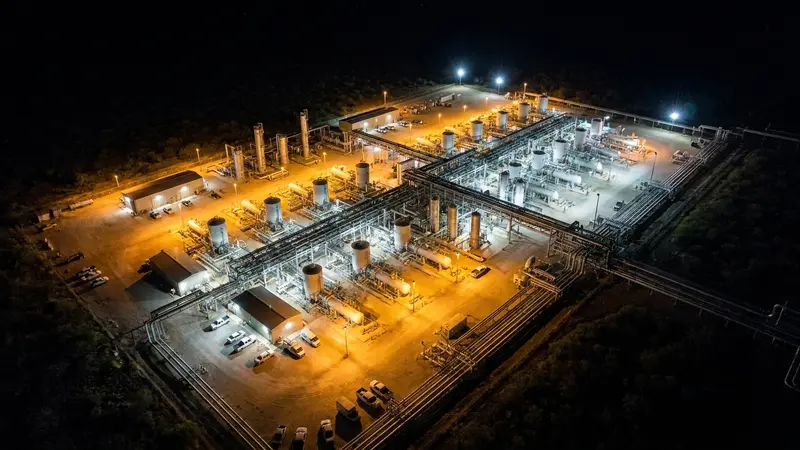
- Page caps on environmental reviews may compress the review cycle on energy, pipeline, and infrastructure projects, particularly in active basins like the Permian and Gulf Coast where federal permits are common.
- The fast-track process mentioned in the proposal could benefit smaller or less complex projects, potentially moving some jobs to construction phase sooner than under current rules.
- Subcontractors bidding on federal or federally permitted projects should watch for a finalized rule and factor potential timeline changes into project bids and resource planning.