Court Strikes Summit Carbon Permits for Second Time in Four Months
According to the North Dakota Monitor, a district court judge has revoked underground storage permits for Summit Carbon Solutions’ proposed $8 billion carbon capture pipeline, ruling for the second time in four months that a 2009 North Dakota law violates the state constitution.
What Happened and Why It Matters
South Central Judicial District Judge Jackson Lofgren ruled that North Dakota’s law, which allows regulators to permit CO2 storage beneath the land of nonconsenting property owners, cannot stand. “Because the findings and conclusions of the NDIC are not sustained by the North Dakota Constitution, they must be reversed,” Lofgren wrote. A separate judge reached the same conclusion in December following a lawsuit by the Northwest Landowners Association.
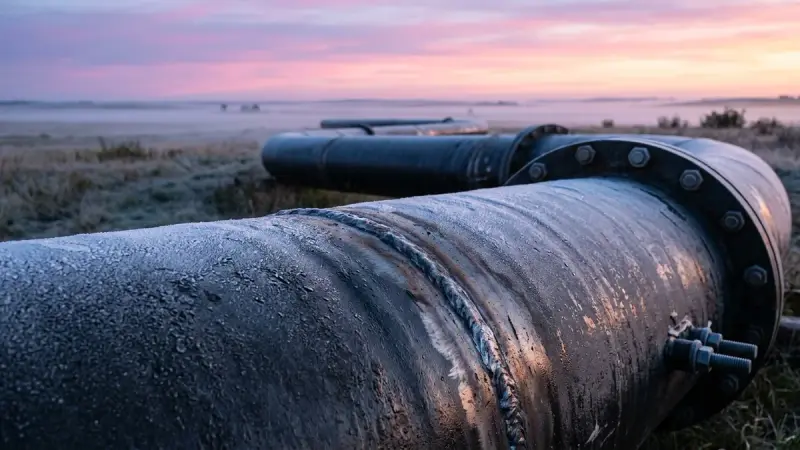
The ruling effectively invalidates the permits the North Dakota Industrial Commission had issued to Summit, according to the landowners’ attorney. The project, backed in part by Continental Resources founder Harold Hamm, who reportedly committed $250 million to the venture, would have stretched 2,500 miles of pipeline across five states, gathering CO2 from ethanol plants and storing it beneath roughly 90,000 acres in three North Dakota counties. Nearly 92% of affected landowners had signed voluntary agreements, but the holdouts’ legal challenge has now twice succeeded in court.
Landowner Kurt Swenson called the decision “an important victory not only for our family, but for all North Dakota landowners who believe that private property rights and constitutional protections still matter.”
What It Means for Subcontractors
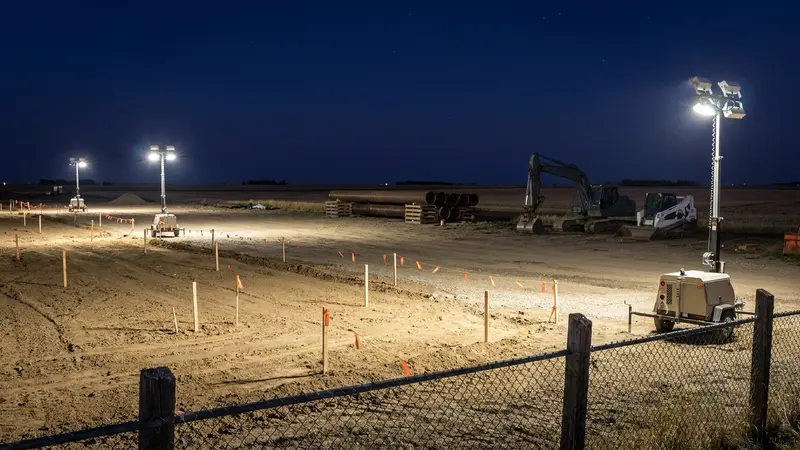
- Pipeline construction work is on hold. Any subcontractors who had been positioning for survey, right-of-way clearing, trenching, or pipe-lay contracts on the Summit network should treat this work as indefinitely delayed. Summit has not announced a path forward.
- Eminent domain risk is real across CO2 projects. This ruling is the second in four months on the same legal question. Subcontractors bidding on carbon capture pipeline work in the Midwest and Plains states should factor permitting and property rights litigation into project timelines and contract terms.
- Watch for spillover into other CO2 projects. The legal precedent being set in North Dakota could influence how regulators and project sponsors approach similar pipelines in Iowa, South Dakota, Minnesota, and Nebraska, all states along the proposed Summit route.
- Ethanol sector investment may slow. Summit’s pipeline was positioned as a lifeline for ethanol plant competitiveness in emerging markets like sustainable aviation fuel. Delays or cancellation could reduce capital spending at ethanol facilities, affecting instrumentation, maintenance, and construction subcontractors serving that sector.