Contractors Bet on Training as Skilled Labor Stays Scarce
Construction firms are shifting toward internal training and multiskilling programs to close persistent skilled labor gaps, even as overall headcount growth slows, Construction Dive reports based on recent ABC and AGC webinars.
Market Impact
For the first time since the pandemic, more contractors cut staff than added workers over the past year, said Ken Simonson, chief economist at Associated General Contractors of America, during a Sept. 3 webinar. Yet demand for skilled trades hasn’t eased: 87% of firms still report open craft positions, according to a joint AGC and National Center for Construction Education and Research survey, and 88% of those with openings say filling them is as hard or harder than a year ago.
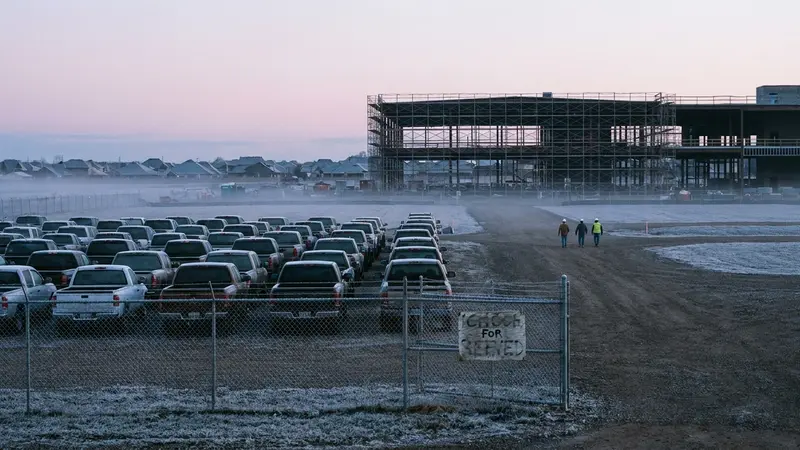
Data center work is intensifying the pressure. AGC found 58% of surveyed firms say data center construction has increased competition for skilled workers, 49% report rising wage pressure, and 37% cite worker or subcontractor availability as their top challenge on those projects. Mindy Bates, HR director at Ace Electric in Valdosta, Georgia, said her firm has had to turn down work rather than overcommit, and that turnover runs highest among traveling data center crews, particularly electricians and helpers.
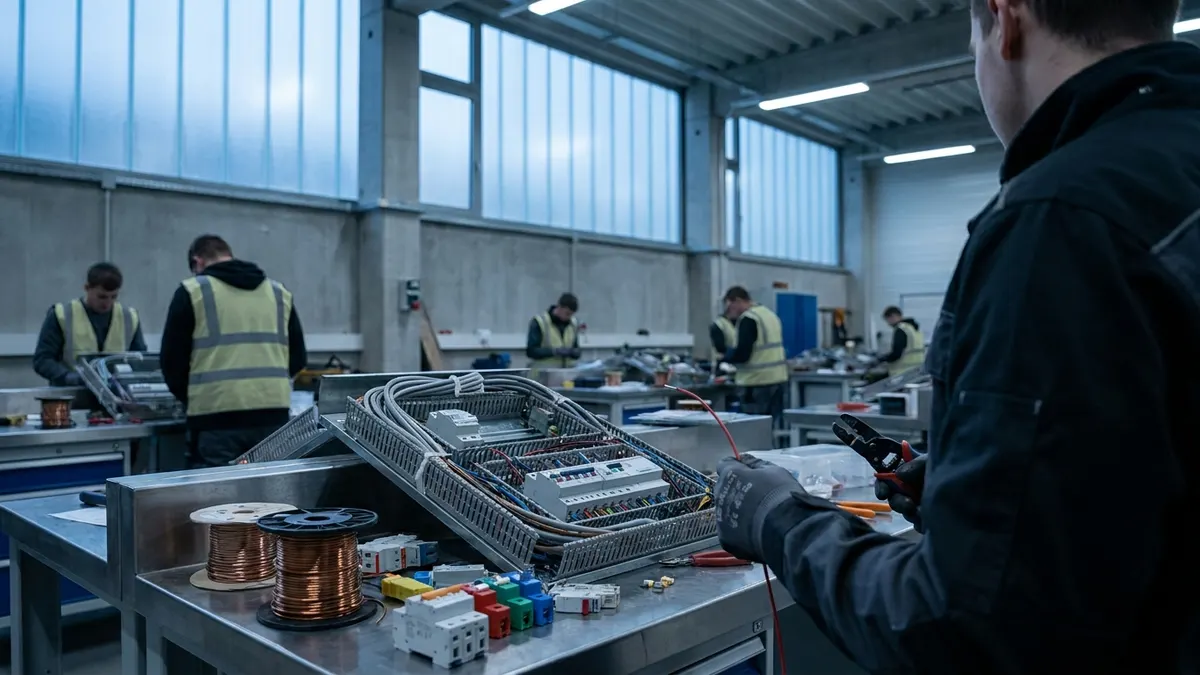
A study from the Simplar Foundation with researchers from Arizona State University, the University of Kansas and UNC Charlotte found that for every 10 multiskilled workers, 14 to 17 single-trade workers would be needed to cover the same scope, according to Brian Lines, associate professor at the University of Kansas. Contractors are backing that approach with structured programs: Ace Electric runs a weeklong “Ace University” orientation for new hires, Atlanta-based Holder Construction partners with community colleges on roughly five-week boot camps with committed job offers, and Alamo Colleges District in San Antonio runs a 13-week trades introduction program plus customized upskilling for employer partners.
What It Means for Subcontractors
- Electrical, pipefitting and multiskilled crews will see the tightest competition on data center jobs, with 58% of firms citing increased competition for those workers and 49% reporting wage pressure, per AGC’s survey.
- Firms unable to staff data center awards are already declining work, as Ace Electric’s Bates described, so subcontractors should lock in crew commitments and pricing early rather than bidding on capacity they can’t guarantee.
- Consider partnering with community and technical colleges now, following the Holder Construction and Alamo Colleges District models, to build a pipeline of trained workers with committed job placements five weeks to 13 weeks out.
- Build internal cross-training paths, similar to Joel Dutton’s move from welder to pipefitter to foreman at Evans General Contractors, to retain workers by offering advancement instead of losing them to turnover.
- Traveling data center crews show the highest turnover, especially at the electrician and helper level, so subcontractors staffing travel teams should budget for retention costs and onboarding support beyond what local teams require.