Construction Input Prices Up 6.2% in 2026's First Four Months, Outpacing Three Years of Prior Increases
According to Construction Executive, an Associated Builders and Contractors analysis of U.S. Bureau of Labor Statistics Producer Price Index data found that construction input prices rose 1.7% in April compared to the prior month, with nonresidential construction input prices climbing 1.8% over the same period.
Market Impact
The April spike continues a sharp upward trend that has caught many contractors off guard. Input prices have now risen 6.2% in just the first four months of 2026, surpassing the 4.8% total increase recorded over the previous three full years. Year-over-year, overall construction input prices are up 7.0%, while nonresidential construction input prices are up 7.4%.
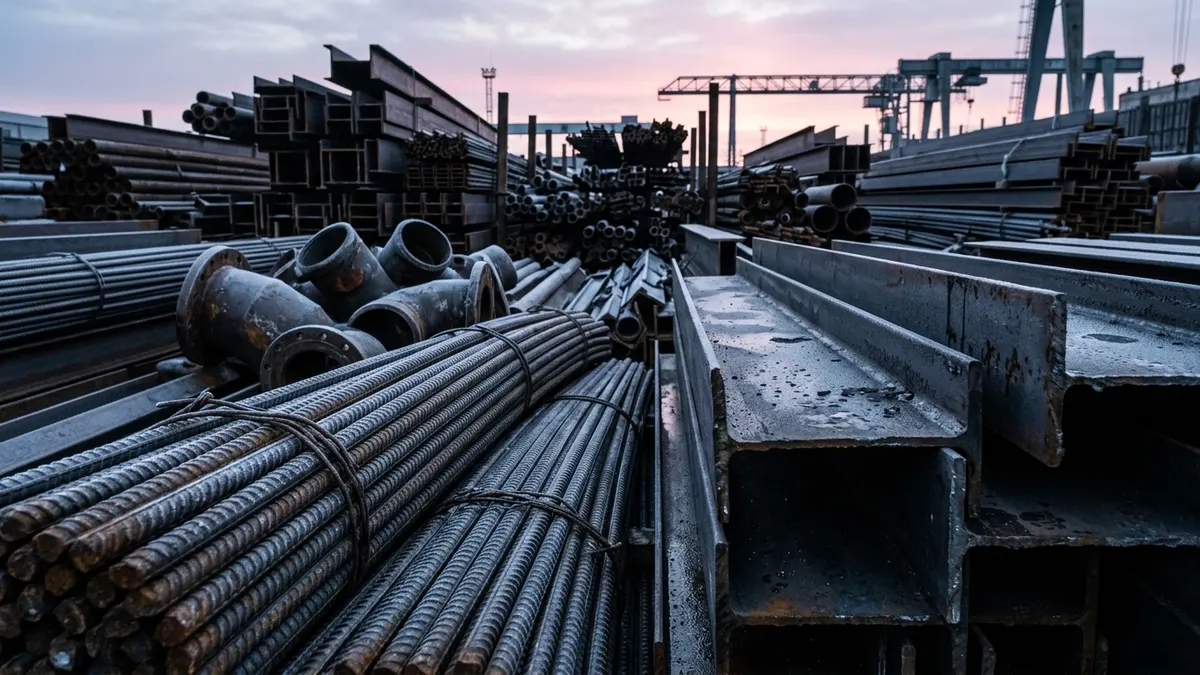
Energy costs drove much of April’s increase. Crude petroleum prices surged 11.3%, unprocessed energy materials rose 9.2%, and natural gas climbed 4.9%. But the pain wasn’t limited to energy. ABC Chief Economist Anirban Basu noted that escalation was widespread, with tariff-affected materials like iron and steel posting “particularly large price increases.”
“Construction input prices surged again in April,” Basu said. “Input prices have now risen more during the first four months of 2026 (6.2%) than over the prior three years (4.8%).”
Basu also warned that hot inflation data and a strong labor market make Federal Reserve rate cuts unlikely in the near term, adding another layer of financial pressure on the industry.
What It Means for Subcontractors
- Revisit fixed-price bids immediately. A 6.2% materials swing in four months can erase margins on work quoted in January. If you have bids outstanding, review your material assumptions before signing contracts.
- Push for escalation clauses. With nonresidential input prices up 7.4% year-over-year, escalation provisions are no longer a tough sell. Use current BLS PPI data to support your case with GCs and owners.
- Watch iron, steel, and energy line items closely. These categories are leading the surge, according to ABC’s analysis. Subcontractors in structural steel, pipework, and fuel-intensive operations face the sharpest exposure.
- Don’t count on rate relief to ease credit costs. Basu’s comments suggest the Fed is unlikely to cut rates soon, meaning financing costs for equipment and working capital stay elevated alongside rising material prices.