Con Edison Plans $29B Grid Upgrade Across NYC Region Through 2030
According to Utility Dive, Consolidated Edison is planning more than $29 billion in grid spending over the next five years as electrification of buildings and transportation accelerates across New York City and its surrounding suburbs. The capital program, one of the largest utility infrastructure commitments in the Northeast, signals a sustained wave of substation construction, underground work, and electrical upgrades that field service companies should be positioning for now.
Background
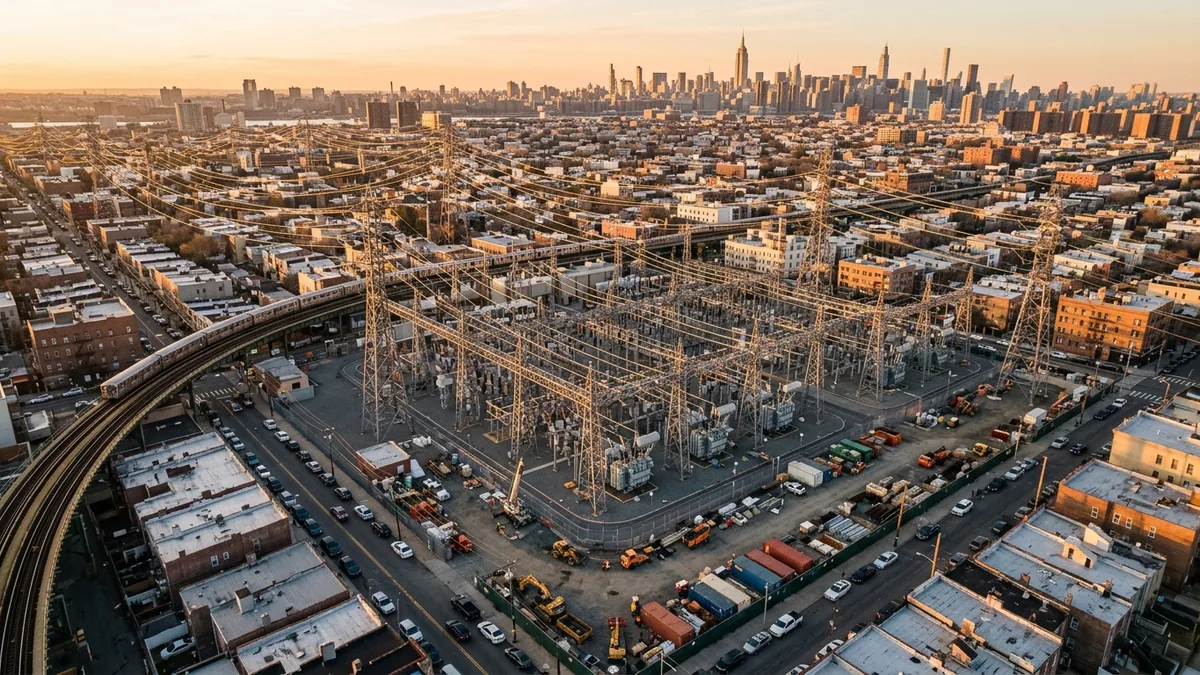
Con Edison’s two electric utilities are driving the bulk of the commitment. According to Utility Dive, Consolidated Edison Co. of New York, known as CECONY, outlined roughly $27.2 billion in capital spending between 2026 and 2030 in a first-quarter earnings presentation released May 7. CECONY serves the five boroughs of New York City and Westchester County. Orange & Rockland Utilities, which covers parts of the western Hudson Valley, is planning approximately $2.3 billion over the same period.
The broader Consolidated Edison Inc. enterprise, including investments in gas and steam infrastructure, is targeting roughly $38 billion in total capital spending through 2030, a figure the company says remained relatively unchanged from the prior quarter.
Notably, the demand story here differs from most large utility capital programs across the country. Utility Dive reports that data centers, which are fueling grid investment at utilities from Texas to Virginia, are not a primary factor in Con Edison’s territory. Instead, building electrification and transportation electrification are the main demand drivers. Con Edison Chairman and CEO Tim Cawley said in a statement that “electrification of heating and transportation is accelerating at an unprecedented pace, driven by years of state and local policy that have been reinforced by strong customer preference and sustained economic growth in our region.”
The capital plan includes 22 new substations planned across CECONY and O&R territory through 2034, according to the company’s first-quarter investor presentation.
First-quarter sales results showed a mixed picture between the two utilities. CECONY reported weather-adjusted electricity sales down 0.1% compared to the first quarter of 2025, while O&R saw weather-adjusted sales rise 1.9% year over year. CECONY also reported a $29 million increase in fuel costs for the quarter, attributed to higher unit costs and higher purchased volumes from the company’s electric generating facilities.
Analysis
A $29 billion, five-year capital program at a single utility is not a routine budget cycle. For context, this kind of sustained commitment requires continuous procurement, design, permitting, and construction activity across a densely populated metro region where logistical complexity is high and project timelines are long.
What makes this program particularly significant for the field services market is the nature of the work. Substations and underground grid upgrades in New York City are not straightforward civil projects. Working in the five boroughs means coordinating with multiple city agencies, dealing with congested underground infrastructure, and operating under strict safety and environmental requirements. Subcontractors who have relevant experience in urban underground electrical work, or who can demonstrate that capability, are in a strong position if they are already in or near the Con Edison procurement ecosystem.
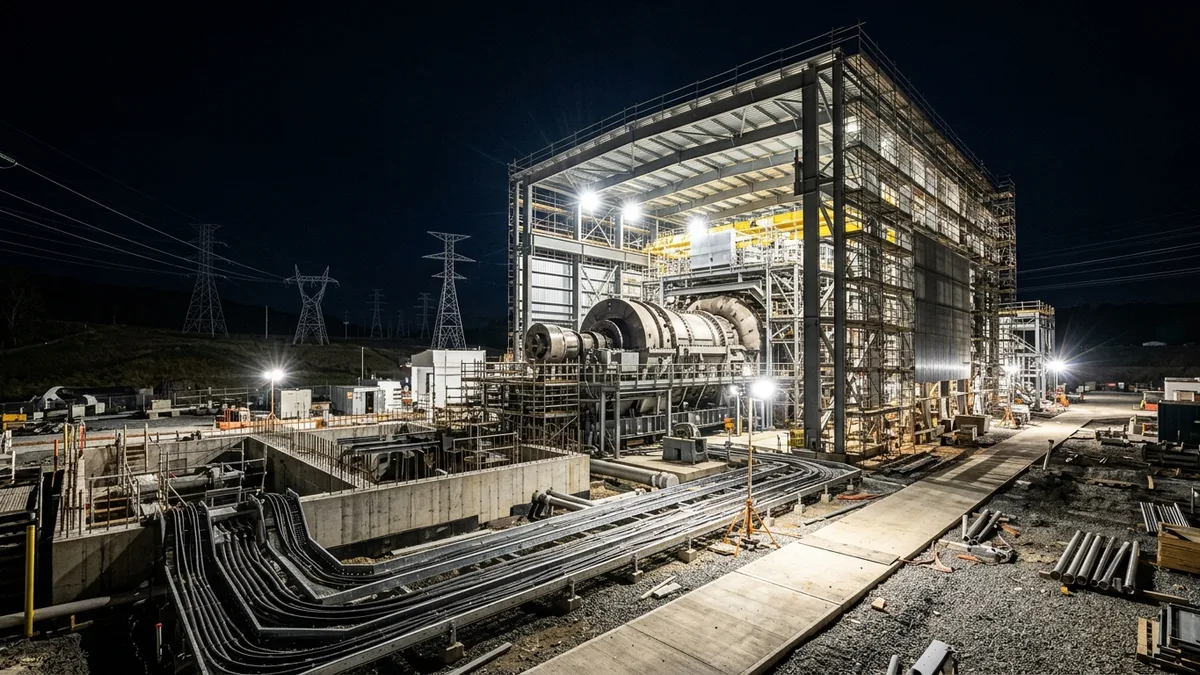
The 22 new substations planned through 2034 represent a concrete, multi-year construction pipeline. Substation work typically involves civil foundations, structural steel, high-voltage electrical installation, protective relay systems, and site work. That range of scope creates opportunities across multiple trade disciplines, not just for large prime contractors but for specialized subcontractors in civil, electrical, and protective systems.
The demand driver also matters strategically. Because this program is being pushed by policy-backed building and transportation electrification rather than data center load growth, it is somewhat insulated from the kind of corporate capital allocation shifts that can delay data center-driven utility projects. State and local mandates in New York have long timelines built into them, which means Con Edison’s investment rationale is more durable than a program tied to a single commercial customer segment.
That said, the dense regulatory environment in New York means execution timelines can stretch. Subcontractors need to be prepared for permitting delays, union labor requirements, and coordination complexity that don’t apply in most other markets.
What It Means for Subcontractors
- Get into the procurement pipeline early. A program of this scale requires Con Edison to qualify vendors and subcontractors well in advance of construction starts. If you are not already on their approved vendor lists, start that process now.
- Substation construction is the headline scope. With 22 substations planned through 2034, civil, structural, and high-voltage electrical subcontractors should be identifying which prime contractors are likely to pursue these projects and building those relationships.
- Underground electrical experience is a differentiator. New York City grid work is almost entirely underground. Subcontractors with urban underground cable and conduit experience will have a competitive edge over those whose work is primarily overhead or in less congested environments.
- Understand the labor landscape. New York City construction operates under strong union agreements. Subcontractors from other markets entering this territory need to understand prevailing wage requirements and union jurisdictions before bidding.
- The demand is policy-driven, which means it’s durable. Unlike demand spikes tied to a single corporate tenant or commodity cycle, building and transportation electrification mandates in New York have long legislative horizons. This is not a boom-bust opportunity; it is a sustained pipeline worth building capability around.
- Track O&R separately. The $2.3 billion Orange & Rockland program covers Rockland and Orange counties in the Hudson Valley, a less congested market that may offer more accessible entry points for subcontractors not yet working in New York City proper.