Citing Trump, GOP Regulators Reject Gas Plant for Amazon Data Center
The North Carolina Utilities Commission denied Duke Energy’s request to build a $584 million natural gas turbine near Hamlet, saying the utility had not shown the project is needed or adequately explained how customers would be protected from its costs, according to WRAL and Politico.
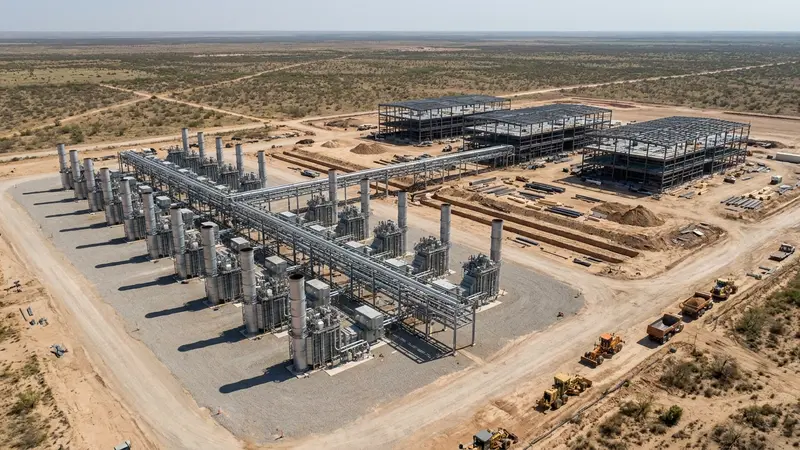
The GOP-controlled commission’s decision blocks, for now, the proposed expansion of Duke’s Sherwood H. Smith Energy Complex, which sits next to the site of Amazon’s planned $10 billion, 21-building data center campus in Richmond County. The commission did not find that the 250-megawatt turbine would serve Amazon specifically, but Republican commissioners cited President Trump’s Ratepayer Protection Pledge in questioning who would ultimately pay for the peaker plant.
Regulators said Duke can reapply, but must provide more evidence on its electricity demand forecast, the project’s costs, how much of the anticipated load is tied to data centers, and whether cheaper alternatives could meet the same need. The Public Staff, which represents ratepayers in utility proceedings, had recommended approval despite calling the price tag “staggering.” One commissioner dissented from the denial, warning the turbine is needed to keep the grid reliable as demand grows.
Duke spokesperson Craig Wilson said the utility was disappointed and would assess next steps, maintaining the project was part of a “least-cost path” to reliable service. Amazon did not respond to a request for comment. In the meantime, Amazon has secured state environmental permits to run 57 temporary diesel generators for up to a year while the data center connects to the grid, drawing opposition from Richmond County residents already living near other industrial air pollution sources.
Environmental Defense Fund’s North Carolina policy director called the denial rare, noting he had never seen the commission use such strong language about avoiding a stranded asset. The commission is separately developing a large-load tariff that would directly assign data centers’ energy costs to the operators rather than spreading them across the ratepayer base.
What It Means for Subcontractors
The denial is a reminder that hyperscale data center buildouts don’t guarantee downstream power-generation construction work follows automatically. Contractors bidding gas-fired peaker or turbine projects tied to data center campuses should watch for state utility commissions increasingly scrutinizing cost allocation before approving new generation, and should factor refiling delays into project timelines. Firms working data center interconnection and temporary generator installation, as Amazon’s 57-unit diesel fleet in Richmond County shows, may see near-term demand even when permanent generation is stalled.