Carney and Smith Set Fall 2027 Pipeline Target, Seal Carbon Price Deal
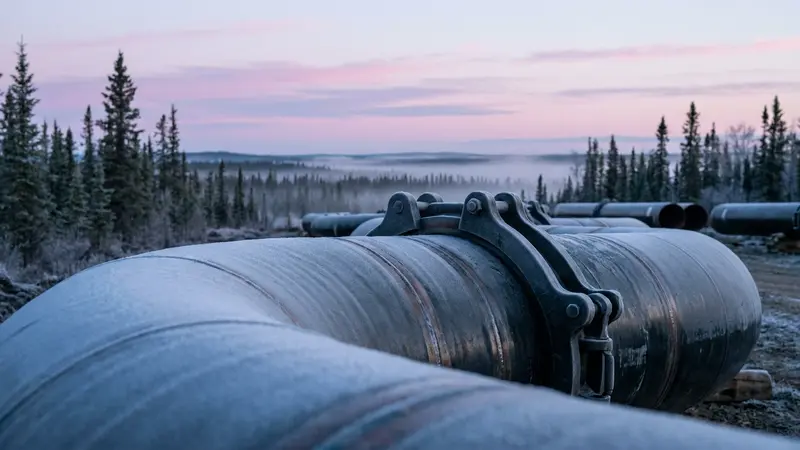
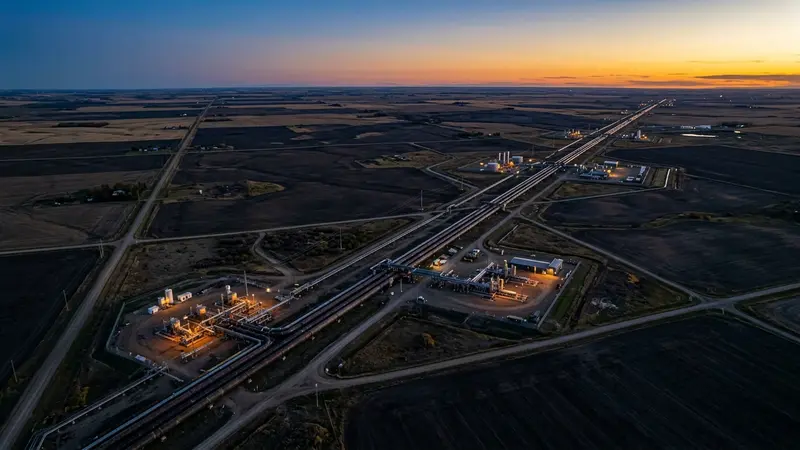
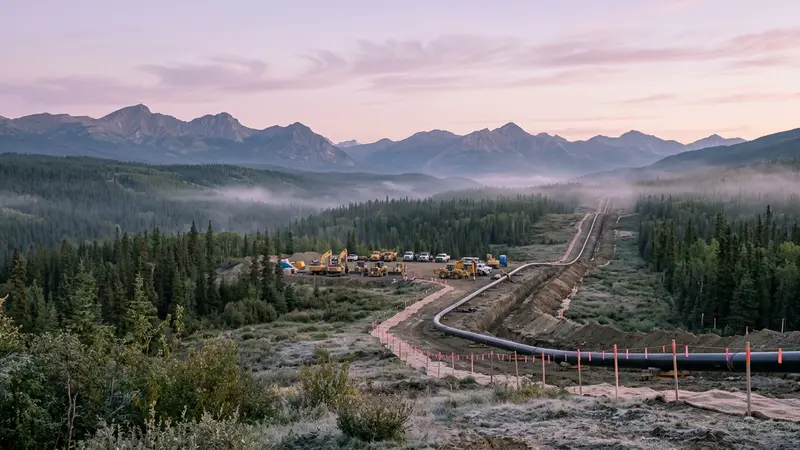
According to a Canadian Press report via Daily Commercial News, Prime Minister Mark Carney and Alberta Premier Danielle Smith met in Calgary on May 16 and signed a landmark energy deal that sets a fall 2027 target for the start of construction on a new bitumen pipeline to the West Coast. The agreement also establishes a new carbon emissions pricing framework for Alberta and commits Ottawa to declare the pipeline a project of national interest by October of this year.
For subcontractors and field service companies operating in Western Canada, this is the most consequential political signal in years. But the gap between a political handshake and a pipeline construction contract is wide, and it’s worth separating what’s real from what’s still aspirational.
Background
According to the Canadian Press report, the agreement includes a revised industrial carbon pricing structure for Alberta. The headline carbon price, currently sitting at $95 per tonne, would rise to $140 per tonne by 2040. The effective price, which reflects what carbon credits actually trade for on the market, would rise to $130 per tonne over the same period.
Carney committed to declaring the pipeline to be in the national interest by October 2026, but he was explicit that the pipeline’s future depends on the Pathways carbon-capture project in Alberta getting built first. That project is backed by the Oil Sands Alliance, a consortium of major oil sands producers, and Carney said the next step is reaching a mutual agreement with that group. First Nations consultation is also required, and both leaders acknowledged ongoing engagement with British Columbia, whose premier David Eby publicly criticized the deal. Eby said Carney is “rewarding bad behaviour” and argued that projects shouldn’t be prioritized based on threats of provincial separation.
The report also notes that no private company has come forward or been announced to build and own the pipeline, which is a significant detail that tends to get buried in the political headlines.
Analysis
The optics here are big. A sitting prime minister and a premier who has been one of Ottawa’s sharpest critics standing together in Calgary, signed document in hand, talking about fall 2027 construction timelines, is not nothing. The political will to advance this project is clearly stronger than it has been in a long time.
But the dependencies are real and they are stacked. The pipeline doesn’t move without the Pathways carbon-capture project, which doesn’t move without a deal with the Oil Sands Alliance. The pipeline doesn’t move without First Nations consultation, which takes time and cannot be shortcut without legal consequences. And the pipeline doesn’t move without some degree of accommodation from British Columbia, whose premier is currently on record calling the whole arrangement a bad-faith reward for political brinkmanship.
Then there’s the ownership question. No company has signed up to build or own this pipeline. That’s not a minor footnote. The financing, permitting, and engineering work that precedes construction all flow from a committed project owner. Until that piece is in place, the fall 2027 construction timeline is a political target, not a project schedule.
That said, the carbon pricing framework is more concrete and more immediately relevant to oil sands operators and the service companies that support them. A phased rise to $140 per tonne headline price by 2040 gives operators something to model against, and it keeps Alberta inside a federal framework rather than pushing the province further into conflict with Ottawa. For energy service subcontractors, regulatory stability in Alberta is worth more than it sometimes gets credit for. A prolonged Ottawa-Edmonton standoff creates bidding uncertainty, stalls major capital programs, and freezes discretionary maintenance and expansion work. This deal at least reduces that noise.
The commitment to facilitate renewable energy investment and form a working group on a net-zero electricity grid by 2050 also signals future civil and electrical work, though timelines on that front remain vague.
What It Means for Subcontractors
- Don’t book crews yet. A fall 2027 construction start is a political ambition, not a confirmed project schedule. Multiple unresolved conditions remain, including no confirmed pipeline owner. Monitor for announcements from the Oil Sands Alliance and watch for federal project declarations before adjusting capacity plans.
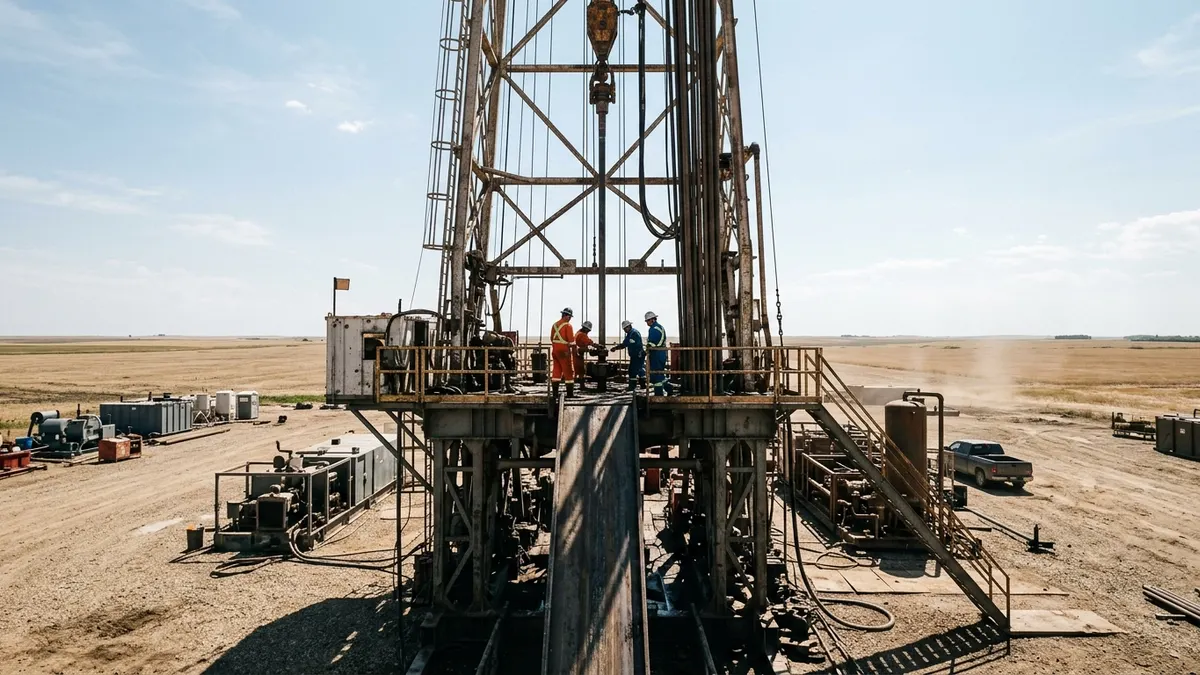
- Carbon pricing clarity is an upside. A known pricing trajectory through 2040 gives oil sands operators more confidence to commit to long-term capital programs. That flows downstream to service and maintenance contracts in the Fort McMurray and Cold Lake corridors.
- Pathways is the real leading indicator. If the carbon-capture project advances toward a final investment decision, that’s your actual signal that the pipeline program is moving. Track Oil Sands Alliance announcements closely.
- Indigenous partnership is not optional. Carney was direct that Indigenous consultation and co-ownership opportunities are central to this project’s path forward. Subcontractors who have established Indigenous partnership structures will be better positioned for procurement on any pipeline work that does materialize.
- BC opposition is a real risk factor. Premier Eby’s public criticism isn’t just noise. Pipeline access to tidewater through BC has been a project-killer before. Watch for BC’s formal position as the national interest declaration process moves forward this fall.
- Prepare for a long runway. Even in an optimistic scenario, major subcontract packages for a new pipeline wouldn’t reach the market until late 2026 at the earliest. Use this period to get prequalified with the major pipeline contractors and EPC firms likely to be involved.