Arctic Refuge Lease Sale Draws Only Two Bidders as Major Operators Stay Away
According to a Bloomberg report via World Oil, only two bidders participated in the Trump administration’s auction for oil and gas drilling leases in Alaska’s Arctic National Wildlife Refuge (ANWR), with major oil companies once again sitting out the sale.
A Thin Turnout for a High-Profile Auction
The Alaska Industrial Development and Export Authority, a state agency, and Anchorage-based Hex Energy were the only entrants in the auction for nearly 690,000 acres of drilling rights. Together, the two organizations purchased leases on five tracts. The Interior Department sale was the first in the refuge since the Biden administration’s drilling restrictions were lifted, and the first of four lease sales mandated under President Trump’s One Big Beautiful Bill Act, which requires at least four auctions in the area by 2035.
The outcome mirrors the pattern from previous ANWR sales. A January 2021 auction drew bids from just two oil developers and Alaska’s state development company. A January 2025 sale under Biden produced zero bids, though industry representatives argued that restrictive lease terms were to blame for the lack of interest.
The political risk factor looms large for investors. “Production will be challenging, and the prospect that permits will be canceled as soon as a new administration takes over is likely,” said Ellen Wald, senior fellow at the Atlantic Council Global Energy Center and president of Transversal Consulting. By contrast, a March lease sale in the National Petroleum Reserve in Alaska drew a record $163 million in bids from established operators including ConocoPhillips and ExxonMobil.
What It Means for Subcontractors
- Don’t plan on ANWR work near-term. With only two small-scale bidders securing just five tracts, there is no near-term drilling program on the horizon that would generate meaningful demand for drilling crews, logistics contractors, or support services in the refuge.
- Political cycle risk is real. Wald’s warning about permit cancellations under future administrations is a direct concern for any subcontractor considering mobilizing equipment or locking up personnel for long-lead Arctic projects. Contract terms and force majeure clauses deserve extra scrutiny in politically sensitive acreage.
- Watch the NPR-A instead. The National Petroleum Reserve in Alaska is where the actual activity is. That March sale drew $163 million in competitive bids from major operators, which signals real project pipelines and stronger demand for field services in the near term.
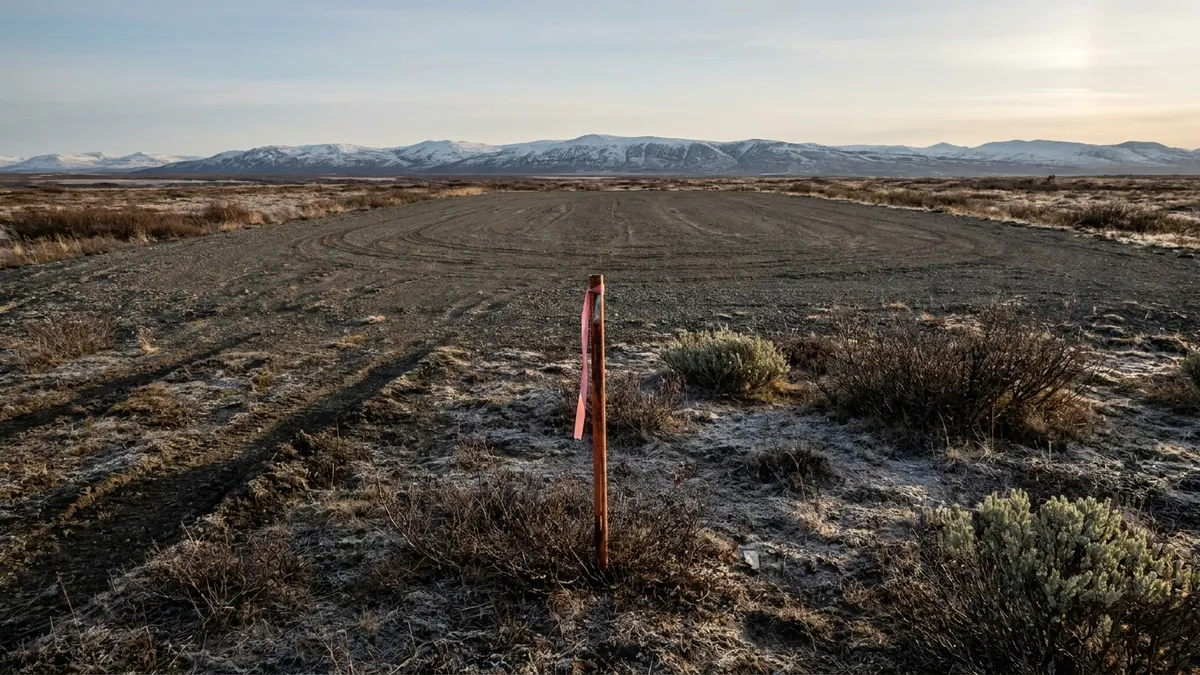
- Logistics and infrastructure costs remain a barrier. ANWR’s remote frozen tundra location presents severe logistical challenges that compound the political uncertainty, meaning mobilization costs for subcontractors would be high relative to the uncertain revenue opportunity.