Aging Concrete in US Process Facilities Signals Growing Repair Demand for Field Services
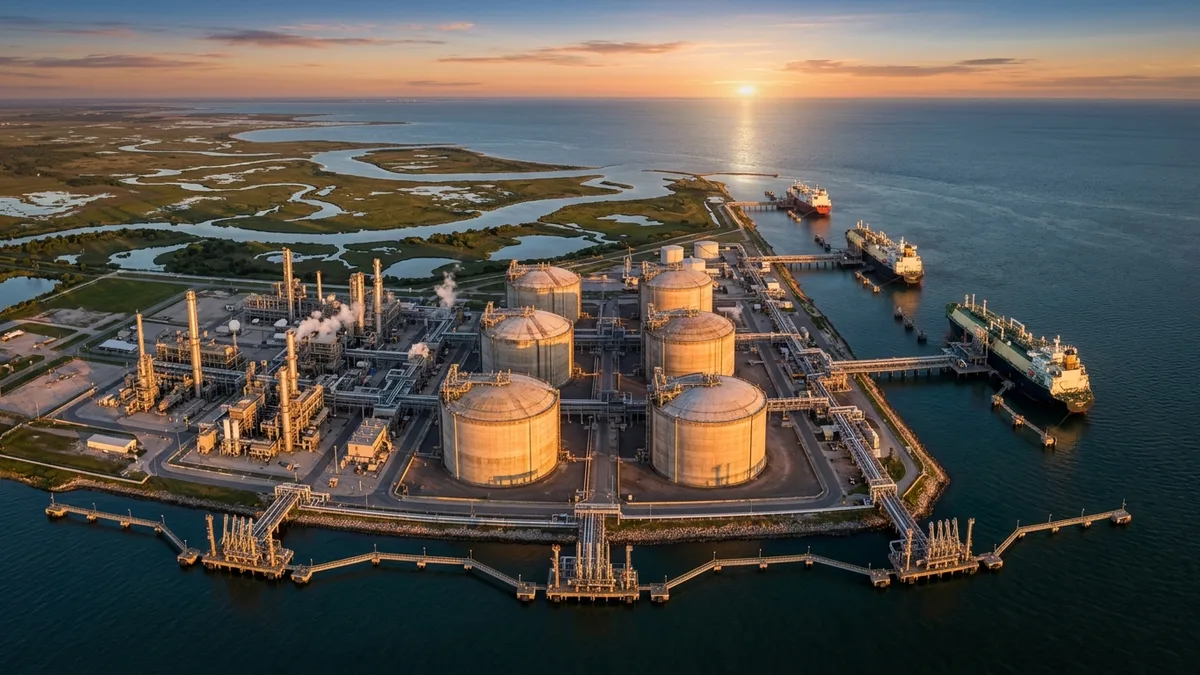
According to Inspectioneering Journal, a significant share of the core civil infrastructure at US refining, gas, and chemical facilities was built between the 1940s and 1980s, meaning those structures are now 60 to 80 years old and increasingly due for condition assessment and repair.
Aging Infrastructure, Growing Workload
The March/April 2026 issue of Inspectioneering Journal features an article by Katelyn Low, PE, and Kurt Tyler, PE, both structural engineering consultants at Wiss, Janney, Elstner Associates, addressing deterioration of reinforced concrete structures in process facilities. While the facilities themselves have seen periodic upgrades and expansions over the decades, the underlying civil infrastructure has largely aged in place.
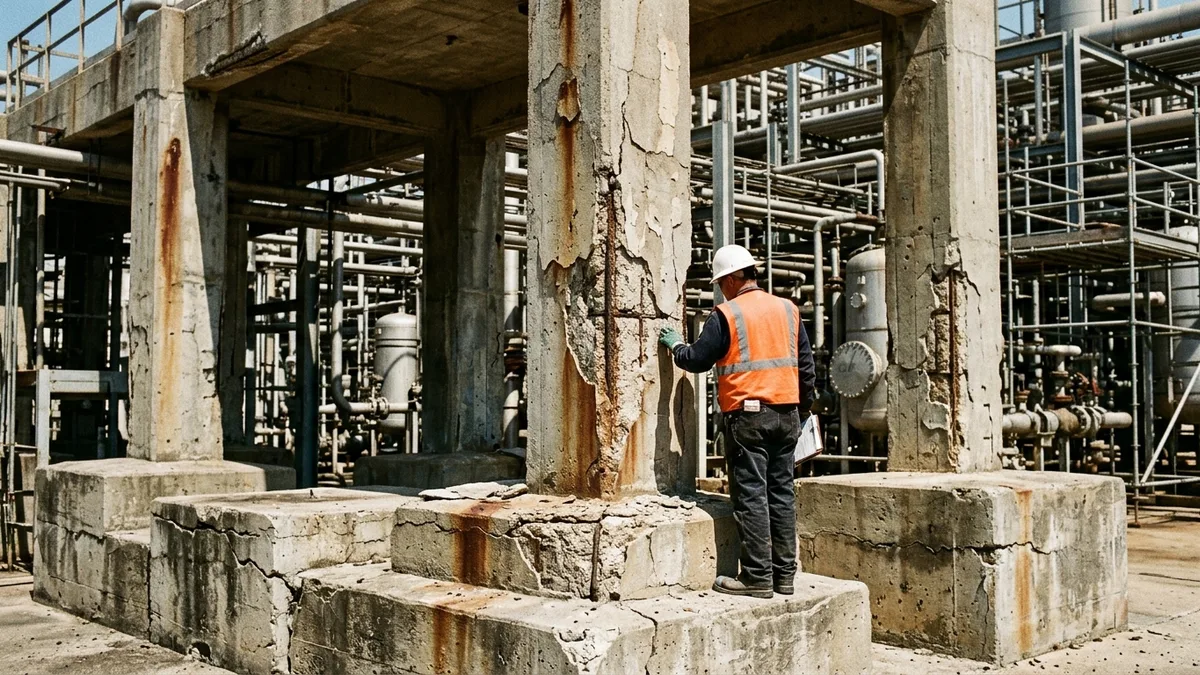
The authors identify corrosion as a primary deterioration mechanism, affecting both structural steel and the reinforcing steel embedded in concrete. In concrete specifically, corrosion of rebar can cause cracking, delamination, and spalling, all of which reduce structural capacity over time. The article notes that civil infrastructure repairs are costly, disruptive, and complicated by the need to keep supported mechanical assets operational. A range of non-destructive testing methods is highlighted as key to understanding current conditions and planning life-extension strategies.
What It Means for Subcontractors
- Refineries and chemical plants across the US are sitting on decades-old concrete infrastructure, and the assessment and repair cycle is accelerating. Subcontractors with concrete repair, NDT, or structural rehabilitation capabilities should expect increased inquiry from these facilities.
- Operators are prioritizing approaches that minimize disruption to live processes. Field crews that can work around operating equipment and demonstrate familiarity with process facility constraints will have a competitive edge.
- Understanding the difference between cosmetic surface damage and structural deterioration, including spalling, delamination, and rebar section loss, will be important for subcontractors pricing scope and managing liability on these jobs.
- Facilities that have deferred civil infrastructure maintenance may face compressed timelines once inspections identify critical deficiencies. Subs that can mobilize quickly and carry relevant certifications will be well positioned.