$4.4B Brent Spence Bridge Enters Active Construction Phase in 2026
According to Equipment World, Ohio and Kentucky officials have cleared the final hurdle for the $4.4 billion Brent Spence Bridge Corridor project, with the Ohio Controlling Board authorizing final construction plans and work set to begin this spring.
A Megaproject That Kept Growing
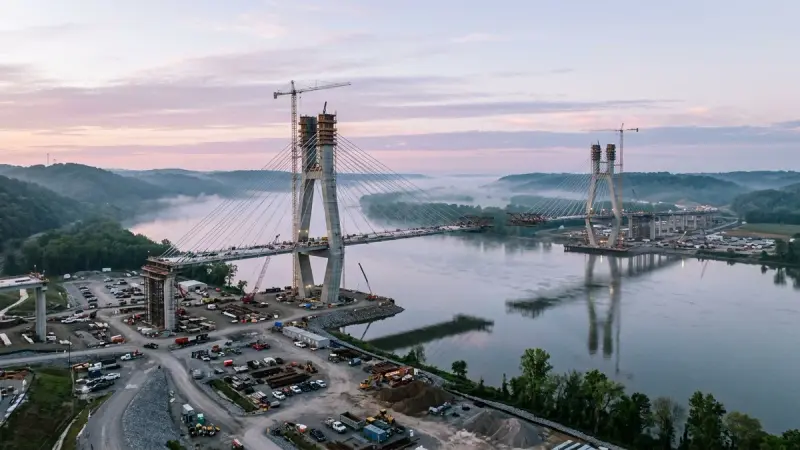
The project’s price tag has climbed significantly, up from $3.6 billion in mid-2025 to $4.4 billion today, with construction alone priced at $4.05 billion. Both states will split costs 50/50. The new span will be a cable-stayed, bi-level, independent-deck bridge built west of the existing 60-year-old truss bridge, which currently carries Interstates 71 and 75 and is handling double its original design capacity of 80,000 vehicles per day.
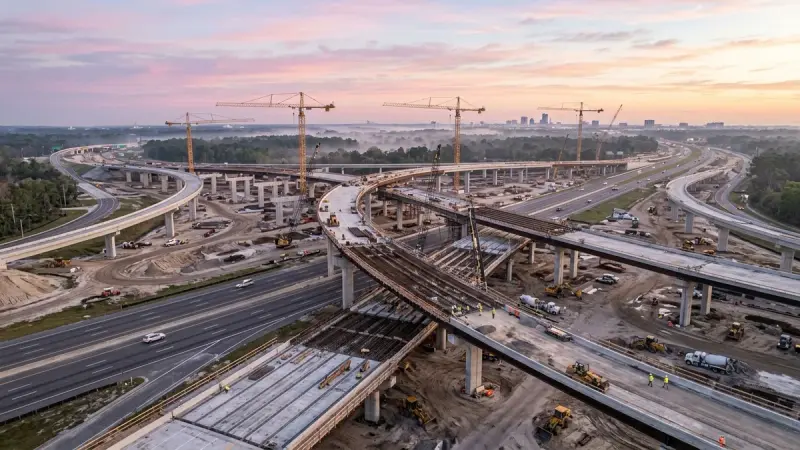
Walsh Kokosing, a joint venture of Walsh Group, Kokosing, and AECOM, holds the prime contract for the full corridor project, which covers eight miles of I-71/I-75 improvements including ramp reconfigurations, pedestrian and bike paths, and upgrades to the existing bridge.
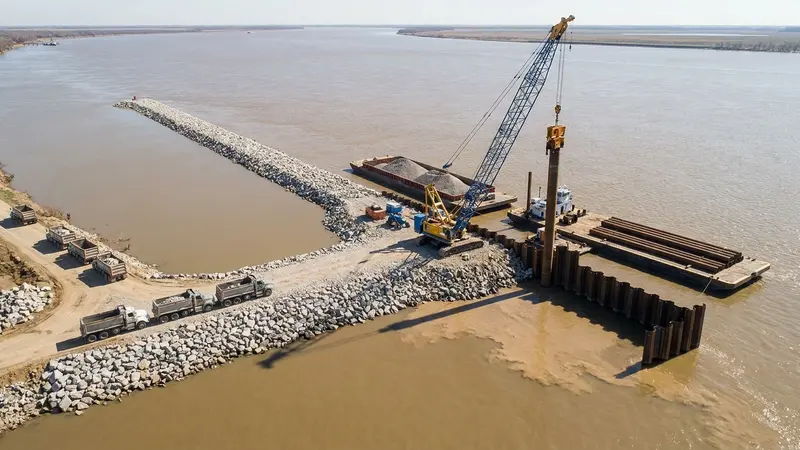
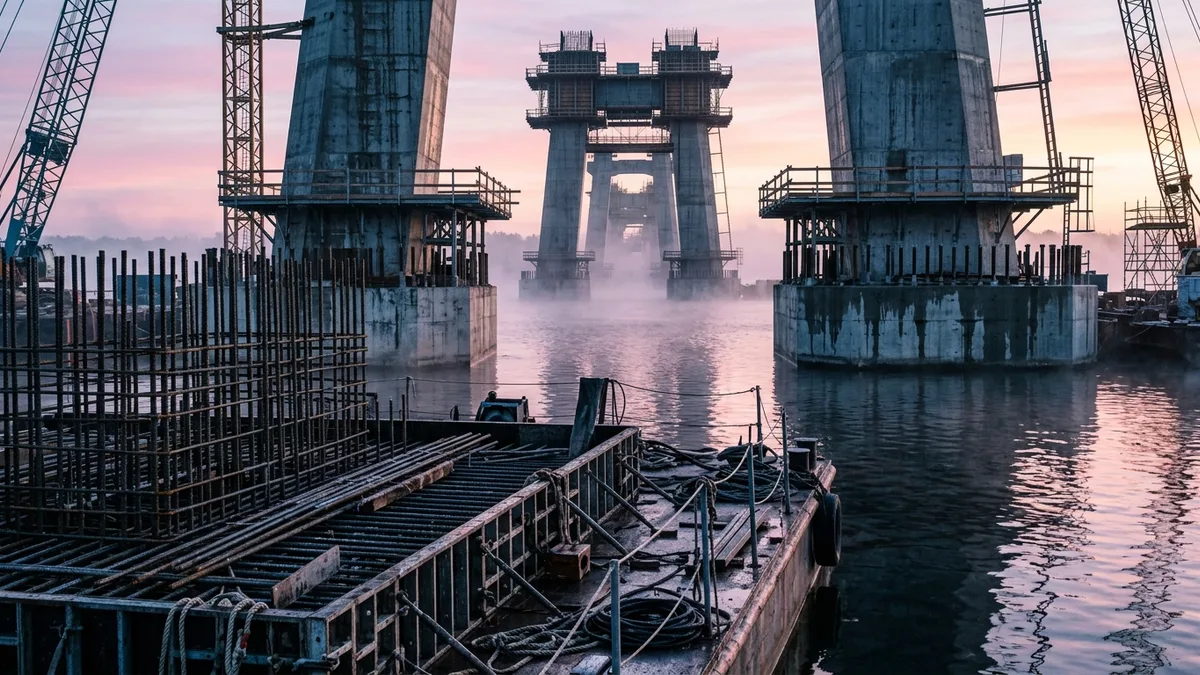
This year’s construction scope focuses on approach work, barge and crane operations to build bridge foundations and pylons, and continued utility relocation above and below ground.
What It Means for Subcontractors
- Marine and heavy civil contractors should be tracking this project now. Barge-based foundation and pylon work is actively mobilizing, and that tier of work flows through the Walsh Kokosing joint venture.
- Utility contractors still have active scope. Overhead and underground utility relocation is ongoing, which often runs as a separate subcontract package from the main bridge work.
- Equipment-intensive firms with cranes, barges, or drill rigs should be positioning for lower-tier subcontract opportunities. Projects of this scale typically have multiple tiers of specialty subs below the prime.
- Plan for a long run. The corridor scope covers eight miles and multiple structures. Subcontractors who get established on early packages are better positioned for follow-on work as the project progresses through its later phases.