Where Western Canadian Crude Travels and Why Pipeline Routes Matter for Field Workers
According to RBN Energy, Western Canadian crude production moves to market through multiple pipeline corridors and export routes, with ongoing shifts in capacity and destination markets shaping where barrels flow and which infrastructure carries the load.
Market Context
Western Canada, centered on Alberta’s oil sands and conventional plays, produces roughly 4 to 5 million barrels per day. For years, the region was effectively landlocked, dependent on US refinery demand and a handful of pipelines heading south and east. That picture has changed. The Trans Mountain Expansion (TMX), which came online in 2024, added roughly 590,000 barrels of oil equivalent per day of capacity to the BC coast, opening Pacific Rim export markets for the first time at meaningful scale. Enbridge’s mainline system still moves the largest share of barrels into the US Midwest, while the Flanagan South and Seaway pipelines push volumes further to Gulf Coast refineries.
Rail continues to serve as a swing option when pipeline capacity tightens, particularly during periods of high production or apportionment on the mainline system.
What It Means for Subcontractors
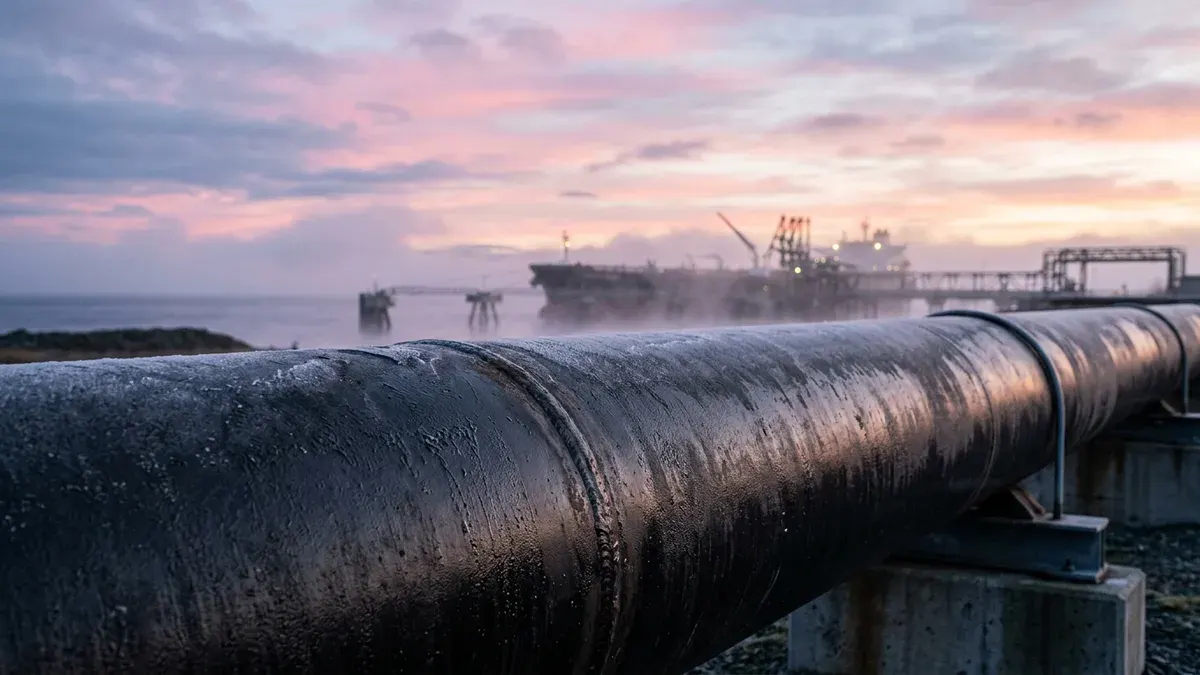
- TMX is generating work on the BC coast. Terminal expansions at Westridge Marine Terminal in Burnaby and associated tankage and marine infrastructure projects are creating inspection, maintenance, and operations contracts.
- Pipeline integrity and maintenance spending follows volume. Higher throughput on the Enbridge mainline and TMX means more inspection cycles, valve maintenance, and right-of-way work. Companies with pipeline integrity crews should track apportionment trends as a demand signal.
- Alberta production growth supports upstream field services. As long as export routes remain open and prices hold, producers have incentive to grow output, sustaining demand for wellsite services, fluid hauling, and facility maintenance across Western Canadian basins.
- Rail swings create short-cycle contract opportunities. When pipeline apportionment tightens, crude-by-rail activity picks up quickly. Transloading terminals and rail yard maintenance crews can see fast demand spikes with limited lead time.
- Know your customer’s export exposure. Producers with heavy reliance on a single export corridor carry more price and logistics risk. Subcontractors working for those operators should factor that into payment terms and contract length negotiations.