West Texas Land Prices Surge as AI Data Centers Chase Wind Power
West Texas ranchland that sold for pennies an acre during the 2000s wind boom is now trading on data center speculation, and the numbers are moving fast enough to reshape the region’s construction pipeline, OilPrice.com reports in an analysis by Michael Kern.
Background
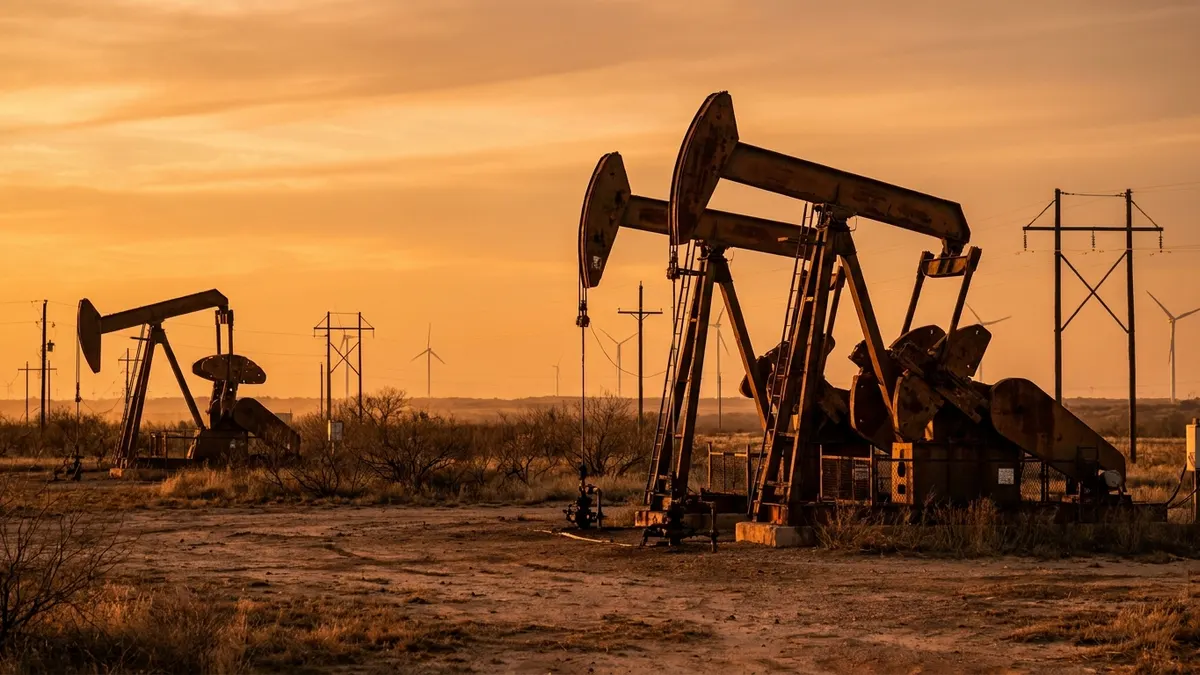
The corridor between Abilene and the Taylor and Nolan county line has been power-rich for two decades. Horse Hollow, once the largest wind farm on earth, put 421 turbines across roughly 47,000 acres of grazing land starting in 2006, and ranch families kept running cattle underneath the blades while collecting lease checks. That arrangement held through most of the 2010s, with land valued for grazing, not power.
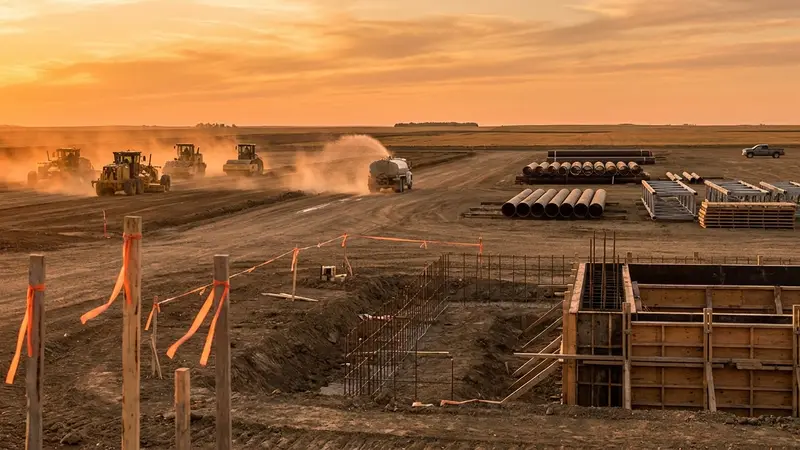
That changed once AI developers showed up looking for the same thing wind developers wanted twenty years ago: cheap land already tied to transmission. OpenAI, Oracle and SoftBank built the flagship site of their $500 billion Stargate buildout on the edge of Abilene, on ground that was mesquite shrubland six years ago, according to OilPrice.com. Microsoft broke ground on a neighboring campus. Combined, the two projects are expected to draw roughly 2.1 gigawatts, more than most American cities pull at peak.
The price data backs up the shift. Recent bitcoin-to-data-center land conversions in the region closed as low as $2,200 an acre, per OilPrice.com’s reporting. Statewide rural land more than doubled between 2020 and 2025 on pandemic migration alone, but 2025 stacked something new on top of that: the Texas Real Estate Research Center specifically tied Taylor and Jones county pricing to data center demand, and Region 3, the broader West Texas market including Abilene, posted the sharpest year-over-year price jump of any region in the state. Large tracts hit $2,787 an acre in the third quarter of 2025, up 15.8% year over year. Small tracts hit $8,330 by the fourth quarter, up 8.5%. Taylor County’s median asking price in 2026 reached $10,825 an acre, more than double the statewide rural average.
Analysis
The mechanics here matter more than the headline number. Texas has 140 planned data center projects representing more than 75,000 additional megawatts on top of roughly 6,300 megawatts already running, and the interconnection queue sits at 410 gigawatts. That is the pipeline the current land prices are betting on. But OilPrice.com’s reporting flags real cracks in that bet: OpenAI already walked back a planned 600-megawatt expansion at the Abilene site, Vistra’s chief strategy officer told regulators there’s no way anywhere close to the queued capacity gets built in Texas, and industry estimates elsewhere put the national no-show rate for proposed data centers as high as 80 to 90 percent.
There’s also a grid-reliability wrinkle worth flagging for anyone pricing long-term work off this boom. Texas currently curtails 22% of its renewable power, but that curtailment is seasonal and intermittent, and Senate Bill 6 gives ERCOT the legal authority to curtail large data centers right back during grid emergencies. That’s a two-way valve, not a one-way subsidy, and it means the “cheap power” pitch landowners are marketing isn’t guaranteed to hold up on the operator’s side either.
None of this means the corridor is a bust in waiting. Land priced on paid-down power lines and two decades of wind infrastructure is a different animal than land priced purely on speculation. But the piece is right to draw the comparison to the mid-1980s oil bust: land priced for a boom is only worth that price once the boom shows up in built megawatts, not interconnection requests.
What It Means for Subcontractors
- Civil and grading crews working the Abilene-Taylor-Nolan corridor should expect near-term site-prep demand tied to confirmed builds like Stargate and the Microsoft campus, but should price change orders and mobilization contracts assuming some percentage of the 140 announced Texas projects and the 410-gigawatt queue never breaks ground.
- Electrical and substation contractors bidding interconnection work should confirm which projects have signed power purchase agreements and firm ERCOT interconnection approval, not just announced megawatt targets, given that Vistra’s own strategy officer has publicly doubted the queued capacity gets built.
- HDD and transmission-line crews working wind-to-data-center power routing in Taylor and Jones counties should factor Senate Bill 6’s curtailment authority into scheduling assumptions, since ERCOT can curtail large data center loads during grid emergencies, which affects uptime guarantees tied to construction milestones.
- Land brokers, surveyors and title contractors working ranch-to-industrial conversions in Region 3 should benchmark deals against the TRERC comparables cited in this report, roughly $2,787 an acre for large tracts and $8,330 for small tracts as of late 2025, rather than the $10,825 median asking price now being marketed in Taylor County listings.
- Subcontractors negotiating multi-year site work in this corridor should build in contract language tied to milestone-based megawatt delivery rather than announcement dates, given the gap OilPrice.com identifies between interconnection requests and completed capacity.