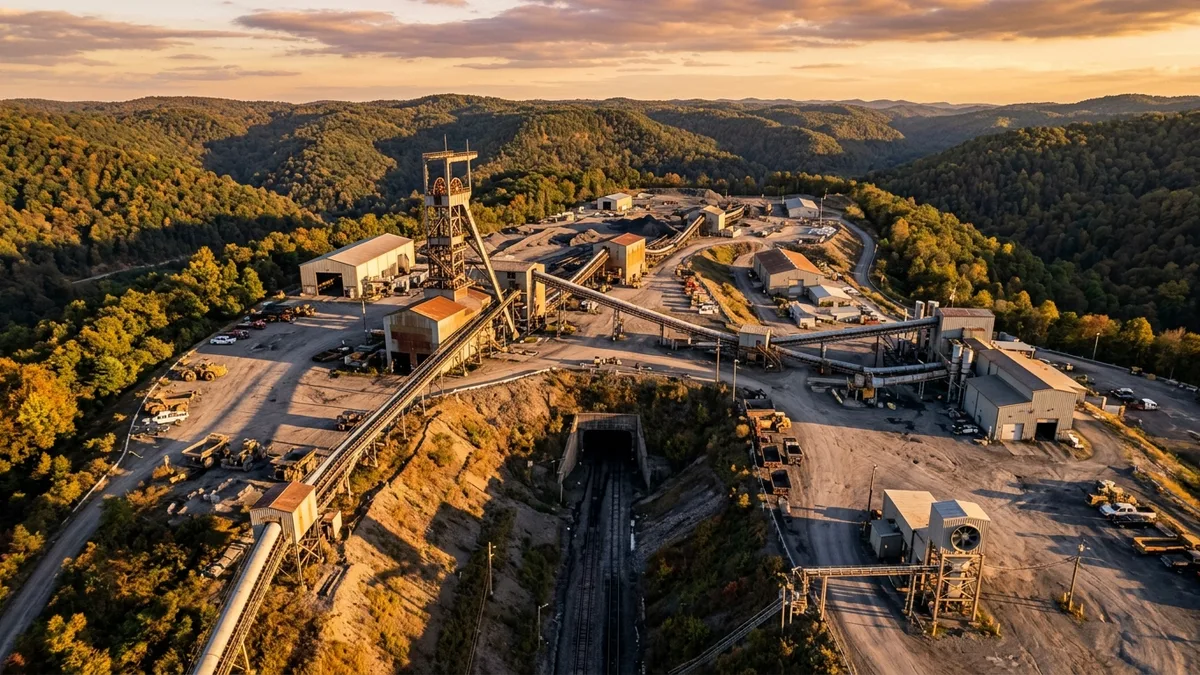
Two Fatal Collapses at Violation-Heavy West Virginia Mines Signal Compounding Liability Risk
According to ISHN, two West Virginia coal miners died in separate incidents within 24 hours of each other during the first week of April 2026, marking the state’s first mining fatalities of the year. Both accidents occurred at facilities carrying significant records of documented safety violations.
The Incidents and the Violation Histories Behind Them
On April 2, 2026, Aaron Warrix, 53, a shuttle car operator at the Panther Eagle Horse Creek Mine in Raleigh County, was killed by a “fall of roof,” the industry term for a fatality caused by falling rock. Less than 24 hours later, on April 3, Darin Reece, a Continuous Miner Section Supervisor at the Ohio County Mine near Dallas in Marshall County, was killed after being crushed between two pieces of underground mining equipment.
What makes both deaths particularly significant from a regulatory standpoint is the violation histories attached to each site. According to ISHN, the Panther Eagle Horse Creek Mine received 50 Mine Safety and Health Administration (MSHA) citations for health and safety violations in early 2026 alone. Of those, 23 citations issued since June 2025 were specifically tied to roof control plans and protections designed to prevent injuries from falling rock, the exact hazard that killed Warrix. The Ohio County Mine received 29 health and safety citations since the start of 2026. Federal and state authorities, including MSHA and the West Virginia Office of Miners’ Health, Safety, and Training, are investigating both incidents.
What It Means for Subcontractors
Field service companies working in or around mining sites, heavy excavation, or underground operations face real exposure when a site’s violation history intersects with an incident on their watch. These two cases illustrate how documented, unresolved violations can define the narrative, and the liability, after a fatality.
- Know the site’s MSHA record before you send workers in. MSHA citation data is publicly accessible. If a client site is carrying dozens of open violations, especially for hazards directly relevant to your scope of work, that’s a material risk factor your safety team needs to document and address before mobilization.
- Falling rock and struck-by hazards are not just mining problems. Any contractor working near underground operations, excavations, or overhead loads faces similar hazard categories. Make sure your job hazard analyses specifically address these exposures in writing.
- Unresolved violations compound your liability. When a fatality occurs at a site with a long violation history, investigators and attorneys will look at who knew what and when. If you were on site and aware of citations related to the hazard that caused harm, your company’s exposure increases significantly. Document your own compliance independently, regardless of what the primary operator has done.
- Confirm investigation status before resuming work. Both incidents are under active federal and state investigation. Contractors operating at sites under MSHA investigation should consult legal counsel and ensure their own recordkeeping is complete and current.