Thermal Hotspot Control Moves to the Forefront of High-Temperature Equipment Integrity
According to Inspectioneering Journal, engineers at Saudi Basic Industries Corporation (SABIC) have published new technical guidance on managing asset integrity in high-temperature, refractory-lined equipment through thermal hotspot control, appearing in the publication’s January/February 2026 issue.
Why Hotspots Matter in Refinery and Petrochemical Work
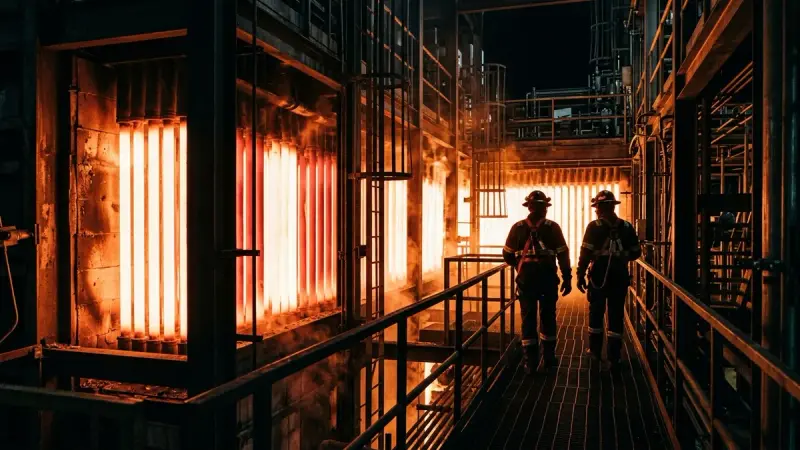
Thermal hotspots, overheated zones that develop when refractory lining fails or degrades, are among the most common and costly failure modes in fired heaters, furnaces, reformers, reactors, and related equipment. These assets operate under punishing conditions, with temperatures ranging from 482°F on the low end to over 3,500°F in some applications, and pressures reaching 1,160 psi. The authors, Chief Engineers Manabendra Maity and Abdulaziz Al-Meshari, focus on equipment that sits at the core of oil refining, petrochemical, and fertilizer operations, the kind of assets where unplanned downtime carries seven-figure consequences.
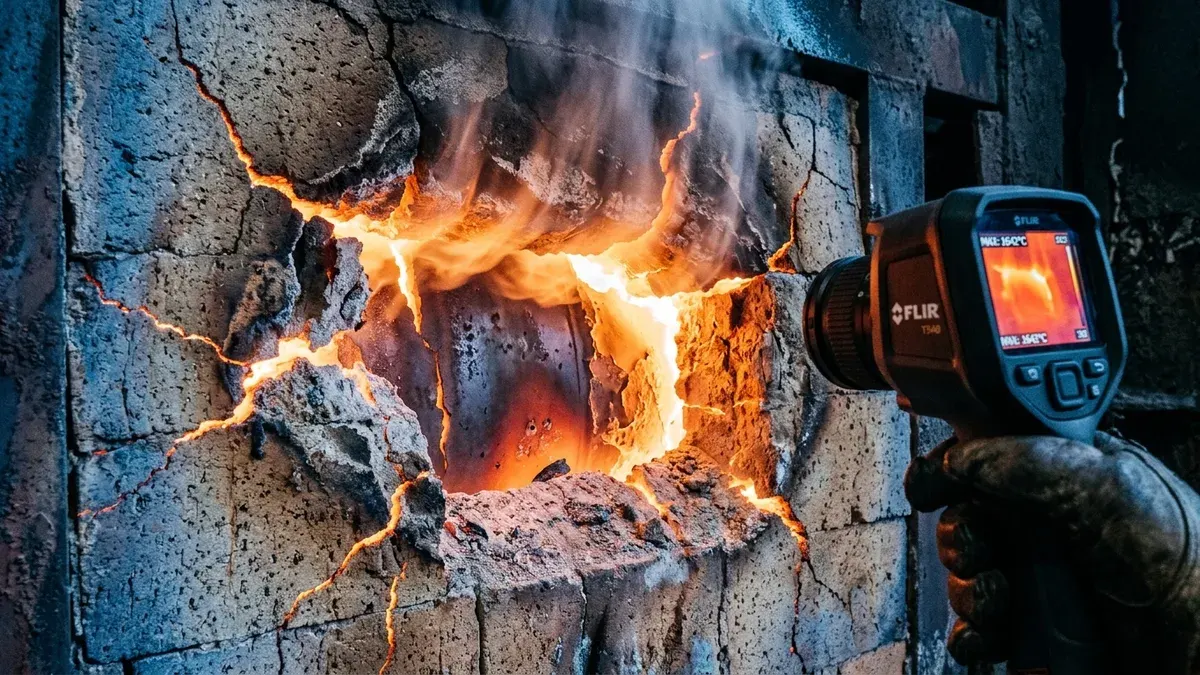
Refractory lining is the first line of defense keeping those temperatures away from pressure-bearing steel. When it fails, hotspots develop, creep damage accelerates, and structural integrity erodes faster than most inspection intervals can catch.
What It Means for Subcontractors
- Refractory installation and repair crews should treat hotspot prevention as a primary quality metric, not just a cosmetic concern. Poor installation is a direct cause of hotspot formation.
- Inspection subcontractors working on fired heaters, reformers, or reactors should be familiar with infrared thermography and other hotspot detection methods, as operators are under increasing pressure to catch these early.
- Field crews operating in refinery turnarounds should expect tighter documentation requirements around refractory condition, particularly in units running above 1,000°F where refractory is mandatory by design.
- Subcontractors bidding maintenance work on fluid catalytic crackers, gasifiers, or sulfur recovery units should understand the damage mechanism overlap between hotspots, high-temperature creep, and hydrogen attack. Operators who have read this guidance will ask better questions during pre-bid reviews.
- Companies investing in thermal inspection capabilities, including handheld IR cameras and trained thermographers, are better positioned to win integrity-focused service contracts as asset owners tighten their inspection programs.