Texas's $200 Billion Infrastructure Boom Is Outpacing the Industry's Ability to Build It Safely
According to Construction Dive, Texas is pushing through one of the largest infrastructure expansions in the country, with more than $200 billion in planned and ongoing transportation and utility projects underway, and the pace of that buildout is beginning to outstrip the industry’s capacity to execute it safely and correctly. The warning comes from William Rocha, vice president and head of Texas for Chicago-based national infrastructure builder F.H. Paschen, who argues that the rush to deliver is quietly putting construction quality at risk.
Background
The scale of what’s driving this boom is hard to overstate. According to Rocha’s analysis in Construction Dive, Texas has added more than 2.5 million new residents since 2020, with major metros like Dallas-Fort Worth and Houston each absorbing nearly 100,000 new residents per year for the past five years. That population surge has put enormous pressure on elected officials to fund and fast-track infrastructure improvements, from airport terminals and runways to hospitals and mass transit systems.
The $200 billion in projected spending is being funded through a mix of local, state, and previously allocated federal infrastructure dollars. Project owners, including municipal governments and airport authorities, are increasingly turning to design-build and other accelerated delivery methods to keep up with demand. And while those approaches can work well, Rocha notes that they reduce the margin for error, compressing not just schedules but the time available for inspection, coordination, and problem-solving.
Analysis
The dynamic Rocha describes is one that the construction industry has seen before, though rarely at this scale in a single state. When capital deployment accelerates faster than workforce and systems can absorb it, quality becomes the variable that gets squeezed. The three pressure points he identifies, a labor crunch, compressed timelines, and sheer project volume, don’t just add together. They multiply each other’s effects on the ground.
The skilled labor shortage is the most acute problem. Rocha notes that national estimates call for more than 100,000 new construction workers across all trades, and that Texas’s shortfall is even worse than the national picture. The visible result, as he describes it, is less experienced crews on large jobsites, overextended supervisors, and a higher potential for both safety incidents and missed quality details.
That workforce gap is being asked to absorb an extraordinary volume of complex, high-profile projects on tighter-than-normal schedules. Design-build delivery puts contractors in the field while design is still being refined. When something goes wrong in that environment, the chain of accountability can get murky fast. Who owns the error? Was it a design issue, a coordination failure, or a field execution problem? Those disputes take time and money to resolve, and subcontractors are often the ones caught in the middle.
The scope creep risk is also embedded in this environment, even if Rocha doesn’t use that term explicitly. When projects are being planned and built simultaneously, scope changes become nearly inevitable. For subcontractors working on lump-sum or fixed-price portions of a larger design-build contract, an undocumented change or an accelerated pour schedule can flip a profitable job into a loss. And in a market where every GC is stretched thin, the paperwork and change-order discipline that protects subcontractors often slips.
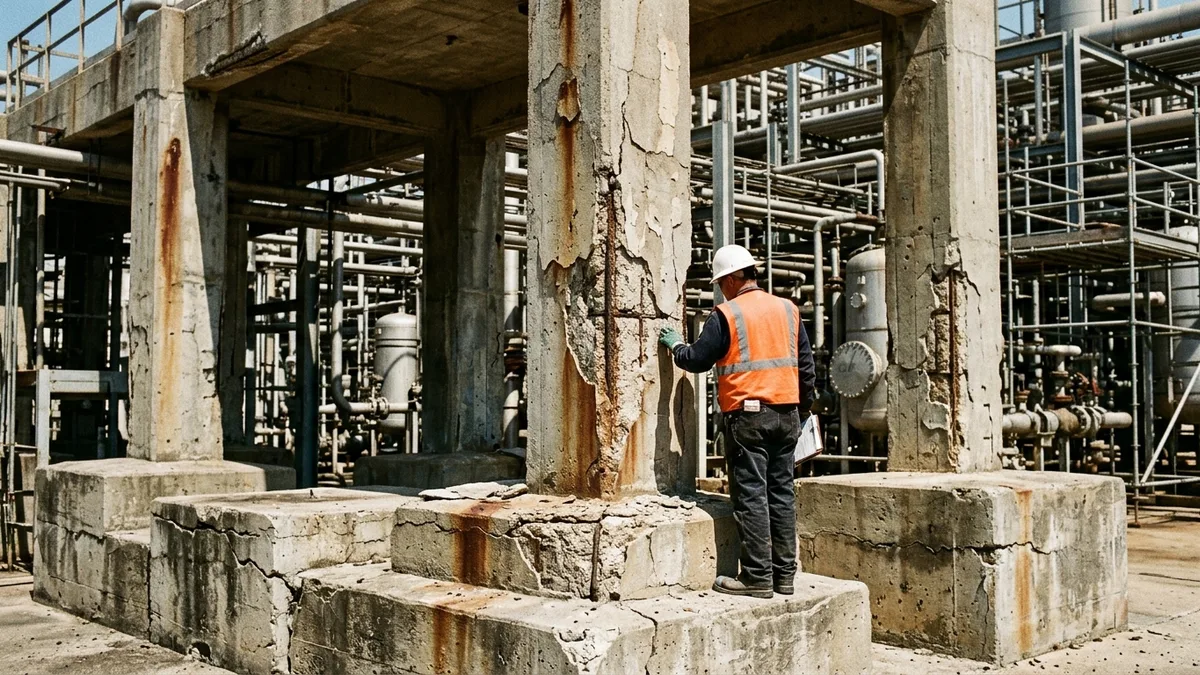
There’s also a systemic risk here that goes beyond individual projects. If $200 billion in Texas infrastructure is delivered under conditions that compromise quality, the back-end consequences, warranty claims, rework, infrastructure failures, and litigation, will land on the companies that built it. For subcontractors, that exposure can be company-ending if it isn’t managed proactively.
What It Means for Subcontractors
- Document everything on accelerated delivery projects. Design-build and fast-track schedules create fertile ground for scope disputes. Keep detailed records of RFIs, directives, and any verbal instructions that affect your scope or schedule.
- Price compressed timelines honestly. If a project schedule is unrealistic given current labor availability, your bid needs to reflect that risk. Winning a job at the wrong price in a stretched labor market is worse than not winning it.
- Ask hard questions about inspection and oversight protocols before you mobilize. On fast-track jobs, the quality control systems can be underdeveloped. Know who is responsible for inspections and what the escalation path is when something fails or needs to be redone.
- Watch for less experienced crews on large public projects. As Rocha notes, overextended supervisors and junior crews are increasingly common on Texas jobsites. If your work depends on another trade being done correctly first, build in verification steps rather than assuming.
- Understand your warranty and defect liability exposure. In a high-volume, high-speed build environment, defects that get buried in the schedule can surface years later. Know what your contract says about your liability window and whether it’s insurable.
Texas isn’t slowing down, and the money isn’t going away. But the subcontractors who will come out ahead are the ones who treat this boom as a risk management challenge, not just a revenue opportunity.