Texas RRC Chairman Tells Trump That Texas Supplies 43% of US Crude, Backs Federal Energy Cooperation
According to World Oil, Texas Railroad Commission Chairman Jim Wright sent a letter to President Trump in March 2026 highlighting Texas’s outsized role in domestic energy supply and signaling continued state-federal cooperation on energy policy.
Market Signal: Texas Still Holds the Cards
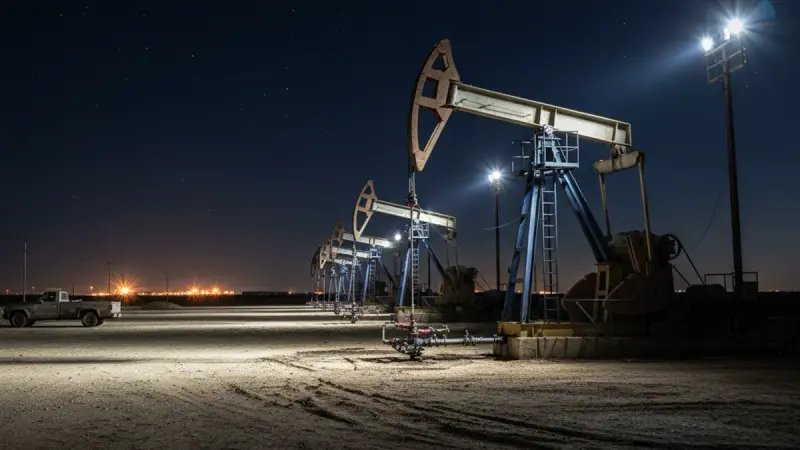
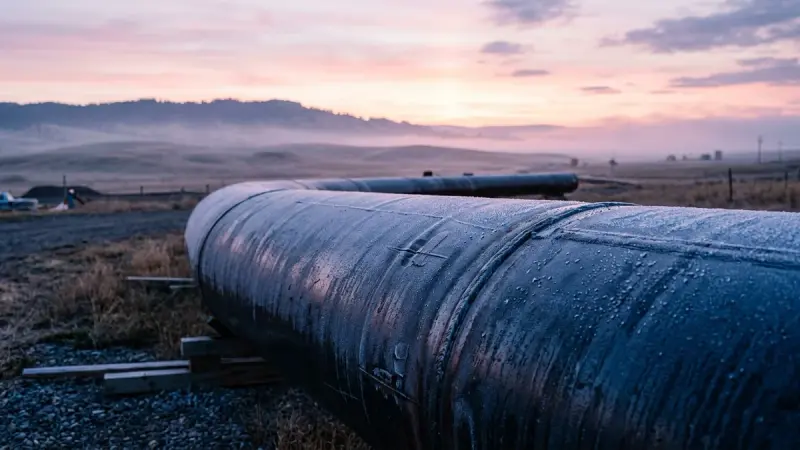
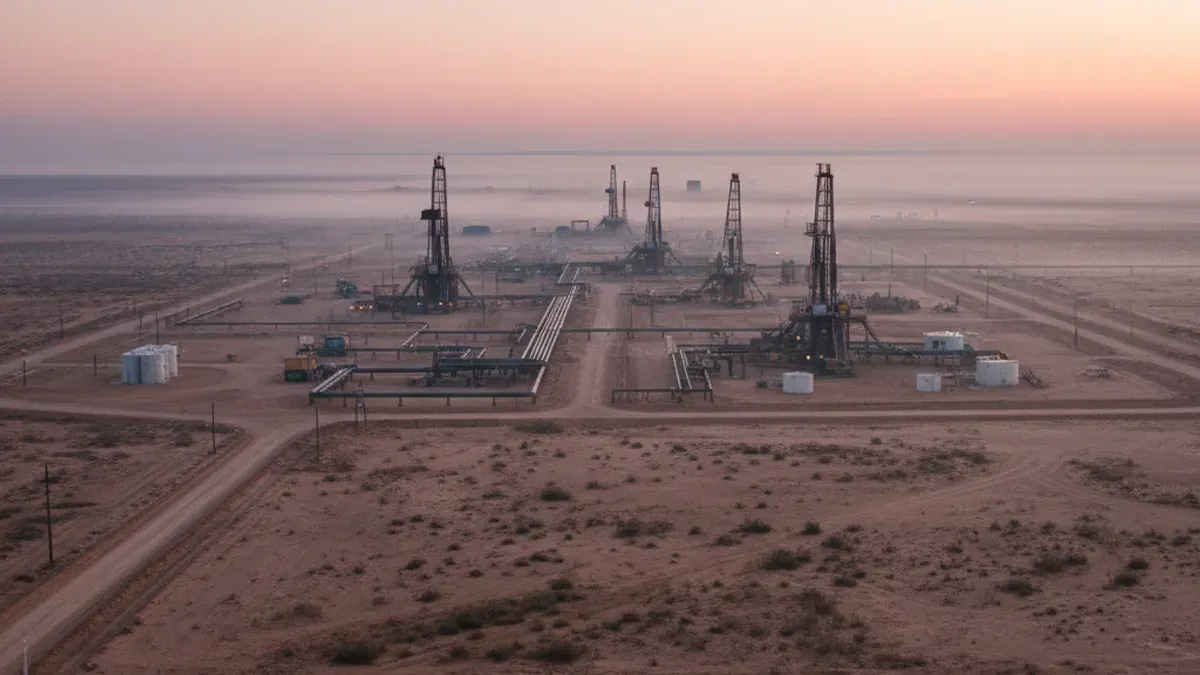
The numbers Wright cited put the stakes in perspective. Texas accounts for roughly 43% of US crude oil production and about 29% of the nation’s natural gas output. The Railroad Commission also oversees nearly 500,000 miles of pipeline infrastructure across the state, making it one of the most consequential energy regulators in the country.
“Texas energy has long been the foundation of our nation’s economic strength and national security,” Wright said in the letter. “In times of global uncertainty, the continued development of American oil and natural gas resources, guided by responsible oversight and sound policy, remains one of our greatest strategic advantages.”
The letter signals that Texas regulators are positioning themselves as a cooperative partner with the Trump administration on energy dominance goals, which points toward a stable, if not expanded, regulatory environment for Permian Basin and Gulf Coast operations in the near term.
What It Means for Subcontractors
- Permian Basin workload looks stable. With state regulators actively supporting federal energy expansion goals, expect continued permitting momentum and drilling activity across West Texas. Service companies should plan capacity accordingly.
- Pipeline work remains a priority. Nearly 500,000 miles of regulated pipeline infrastructure means ongoing inspection, maintenance, and construction opportunities. Companies with midstream capabilities should be watching RRC policy moves closely.
- Regulatory tone favors operators. A cooperative state-federal stance typically means fewer slowdowns on permits and approvals, which directly affects how quickly subcontractors get mobilized on new wellsite work.
- Position now for increased activity. If federal policy continues to push domestic production, the Permian, Eagle Ford, and Gulf Coast corridors are the most likely beneficiaries. Labor and equipment availability will tighten if activity ramps.