43 Texas Lawmakers Move to Block 200-Mile Central Texas Transmission Line
According to Oklahoma Energy Today, forty-three Texas state lawmakers have signed a legal brief asking the Public Utility Commission of Texas to conduct a deeper review of the proposed Bell County East to Big Hill transmission project before approving it, pushing back on one of the most contested utility infrastructure expansions in the state.
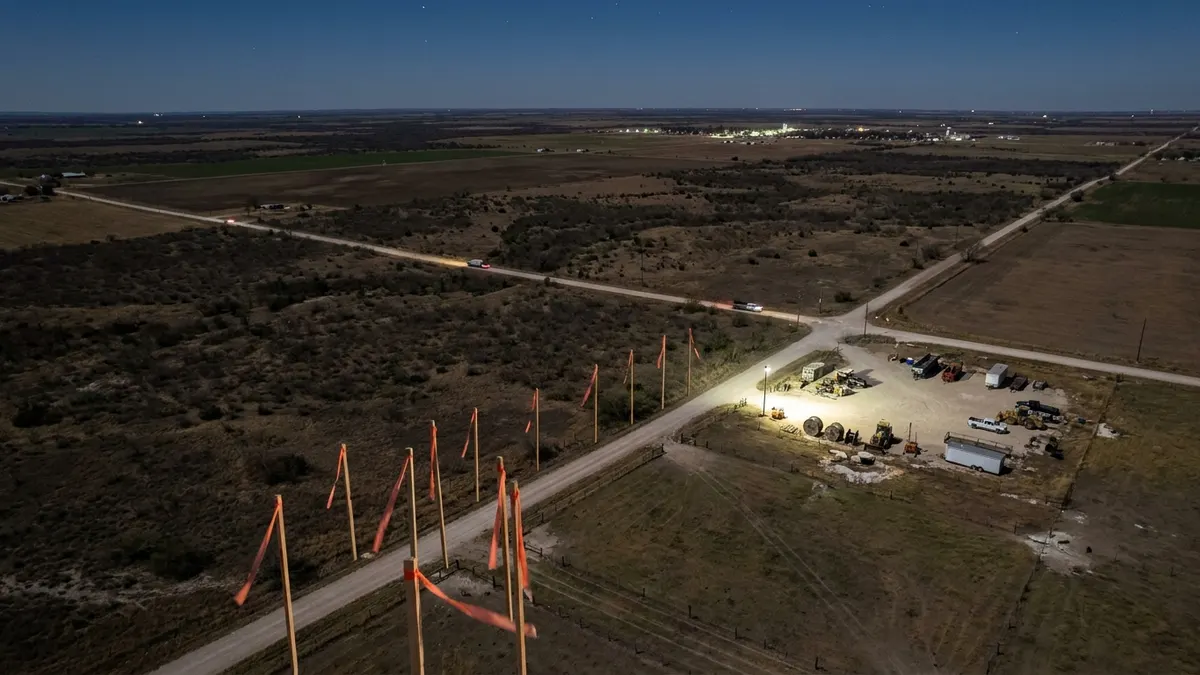
The 765-kilovolt project, proposed by Oncor and LCRA Transmission Services Corporation, would span nearly 200 miles through central Texas. The utilities argue the line is necessary to strengthen the ERCOT grid and accommodate rising power demand. Landowners, legislators, and community groups counter that the project’s scope has grown far beyond its original mandate.
“What began as a small regional transmission project to energize the Permian Basin has literally become a statewide transmission plan that was not authorized by the Legislature,” said Rep. Brad Buckley, who is leading the legislative opposition.
The 43-member coalition’s filing does not halt the ongoing Public Utility Commission administrative hearings. It is a formal request urging regulators to pause, require project developers to more thoroughly demonstrate need, and evaluate alternatives before making final decisions.
Rep. Hillary Hickland cited constituent pressure as a driving factor. “There are so many residents who have land that will be impacted by this project, and we’re hearing overwhelmingly against it,” she said. “For a project this big, we really need legislative guidance and oversight.”
Buckley framed the financial stakes plainly: the transmission buildout could cost ratepayers billions of dollars and affect thousands of property owners across the corridor.
What It Means for Subcontractors
- This is a live schedule risk for civil, electrical, and right-of-way contractors tracking the Bell County East to Big Hill project. A regulatory pause can delay mobilization windows by a year or more.
- Forty-three legislators filing against a project signals political opposition that goes beyond typical landowner disputes. Contractors with bids pending or crews staged for this corridor should confirm project status before committing resources.
- A 200-mile 765-kV line represents significant subcontracting volume across foundations, conductor stringing, access roads, and land restoration. The delay does not kill the project, but it extends the timeline before work-release orders flow.
- The broader dynamic, where state-level opposition can stall nationally significant grid infrastructure, is a pattern playing out across multiple corridors. Field service companies that price schedule risk into transmission bids are better positioned to absorb these political delays.