Tallgrass Cheyenne Power Hub Signals New Wave of Rocky Mountain Power Construction
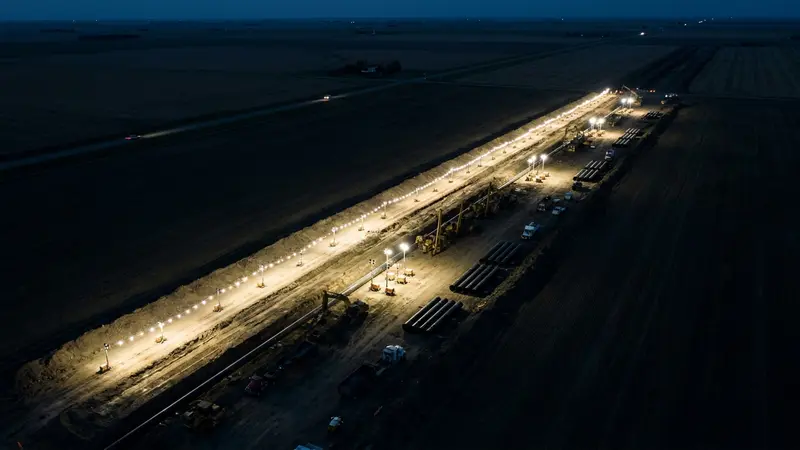
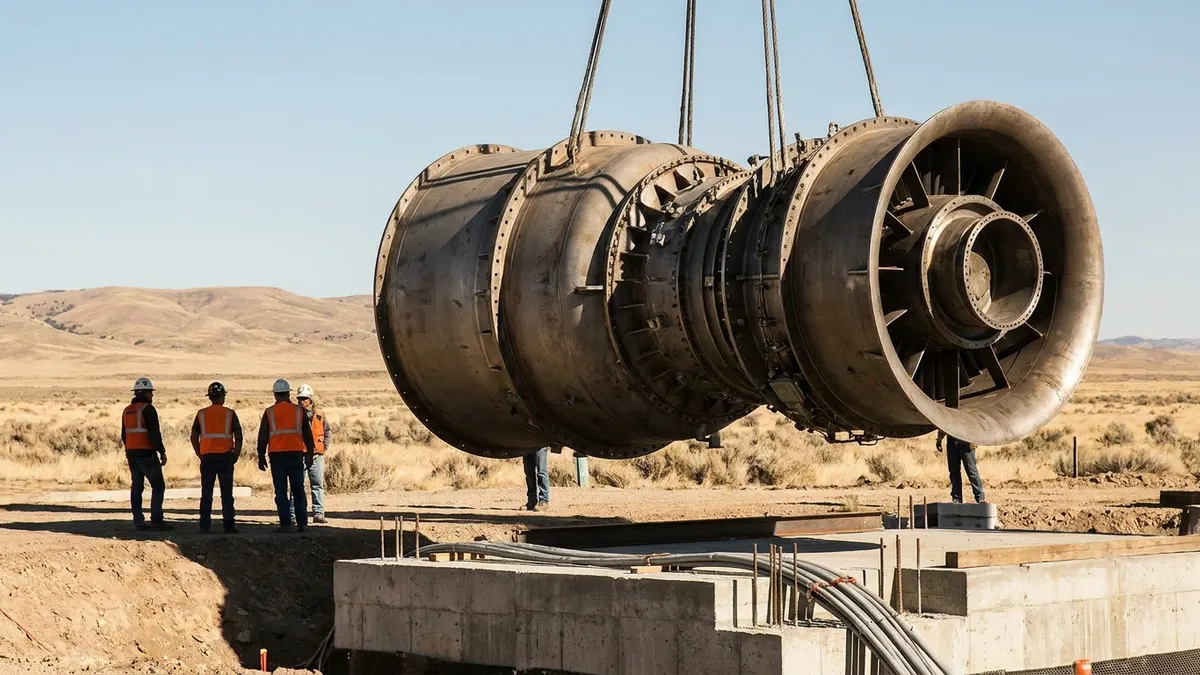
According to Power Engineering, Tallgrass Energy’s Cheyenne Power Hub in southeast Wyoming is projected to exceed $7 billion in investment and represents one of the clearest signs yet that midstream pipeline operators are moving aggressively into power generation. With turbine delivery imminent and installation of the first unit expected to begin as early as July, the project is transitioning from planning to active construction, and the work scope is substantial.
Background
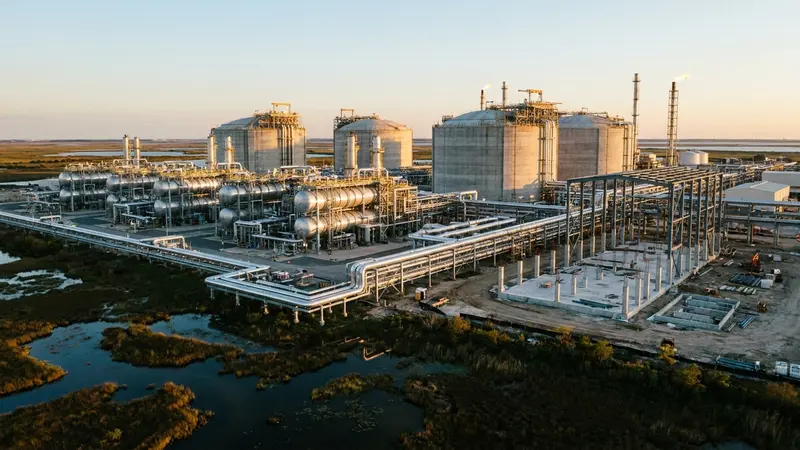
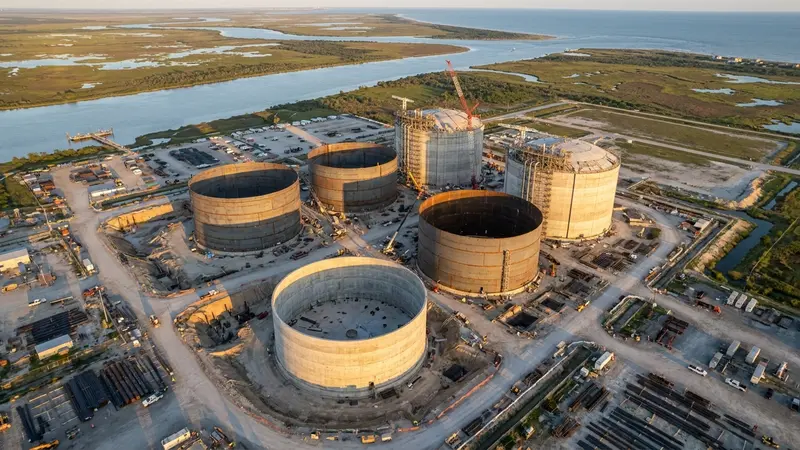
The Cheyenne Power Hub is being developed within the Switchgrass Industrial Park in Laramie County. According to Power Engineering, Laramie County commissioners approved a site plan in January that identifies two distinct development parcels. The power generation component, designated the BFC Power and Cheyenne Power Hub Project, will include two combined cycle power plants, temporary and permanent aeroderivative turbines for startup, backup, and base load supplemental generation, and a fuel cell yard.
Earlier this month, Tallgrass and Mitsubishi Power announced that two M501JAC gas turbines have been allocated for Phase 1, with the units expected to provide approximately 1,150 megawatts of capacity fueled by natural gas from Tallgrass’ Rockies Express Pipeline. The data center the hub will serve is identified in planning documents as Project Jade, on an adjacent 600-acre parcel. Tallgrass announced last July that Crusoe, described as a vertically integrated AI infrastructure provider, would be its partner on the data center campus. That campus is initially sized at 1.8 gigawatts with the potential to scale to 10 GW.
Power Engineering also notes that electricity demand in the Western U.S. is expected to grow more than 20% this decade, with data centers alone accounting for an estimated 90 GW of projected demand, particularly in fast-growing markets like Utah, Arizona, and Colorado.
Analysis
What makes the Cheyenne Power Hub significant is not just its size but what it represents structurally. Pipeline operators like Tallgrass have something traditional power developers don’t: existing fuel supply infrastructure. By routing gas from the Rockies Express Pipeline directly to behind-the-meter generation, Tallgrass can offer hyperscale data center customers a power supply that bypasses strained grid interconnection queues entirely. That model is attractive to AI infrastructure companies that need guaranteed, large-scale power on aggressive timelines, and it’s increasingly difficult to deliver through conventional utility channels.
This is a new class of power developer entering the market. Midstream companies aren’t just selling gas anymore. They’re selling electrons, and they’re doing it with vertically integrated fuel control that utilities can’t easily replicate. For the Rocky Mountain region, that shift unlocks a category of projects that wouldn’t have materialized through traditional utility planning processes.
The scale also matters. A campus that starts at 1.8 GW and could reach 10 GW is not a single project. It’s a decade-long construction program. Even Phase 1, with two combined cycle plants plus aeroderivative turbines plus a fuel cell yard, requires a deep and sustained contractor workforce across multiple disciplines simultaneously.
What It Means for Subcontractors
- Immediate mechanical work is on the horizon. With turbine installation expected to begin as early as July, Laramie County-area contractors in heavy rigging, mechanical installation, and civil site prep should be positioning now.
- Combined cycle plants require broad trade depth. Projects of this type demand civil, structural, mechanical, electrical, instrumentation, insulation, and refractory crews working in overlapping phases. Multi-trade contractors and specialty subs both have a place in this work.
- Aeroderivative turbines add a separate scope. The temporary and permanent aeroderivative units listed in the site plan represent a distinct installation track from the main combined cycle plants, potentially running on a parallel schedule.
- The fuel cell yard is a specialty opportunity. Fuel cell installation is a niche discipline, and contractors with that capability or the ability to partner with fuel cell specialists should take note.
- This project signals a broader regional pipeline. Power Engineering reports that similar midstream-to-power projects are taking shape across the Mountain West to serve data center load in Utah, Arizona, and Colorado. A contractor who builds relationships and reputation on the Cheyenne Power Hub is positioned for the wave of similar projects likely to follow.
- Don’t wait for a general contractor call. Projects of this scale often involve early engagement with equipment suppliers like Mitsubishi Power and project developers directly. Contractors who get on approved vendor lists now, before full construction mobilization, are better positioned than those waiting for subcontract packages to hit the street.