Senate Passes Permitting Bill 62-33; House Vote Is Next Hurdle
A 62-33 Senate vote has moved the Bipartisan American Affordability and Jobs Bill to the House, and the bill targets the approval process for new power plants, grid upgrades and data centers, OilPrice.com reports. The bill is not law yet. For civil, electrical and pipeline subcontractors, it is a signal about where permitted work could come from in 2027, not a schedule you can bid against today.
Background
The bill is meant to speed up approvals for large-scale energy projects. OilPrice.com’s Irina Slav reports that it covers oil, gas and coal projects as well as wind and solar installations. The three project types named in the report are new power plants, grid upgrades and data centers.
The vote broke along mostly, but not entirely, party lines. A majority of Republican senators backed the bill, joined by 14 Democrats and one independent. Senator Shelley Moore Capito, a co-author, said the vote was “a major step towards addressing the affordability concerns of the American people.”
The Senate held the vote after the midterm elections, with the bill The new Democratic majority does not take office until January 2027. Per OilPrice.com, citing Reuters, Democrats who opposed the bill feared weaker environmental regulation. Oregon Sen. Jeff Merkley, quoted by CBS News, framed it as a question about “our responsibilities to this planet.” He also acknowledged the bill could “turn the faucet potentially on” for wind and solar, but said he suspected the Trump administration would block those projects in favor of hydrocarbons.
Analysis
The 15 crossover votes are the number to watch. Fourteen Democrats and one independent helped carry the bill to 62 votes. That tally shows the permitting concept can draw support across party lines when it is packaged as an affordability and jobs measure. The Senate vote does not tell us how House members will treat the same text, and nothing in the source gives a House vote count to benchmark against.
The calendar matters more than the tally. The Democratic majority arrives in January 2027, and Democrats who voted no cited environmental concerns. Slav writes that those fears could derail the bill in the House. If the House does not act before the new majority is seated, the political math changes. We read that as a narrow window, but that is our inference from the January date, not a timeline the source gives.
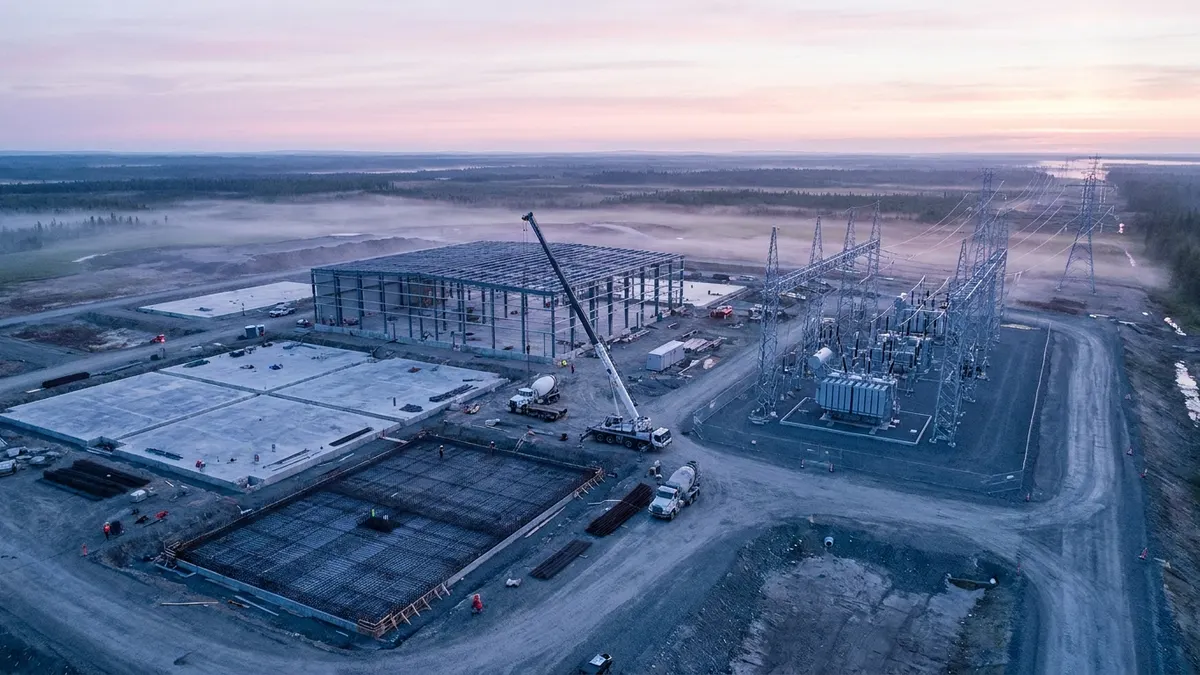
The project mix favors electrical and civil work first. Power plants, grid upgrades and data centers share the same early-stage pinch points: site work, interconnection and long-lead equipment. Faster approvals pull the start of site grading, foundations, duct banks, substations and switchyards forward. They do not shorten equipment lead times or the labor market. A project that clears permitting sooner still needs transformers and breakers, and subs should not assume approval alone moves a mobilization date.
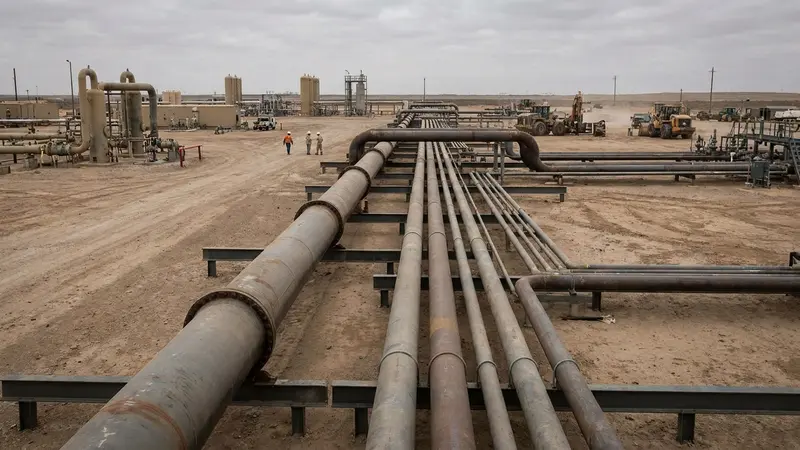
Pipelines are the open question. The source says the bill covers oil, gas and coal projects but does not name any specific pipeline, route or developer. We will not guess which lines gain from it. The practical read is that hydrocarbon work is in scope generally, and the benefit to any single pipeline depends on where that project sits in its approval process and on whether the House passes the bill. Pipeline subs should treat any NTP acceleration as conditional.
Politics cuts both ways on the mix. Merkley’s remarks point to a split outcome. The bill could ease wind and solar approvals on paper, while administration decisions determine which projects get through. Electrical and civil crews tied to renewables should price that uncertainty rather than count on faster approvals alone. Sub scopes tied to gas-fired generation, grid tie-ins and data center campuses sit on firmer footing under the bill’s stated targets.
What It Means for Subcontractors
- Civil and site prep: Data center and power plant sites are named in the bill’s scope. Ask owners and EPCs on pending projects whether permit timing is their schedule constraint. If it is, a House passage could pull earthwork and foundation packages forward, so confirm crew and equipment availability for 2027 now.
- Electrical and E&I: Grid upgrades are one of the three named project types. Check with utilities and EPCs on pending substation, transmission and interconnection scopes, and ask which long-lead items (transformers, switchgear) are already ordered. Faster approval does not help if equipment arrives after your window.
- Pipeline and pipefitting crews: The source does not identify specific pipelines, so do not plan around NTP dates that nobody has announced. Ask owners of pipelines already in the approval pipeline whether their permits depend on the reviews this bill targets. Keep crews committed elsewhere until a House vote is scheduled.
- Renewables-focused trades: Wind and solar are covered, but Merkley expects the administration to favor hydrocarbons. Bid renewable work with schedule-risk language and avoid committing crews to start dates tied to federal approvals.
- Everyone: The date to watch is January 2027, when the new Democratic majority takes office. Follow the bill’s status on Congress.gov, and check with trade associations such as AGC or ABC for House whip counts. If the House has not taken the bill up by then, treat the Senate vote as a marker of political momentum rather than a near-term permitting change.