Senate Advances Permitting Bill 73-25, House Is Next Hurdle
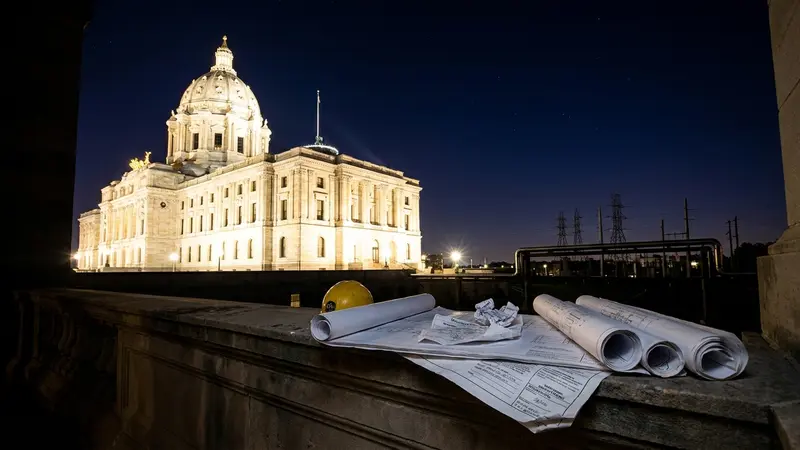
The Senate voted 73-25 on Nov. 9 to advance the Bipartisan American Affordability and Jobs Act, a permitting bill that would shorten NEPA reviews for energy infrastructure, ENR reports.
The procedural vote sets up a full Senate vote on the bill later this month. President Donald Trump said Nov. 8 that he would sign it if it reached his desk.
Market Impact
The bill would shorten the timeline for National Environmental Policy Act reviews of energy infrastructure. It would also shorten the window for filing legal challenges against new projects. It would require data center developers to pay the costs of powering their facilities as well. Senate Environment and Public Works Chair Shelley Moore Capito (R-W.Va.), ranking member Sheldon Whitehouse (D-R.I.), Energy and Natural Resources Chair Mike Lee (R-Utah) and ranking member Martin Heinrich (D-N.M.) introduced it in late September after negotiating a deal with the White House.
The bill still has to clear the House. Some Democrats have said they will oppose it, and ENR notes that some want to hold off on major action until the new Congress convenes in January, when they will have more leverage. It is also unclear whether enough lawmakers who lost re-election bids will return to supply the votes. Steve Hall of the American Council of Engineering Cos. told ENR that a Democratic majority could punt the bill to January, but he argued lawmakers on both sides know “they’ve got a good deal in hand.” Backers include the Associated General Contractors of America, LIUNA and the building trades. Tribal, environmental and historical preservation groups oppose it, saying it would cut community and Tribal input and review time.
An analysis released Nov. 6 by the Center for Climate and Energy Solutions and Greenline Insights found that modeling suggests the reforms would reduce system costs, expand clean energy deployment and lower power sector emissions. The groups said they had not reviewed all the environmental and legal tradeoffs.
What It Means for Subcontractors
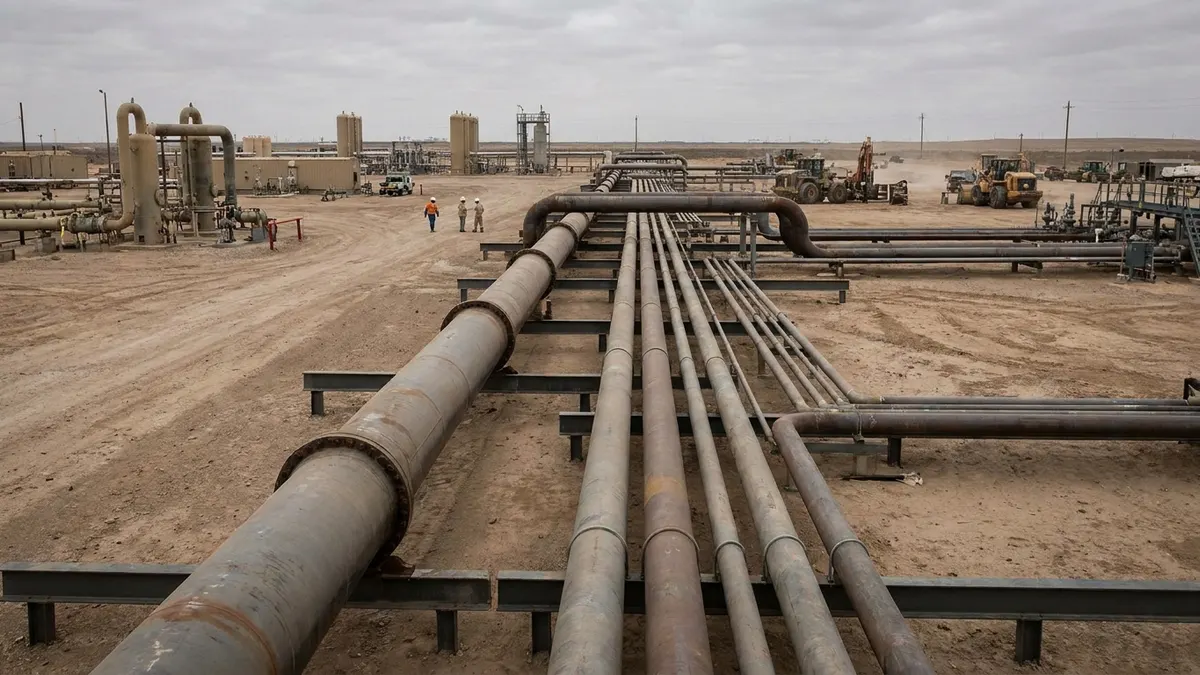
- Project types: ENR’s report says “energy infrastructure” and does not break out pipelines, transmission or generation. Read the Bipartisan American Affordability and Jobs Act text on Congress.gov before telling clients which of your service lines gain NEPA relief.
- Timing: No bid-stage dates are tied to the bill. The sequence is a final Senate vote later in November, then the House. If House Democrats wait for the January session, enactment slips into 2027, and any schedule gains on reviewed projects would follow after that. Don’t build backlog assumptions on it yet.
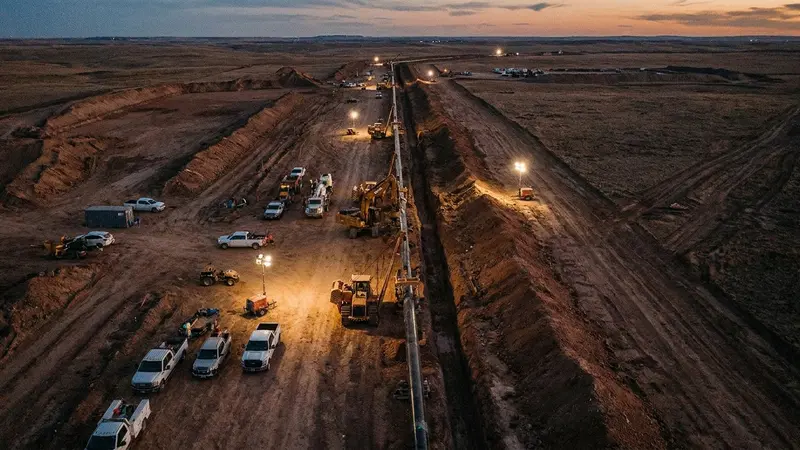
- Civil, earthwork and ROW crews: A shorter window for legal challenges targets a common cause of schedule slips on new projects. Ask owners which of your pending packages have been held up by litigation or review delays, and flag those as the first candidates to move.
- Electrical and E&I contractors: Data center developers would have to pay for the power their facilities draw. That could change how developers budget for on-site power and interconnection work. The Center for Climate and Energy Solutions and Greenline Insights modeling points to more clean energy deployment, so power-sector work is the likely beneficiary. Ask data center clients before year-end how this cost rule changes their power scopes.
- Tribal and historic review exposure: Tribal and historic preservation groups oppose the bill over reduced community input and review time. Projects with heavy consultation requirements may still draw scrutiny, so keep contingency in schedules until the final text is public.