Rental Power Fills the Gap as Grid Capacity Lags Surging U.S. Demand
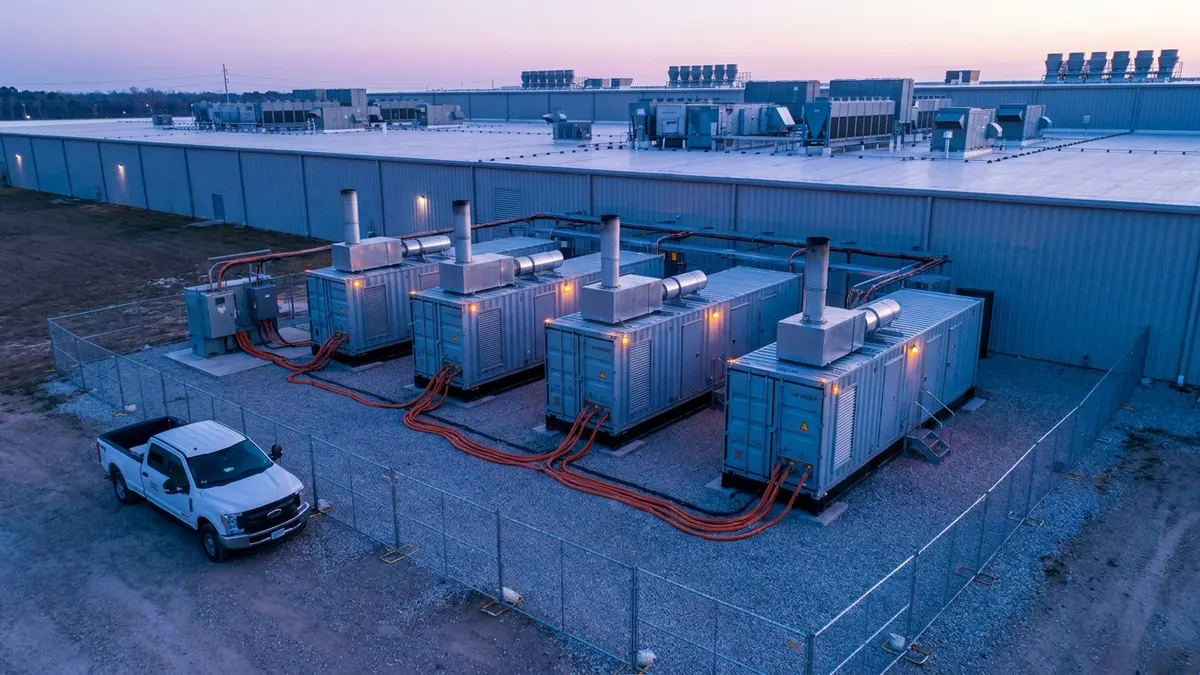
According to Power Engineering, temporary generation is emerging as a strategic bridge for organizations caught between surging electricity demand and slow-moving grid expansion. The perspective comes from Luiz Pustiglione, Director of Market Development for Rental Power Solutions at Caterpillar Inc., writing in a vendor commentary capacity. Readers should note the commercial context: Caterpillar operates a rental power division serving this market.
Market Impact
Pustiglione points to two key forecasts driving the conversation. The Electric Power Research Institute (EPRI) predicts data centers could account for 9% to 17% of U.S. electricity consumption by 2030, more than doubling their current share. Virginia is cited as a state that could see significantly higher concentrations of demand.
On the supply side, the North American Reliability Corporation’s (NERC) 2024 Long-Term Reliability Assessment identifies a timing problem: planned generation and transmission resources are not coming online as quickly as expected. That gap between rising demand and delayed infrastructure is where rental power fits in.
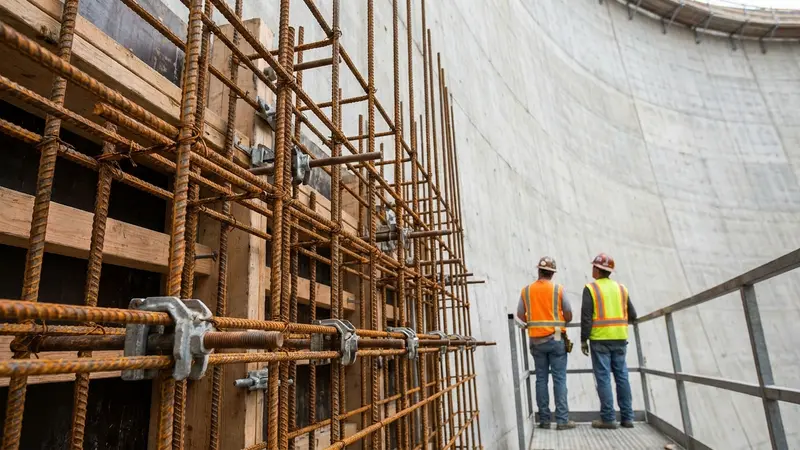
Pustiglione notes that bridging solutions are not limited to utilities managing peak load. Large industrial companies can use a targeted amount of bridging power to reduce their peak load contribution calculation and lower capacity charges for the following 12 months. Construction, mining, and oil and gas worksites can also use temporary power to accelerate operations before permanent electrical infrastructure is ready.
What It Means for Subcontractors
- Mobilization speed is the product. Clients facing grid delays need power fast. Field service companies that can rapidly deploy and commission generation equipment have a clear competitive edge in this market.
- Oil and gas and construction sites are named end users. According to the article, early-stage worksites in these sectors are explicit targets for bridging power solutions, making this directly relevant to upstream and infrastructure subcontractors.
- Peak shaving creates a commercial angle beyond emergencies. Rental power is not just a backup play. The capacity charge reduction argument gives subcontractors a cost-savings pitch to bring to industrial and commercial clients, expanding the conversation beyond brownout protection.
- Demand is structural, not cyclical. With NERC projecting sustained demand growth over the next decade and grid resources running behind schedule, temporary power rental is positioned as a long-term service category, not a one-off opportunity.
Note: Subcontractors evaluating rental power options should compare multiple vendors. Caterpillar is one provider in a competitive market that includes Aggreko, Generac, and others.