Reformer Tube Failures Are Costing Refineries Uptime. Here's What Inspection Teams Need to Know
According to Inspectioneering Journal, researchers at Indian Oil Research & Development Centre published a failure and residual life analysis of service-exposed hydrogen reformer tubes in the November/December 2025 issue, examining the root causes of premature tube failure and methods for assessing remaining service life.
Why Reformer Tube Failures Matter in Oil and Gas
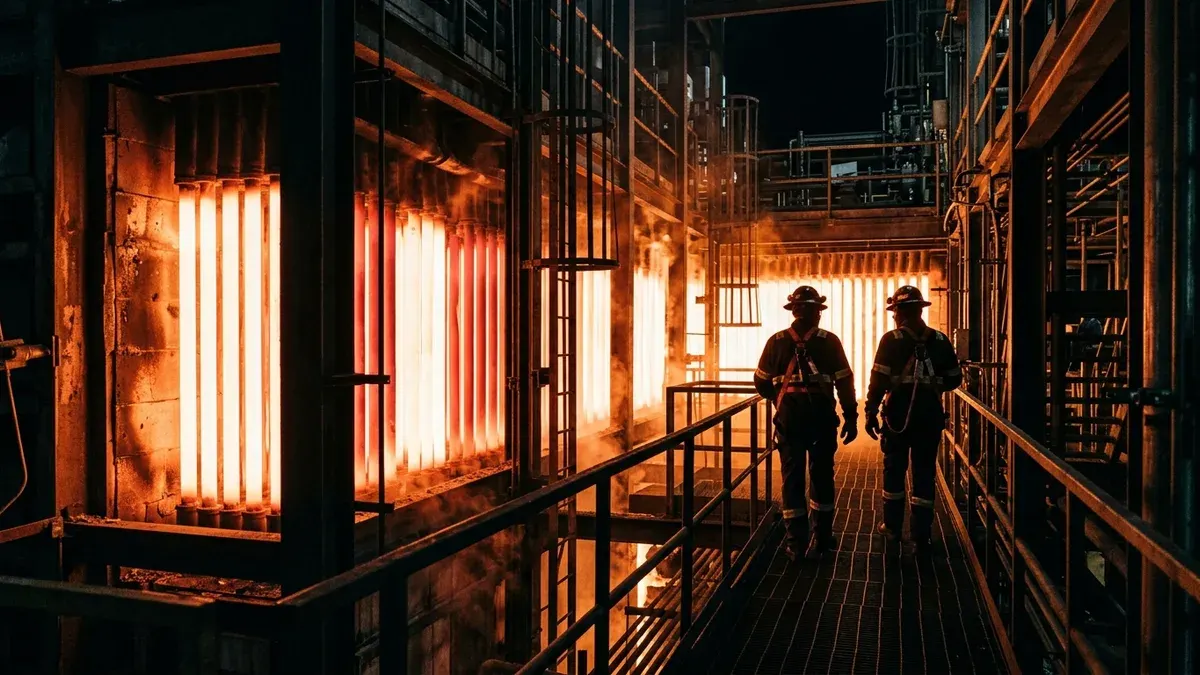
Hydrogen reformer tubes are workhorses in refining and petrochemical operations. Steam methane reforming accounts for roughly 48% of global hydrogen production, making these assets critical across refineries, fertilizer plants, and steel operations. The tubes, typically manufactured from heat-resistant alloys like HP40 and HK40 (25Cr/35Ni grades), are designed for approximately 100,000 hours of service under brutal conditions, including temperatures between 970 and 1,000 degrees Celsius and pressures of 20 to 30 kg/cm2.
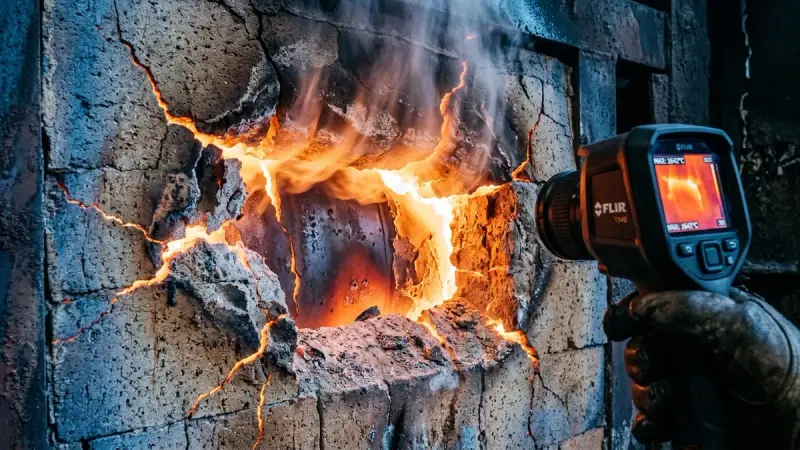
The research highlights several damage mechanisms that drive premature failure: creep rupture, which begins as microscopic voids forming along dendritic grain boundaries roughly a third of the way into the tube wall; localized overheating from misaligned burners causing direct flame impingement; and microstructural damage from unexpected shutdowns that create cyclic thermal and mechanical stress. Because creep damage initiates inside the tube material, standard visual inspection won’t catch it. Specialized nondestructive testing is required to assess damage before a tube fails and forces an unplanned shutdown.
What It Means for Subcontractors
- Inspection subcontractors working in hydrogen production, ammonia, or refining need advanced NDE capabilities, specifically techniques capable of detecting internal creep voids and carbide cracking, not just surface-level inspection methods.
- Mechanical integrity and turnaround contractors should expect client focus on residual life assessments, not just pass/fail inspection calls. The ability to provide quantitative remaining life estimates is becoming a differentiator in scope bids.
- Burner alignment work has a direct connection to tube longevity. Combustion or mechanical subcontractors who can document proper burner alignment as part of their deliverables are helping clients reduce one of the leading causes of premature tube failure.
- Understanding the metallurgy matters. Newer tube alloys include niobium and zirconium additions for improved creep life. Field teams handling these components during turnarounds should follow client procedures closely, as improper handling or heating can degrade the very properties that extend tube life.
- Unplanned shutdowns are the enemy. Subcontractors with rapid-response inspection or repair capabilities for reformer sections have a strong value proposition to offer refinery and petrochemical clients managing aging tube populations.