Energy Markets Stay Unsettled After Ceasefire: What Field Operators Need to Know Now
According to Oil & Gas 360, this week’s energy market action proved that a ceasefire doesn’t equal calm. Prices remain elevated, supply chains stay uncertain, and the disruptions that moved through the system over recent weeks haven’t finished working themselves out. For field service companies trying to plan the next quarter, that’s both a warning and an opportunity.
Background
The Persian Gulf and surrounding production corridors have spent months under pressure from geopolitical tension. When ceasefire signals emerged this week, many operators and investors expected relief. Instead, according to Oil & Gas 360’s weekly market summary, the pause in hostilities complicated the picture rather than resolving it. Supply uncertainty didn’t evaporate. Prices didn’t correct sharply lower. The market is in a holding pattern, not a recovery.
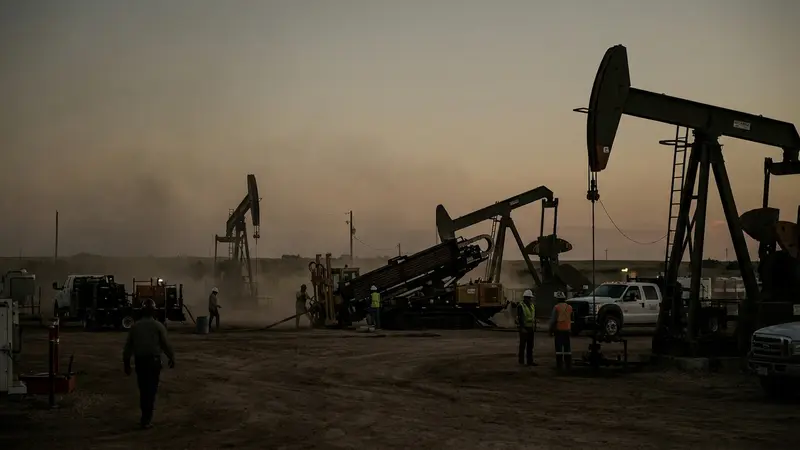
That context matters for anyone working in the Permian, the Bakken, the Gulf Coast, or the Rockies. Upstream spending decisions made in Houston and Calgary are downstream consequences for every wireline crew, water hauler, and facilities contractor trying to fill their schedule six to eight weeks out.
The Strait of Hormuz remains a pressure point. Roughly 20% of global oil supply transits that passage, and any sustained disruption there moves crude benchmarks fast. Even a temporary pause in fighting doesn’t eliminate the risk premium baked into current prices. Traders know that, and so do the E&P finance teams watching cash flow against their hedging books.
Analysis
The key tension right now is between elevated commodity prices and operator hesitation. On paper, WTI above $75 to $80 per barrel is a number that historically triggers accelerated drilling programs. The rig count should be responding. But operators in 2025 and into 2026 have been more disciplined than in previous cycles, prioritizing shareholder returns and debt reduction over volume growth. That discipline doesn’t go away just because a geopolitical scare bumped prices for a few weeks.
What that means in practical terms: the drilling surge that elevated prices might normally signal isn’t guaranteed. Operators are watching to see whether this price level holds, or whether a ceasefire plus OPEC production adjustments push crude back toward $70 or below. Until they have more confidence, many will stay close to their existing activity plans rather than pulling forward new wells.
Natural gas adds another layer of complexity. LNG export demand has kept domestic gas prices stronger than the production picture alone would justify. If global supply disruptions persist, that supports continued gas-focused activity in the Haynesville, Marcellus, and Permian associated gas corridors. That’s relevant for midstream contractors, compression crews, and pipeline construction outfits.
There’s also a timing issue that doesn’t get enough attention. Even if a major operator decides today to accelerate a 10-well pad program, the work doesn’t hit the field for weeks. Permitting, sourcing, logistics, and crew mobilization all take time. By the time subcontractors see the actual work orders, the market signal that triggered the decision may look very different. Chasing the surge after it’s announced often means arriving late to a crowded spot market.
The operators who benefit most from volatility cycles are the ones who already have master service agreements in place, have maintained relationships through the slow periods, and can mobilize quickly when the call comes. The ones who scramble every time tend to get whatever’s left.
What It Means for Subcontractors
-
Don’t wait for a drilling announcement to start conversations. If your E&P customers are watching this volatility, now is the time to check in, confirm your position on their preferred vendor lists, and find out what their planning assumptions look like for Q3 and Q4.
-
Rate decisions are genuinely difficult right now. Locking in long-term rates protects you if activity stays flat or softens. Holding for spot market rates makes sense if a sustained surge materializes. The honest answer is that neither move is obviously right, and your decision should reflect your cash position and backlog, not speculation on crude prices.
-
Gas-focused basins may outperform oil plays in the near term. LNG export demand is a real structural tailwind. If you have the capacity to shift resources toward Haynesville or Marcellus work, it’s worth evaluating.
-
Build your mobilization capability now. If a surge comes, the constraint won’t be work, it’ll be people, equipment, and logistics. Subcontractors who can scale up faster than competitors will capture the best margins.
-
Watch OPEC production decisions as closely as geopolitics. A coordinated OPEC output increase could move prices lower faster than any ceasefire, and that changes operator budgets quickly.
The broader message from this week’s market action is straightforward: volatility doesn’t reward passivity. Whether the next move in energy markets is up or down, field service companies that have done the preparation work will be better positioned than those waiting for certainty that isn’t coming.