Ottawa Document Shows 20 GW of Data Centre Projects in Planning Across Canada
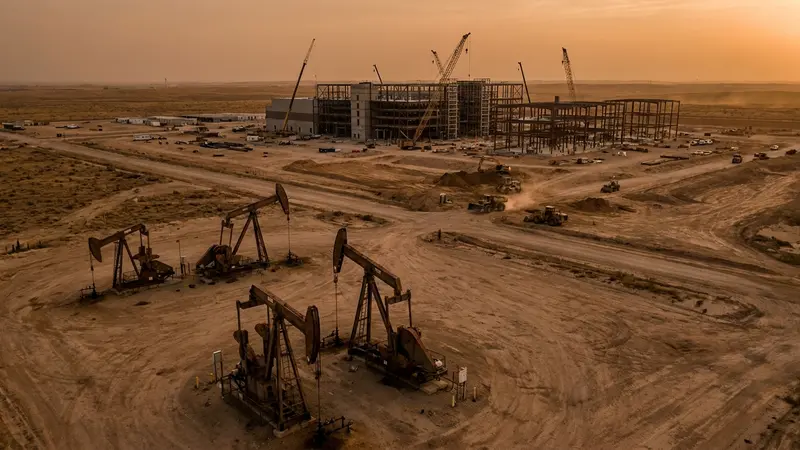
A Canadian Press report via Daily Commercial News reveals that a federal government document prepared for Artificial Intelligence Minister Evan Solomon identifies over 20 GW of AI data centre capacity currently “under planning or development” across Canada, a massive jump from the roughly 337 megawatts already operating. The pitch deck, prepared by Innovation, Science and Economic Development Canada for use with international investors, was obtained through access-to-information. Government spokespeople pushed back on the figure, calling it a “point-in-time snapshot” of announced and proposed private projects rather than a build-out forecast, and said most of the proposed capacity likely won’t proceed given financing, grid capacity, regulatory approval, and community engagement hurdles. An earlier August 2025 briefing put the figure even higher, at 22.1 GW, which would rank Canada second in the G7 for compute capacity. The document notes the majority of proposed capacity sits in Alberta, where an 18 GW pipeline tied to the province’s AI Data Center Strategy would run largely on natural gas power rather than the grid.
What It Means for Subcontractors
- Alberta is the near-term hotspot: the province’s data center strategy targets $100 billion in investment, with over 18 GW of proposed projects requiring natural gas power plant construction, meaning gas-fired generation, civil, and E&I subcontractors should track permitting activity around Alberta municipalities including Olds, where a 10-building, 1.4 GW campus is already facing local opposition.
- Community pushback is stalling projects before they reach subcontract stage, seen in Manitoba (premier rejected a large data center southeast of Winnipeg), Hamilton (city council considering a data center moratorium after harbourfront campus opposition), and Vancouver (June protests), so bid on projects with secured local and utility approvals rather than early-stage announcements.
- Only a fraction of the 20 GW pipeline will convert to actual construction work, per government officials, so electrical, mechanical, and cooling-trade contractors should track individual project milestones (financing close, utility interconnection agreements, municipal approvals) rather than treating the gigawatt total as a demand forecast.