Ontario Approves 640 MW of Battery Storage Across Three New Projects
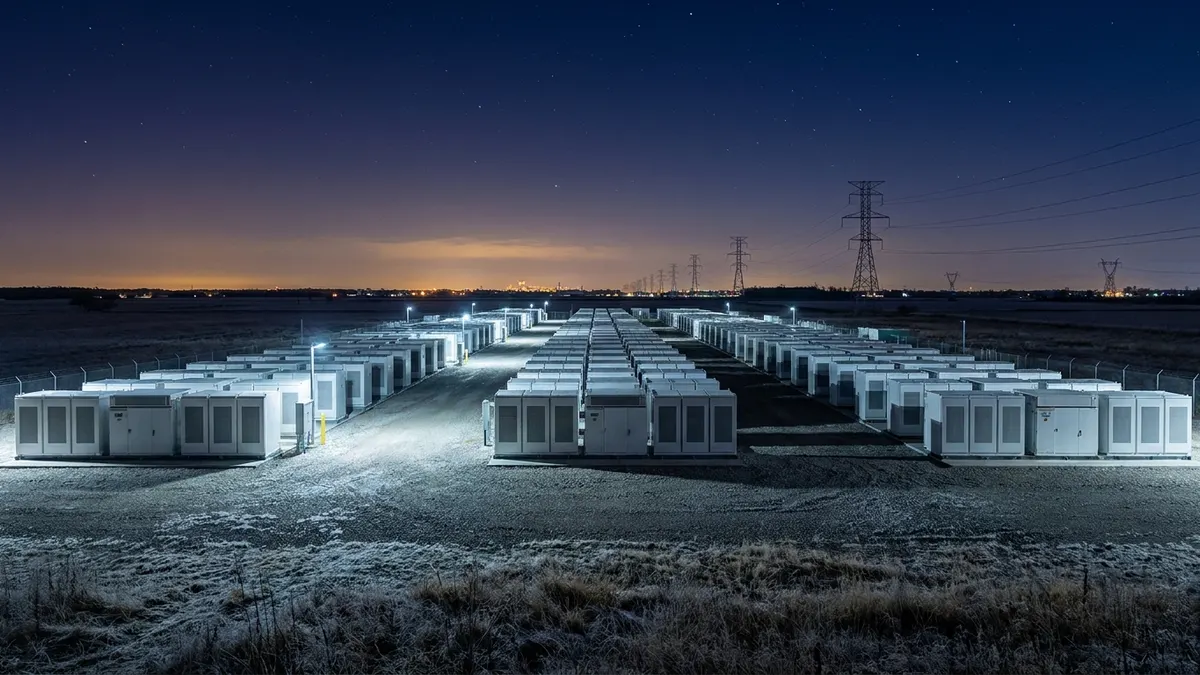
According to a Canadian Press report via Daily Commercial News, the Ontario government has announced that the Independent Electricity System Operator has procured 640 megawatts of new grid capacity through three large battery storage projects, enough to power 640,000 homes.
Market Impact
The IESO moved to secure additional capacity as electricity demand across Ontario is projected to grow significantly over the coming decades. The procurement was competitive and open, and environmental groups say the resulting prices demonstrate that battery storage can serve as a lower-cost alternative to natural gas for grid reliability, not just a climate policy tool.
Organizations including Environmental Defence, Clean Energy Canada, and the Pembina Institute welcomed the announcement, arguing it reflects a market-driven shift toward clean energy rather than a purely regulatory one. The battery systems are designed to inject power into the grid during periods of peak demand, filling a role previously associated with gas-fired generation.
What It Means for Subcontractors
- Electrical and utility subs should watch for procurement activity tied to all three projects. Large battery storage installations require significant civil, electrical, and commissioning work, and subcontract packages typically follow shortly after major capacity announcements.
- Grid-scale battery projects favor contractors with high-voltage and utility-scale experience. Subcontractors without that background may want to pursue partnerships or pre-qualification now, before RFPs hit the market.
- The competitive pricing outcome signals more procurements ahead. If battery storage is proving cost-competitive with natural gas in Ontario, the IESO is likely to run additional rounds, meaning sustained pipeline work for utility construction firms across the province.
- Ontario’s grid buildout is accelerating. Subs active in infrastructure work should treat this announcement as a leading indicator of broader capital spending on grid modernization in the near term.