Oilsands Group Warns Investment Drought Threatens Canada's Energy Security Goals
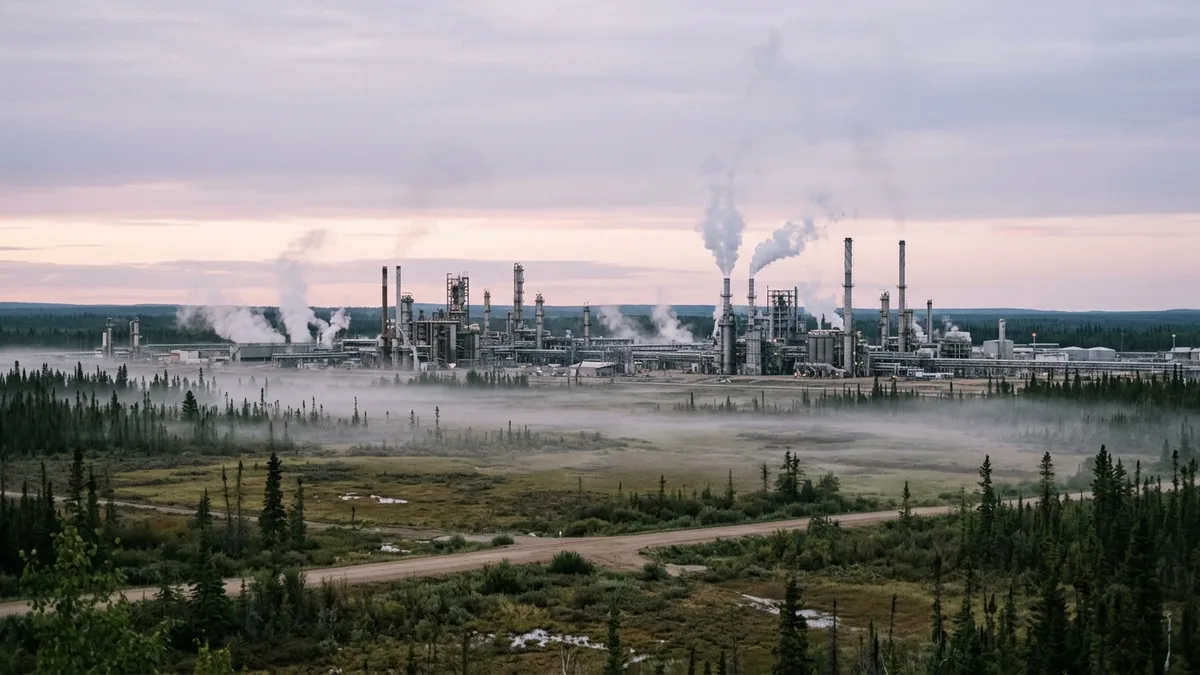
According to the Financial Post, the Oil Sands Alliance, which represents five of Canada’s largest oilsands producers, warned Monday that capital investment in the oilsands has nearly halved over the past decade compared to the decade prior, and that Canada risks falling short of its energy security ambitions.
Slow Progress and a Carbon Tax in the Crosshairs
The alliance said progress on a memorandum of understanding with the federal government is moving too slowly, and took direct aim at what it called an “uncompetitive industrial carbon tax.” The group stated, “We are at risk of letting this opportunity pass Canada by,” signaling frustration with the pace of policy action at a time when global energy security is a growing concern.
The warning comes as oilsands operators face pressure to expand production while navigating a policy environment the alliance argues is discouraging the capital spending needed to do so. A near-halving of investment over a decade is a significant contraction for a sector that drives billions in contract work across Alberta and beyond.
What It Means for Subcontractors
- Fewer large projects in the pipeline means less work for field service companies, civil contractors, and equipment operators who depend on oilsands capital programs in the Fort McMurray region and across northern Alberta.
- Carbon tax uncertainty can delay final investment decisions on new facilities and expansions, directly affecting the contract volumes that sustain subcontractor backlogs.
- Watch the MOU talks closely. If a federal-industry agreement does move forward, it could unlock a wave of spending on production expansion, maintenance, and infrastructure, creating contracting opportunities for prepared service companies.
- Pricing your bids for a constrained market matters now. With capital tighter than it was a decade ago, operators are under pressure to cut costs, which typically increases scrutiny of subcontractor rates and scopes.