Oil Theft Surge in West Texas Puts Field Service Companies on Alert
According to OilPrice.com, oil theft in West Texas has surged to the point where federal officials are raising national security concerns, with organized criminal activity targeting production infrastructure across the Permian Basin.
A Growing Problem in the Permian
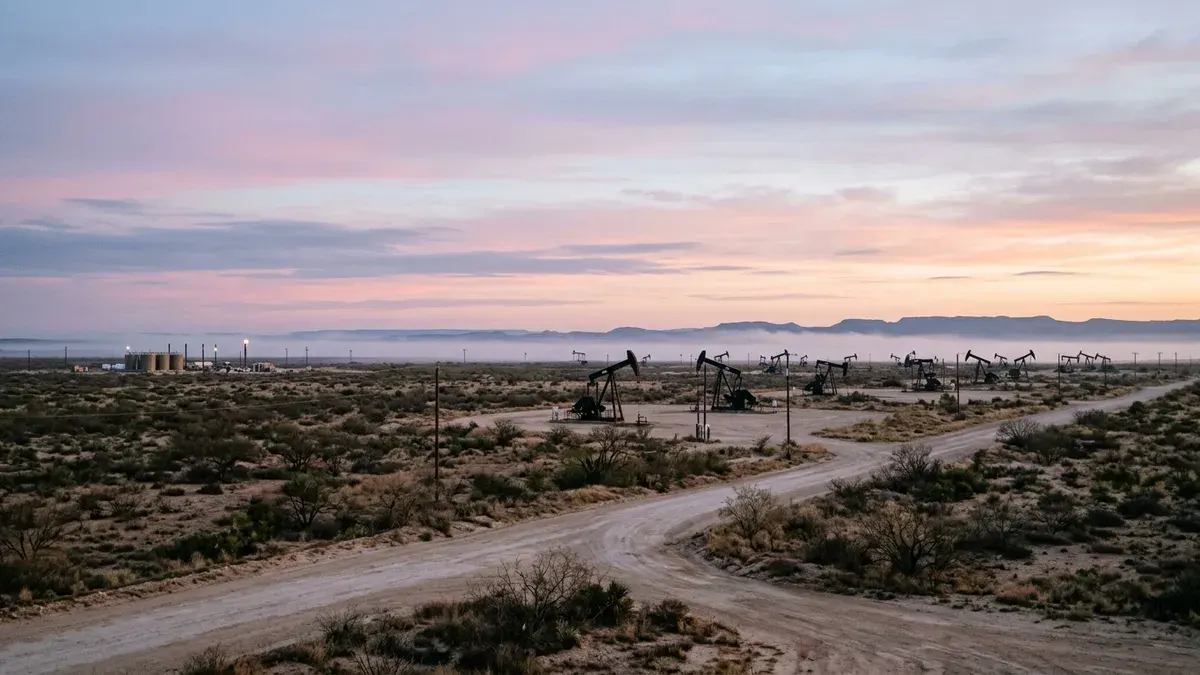
Crude oil theft is not new to West Texas, but the scale and sophistication of recent activity has drawn attention beyond local law enforcement. Organized groups are increasingly targeting tank batteries, pipeline taps, and remote gathering infrastructure, where oversight is limited and response times are slow. The Permian Basin’s sprawling geography, with thousands of unmanned wellsites spread across the Delaware and Midland sub-basins, makes it a difficult area to patrol and monitor consistently.
Federal officials have cited the organized nature of these operations as a factor elevating the activity beyond routine theft to a broader security concern, according to OilPrice.com. While specific theft volume figures were not disclosed in the report, industry estimates have historically placed crude theft losses in the hundreds of millions of dollars annually across US producing regions. Texas Railroad Commission rules require operators to account for production volumes, meaning unexplained losses can trigger compliance reviews that touch every party on a lease, including service contractors.
What It Means for Subcontractors
Field service companies operating in the Permian need to take this seriously. Theft activity affects the job site environment, your liability exposure, and your relationship with operators.
- Document your work thoroughly. If theft occurs near a site where you recently performed work, timestamped records and chain-of-custody logs protect you from being implicated in any investigation.
- Report suspicious activity. Operators expect contractors to be eyes on the ground. Unfamiliar vehicles, unauthorized personnel, or tampered equipment should be reported immediately to the lease operator and, if warranted, to the Texas Department of Public Safety or local sheriff.
- Review your contract terms. Some master service agreements include language holding contractors partially responsible for losses that occur during their service window. Know what you signed.
- Expect tighter access controls. Operators responding to theft concerns may add gate codes, cameras, or check-in requirements at wellsites. Build extra time into mobilization schedules accordingly.
- Coordinate with your insurance broker. If you store client product, handle tanks, or operate on remote sites, confirm your general liability and inland marine policies address theft-related claims.