CERAWeek 2026: Gas Demand Surge Points to Infrastructure Buildout, Regulatory Bottlenecks
According to World Oil, natural gas dominated key discussions at CERAWeek 2026, hosted by S&P Global in Houston last week, with executives pointing to regulation and infrastructure constraints as the primary obstacles to meeting rapidly growing demand from AI data centers and domestic power markets.
Market Impact
Expand Energy Executive VP and COO Josh Viets told the conference that resource supply isn’t the limiting factor. “For what’s in the ground, I still think we have a super-abundance of molecules,” he said, but added that regulation “ultimately becomes the bottleneck for providing the energy that the world needs.”
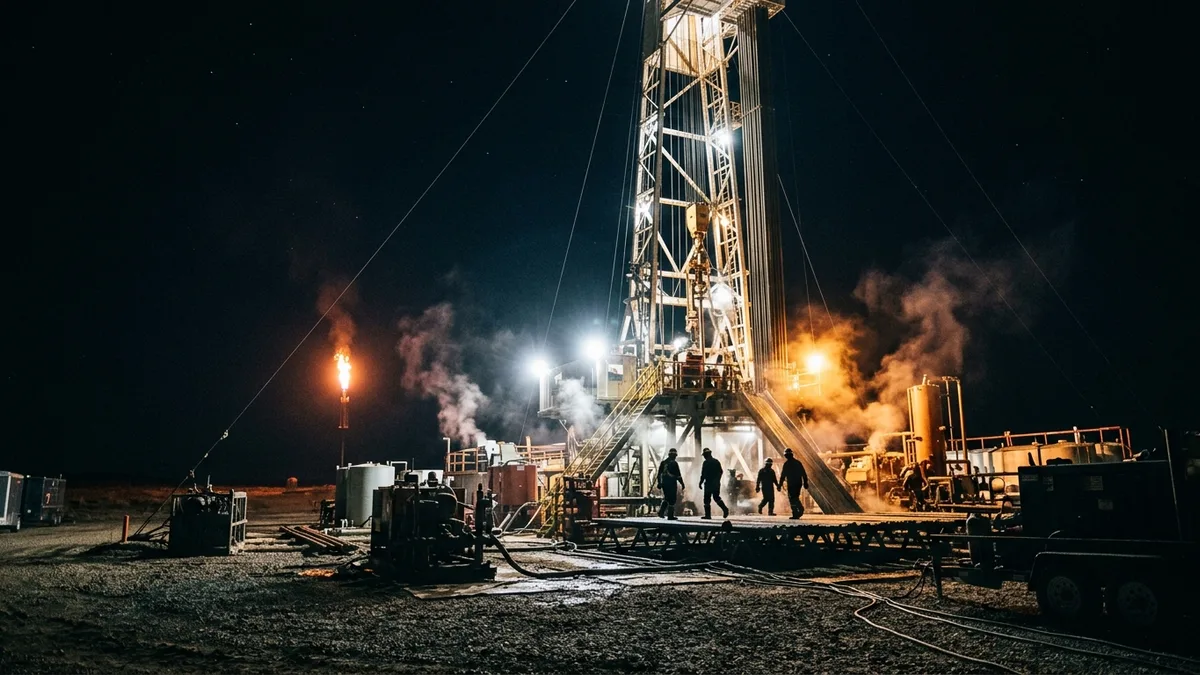
Viets also pushed back on the idea that the Permian Basin can carry the load alone. “The Permian gas alone is not enough. I think you’re going to see basins like Haynesville play a huge role,” he said, also flagging Woodford and Barnett intervals as gassier reservoirs gaining attention from producers. The US Energy Information Administration has noted that shale production is maturing, and Viets acknowledged that Tier One inventories are showing “degradation in returns,” not rock quality.
On the commercial side, Aethon President and Partner Gordon Huddleston noted that AI-sector buyers are pushing for long-term gas supply contracts, saying “you’re seeing a desire for some kind of long-term contracts.” He cautioned that broader uncertainty remains: “What does the government look like in ten years? There’s quite a large uncertainty band.”
What It Means for Subcontractors
- Basin diversification is coming. If Haynesville, Woodford, and Barnett intervals are positioned for growth alongside the Permian, field service companies should track where new drilling programs are being permitted and position accordingly.
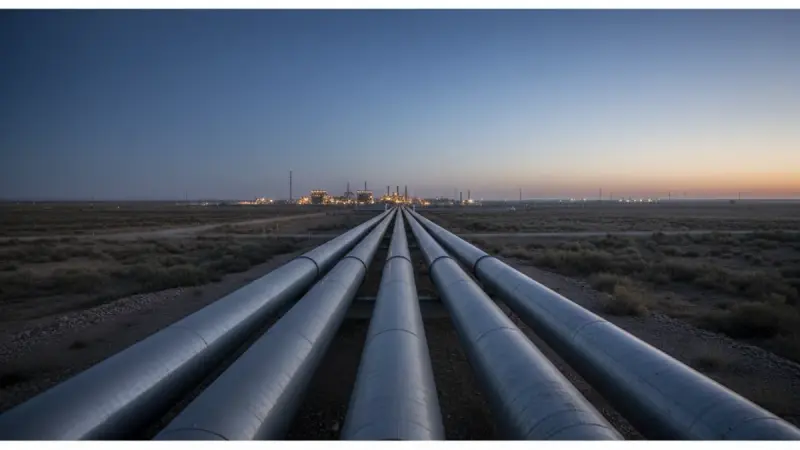
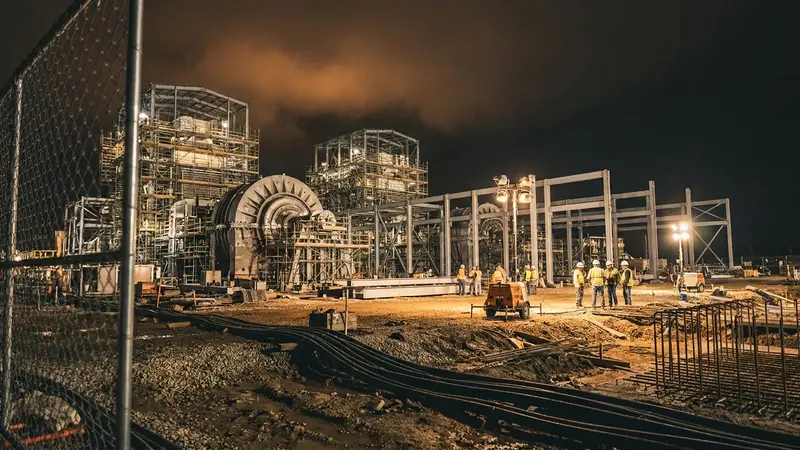
- Infrastructure work is the near-term opportunity. Panelists flagged that natural gas infrastructure needs major reinforcement to serve both data center demand and domestic power needs. Pipeline, compression, and midstream construction work could accelerate across multiple regions.
- Regulatory delays are a real schedule risk. Permitting bottlenecks flagged at the executive level will trickle down to project timelines. Subcontractors should build contingency into bids tied to new pipeline or production infrastructure and monitor FERC and state-level permitting activity closely.
- Long-term contracts favor stable service providers. As producers seek steady, contracted gas sales, they’ll favor service companies with consistent track records. Reliability and continuity are selling points when operators are committing to multi-year production plans.