Federal Government Sets 2030 Deadline for Churchill LNG Port, Kinew Warns
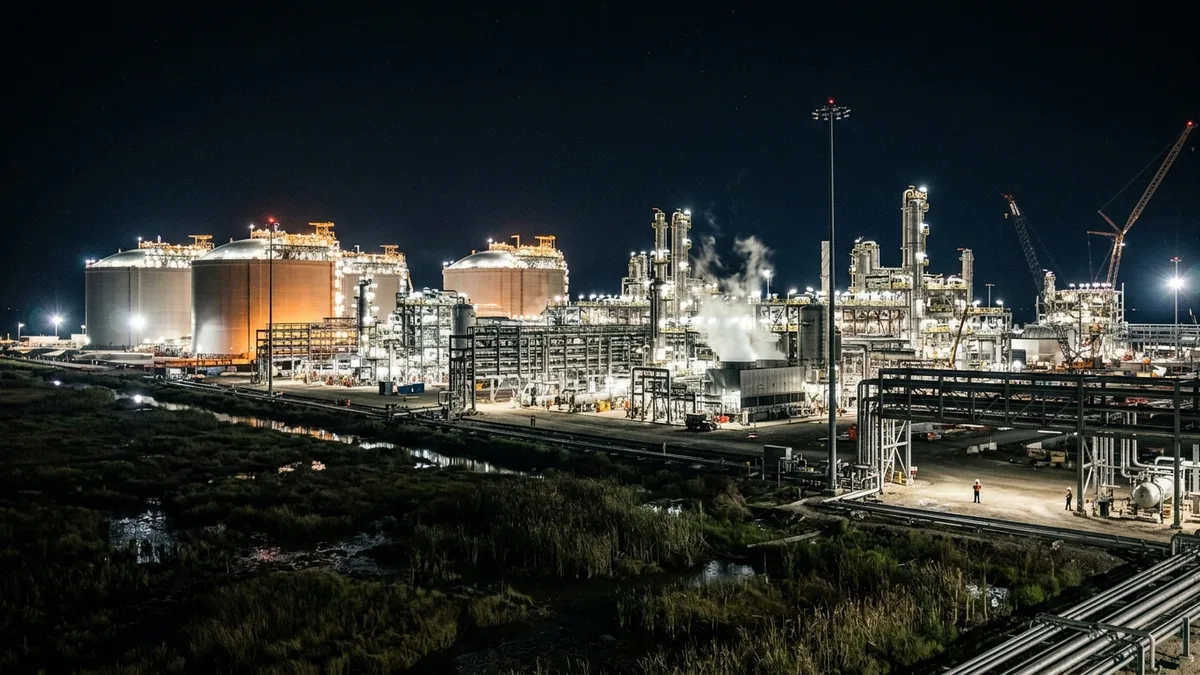
According to a Canadian Press report via BOE Report, Manitoba Premier Wab Kinew says the federal government has tied its support for the Port of Churchill expansion to a 2030 deadline for LNG shipping, warning the province that missing that window could cost Manitoba the project entirely.
A Four-Year Window for a Major Infrastructure Push
Kinew met with Prime Minister Mark Carney in Ottawa this week to discuss expanding the Port of Churchill as part of a northern trade corridor that could include a pipeline to move energy from Western Canada. Kinew described the timeline Carney presented as “aggressive,” saying he interpreted the prime minister’s comments as an ultimatum: get LNG flowing within four years, or federal support walks.
“The federal government has made it very clear, they want to build big things and they want to build things fast,” Kinew told reporters Friday. “If it gets bogged down and doesn’t move forward in that timeline, then the ship will probably sail and Manitoba won’t see that benefit.”
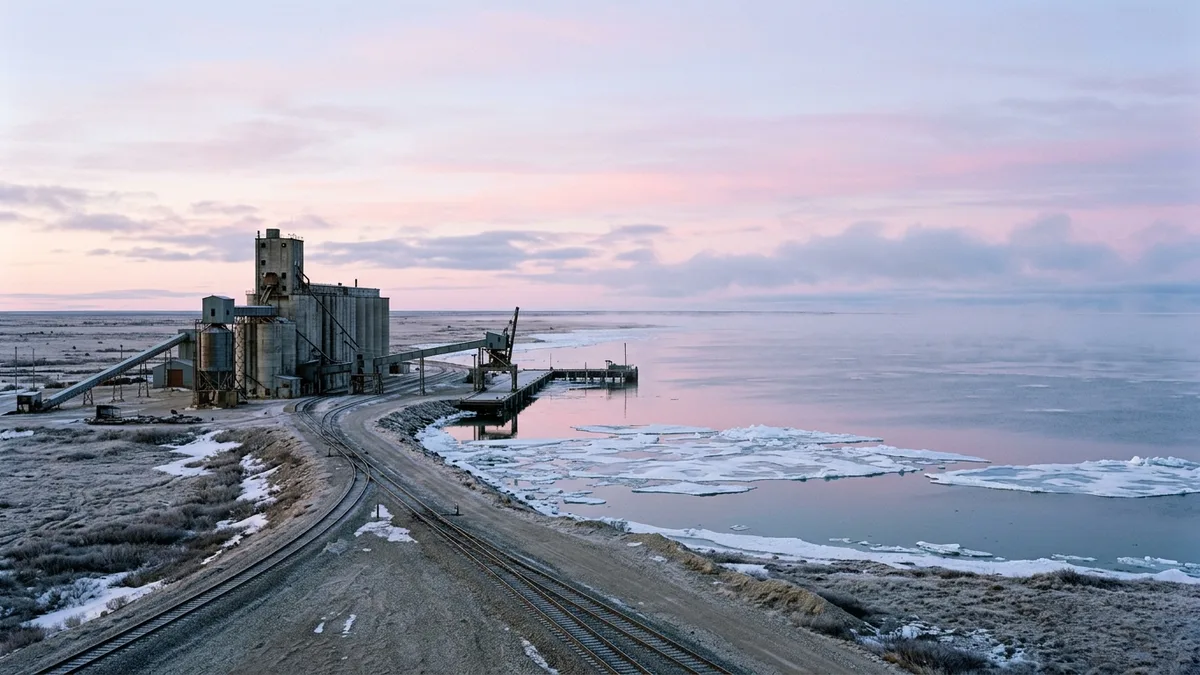
The federal government has set a national goal of 50 million tonnes per year in LNG production by 2030. The Churchill project was among several shortlisted by Ottawa last year as “transformative,” but the source notes that major improvements to rail, port, and other infrastructure would be required. Studies are currently underway to assess private-sector interest and the feasibility of using icebreakers to extend the port’s short shipping season. Churchill is a town of 900 people on Hudson Bay, and has long been positioned as a potential Arctic shipping route to Europe.
What It Means for Subcontractors
- A confirmed 2030 deadline compresses the planning and procurement cycle significantly. Field service companies, particularly those with rail, port construction, or pipeline experience, should be tracking this project closely now, not in 2027.
- The project as described would require work across multiple disciplines: rail upgrades, port infrastructure, and potentially pipeline construction through northern Manitoba. Subcontractors with cold-weather and remote-site experience in Western Canada are best positioned to compete.
- Studies gauging private-sector interest are already underway. Firms that engage early with project proponents or provincial authorities have the best chance of influencing scopes of work and getting onto approved vendor lists before the rush.
- The US trade dispute is cited as a driver of renewed interest in Churchill as an alternative export route. That political pressure makes federal funding more likely in the near term, which raises the probability this project moves from study to procurement faster than typical northern infrastructure timelines.