ERCOT Approves "Batch Zero" Large-Load Interconnection Process as 438 GW Queue Piles Up
According to Utility Dive, the Public Utility Commission of Texas approved new rules on June 18, 2026, directing ERCOT to begin processing large-load interconnection requests through a structured batch review system. The first cohort of projects to move through that system has been designated “Batch Zero,” and it marks the official starting gun on what could be one of the largest waves of electrical infrastructure buildout Texas has ever seen.
Background
ERCOT is currently tracking more than 438 GW of large-load interconnection requests, according to Utility Dive. Nearly 90% of those requests come from data centers. To put that in perspective, that’s an enormous concentration of demand from a single sector, and it overwhelmed the old approach of reviewing projects one by one, which ERCOT described as “lengthy and repetitive.”
Under the new framework, ERCOT will study projects of 75 MW or larger in groups rather than individually, assessing the full picture of future electricity demand at once. Batch Zero applicants will be notified of their inclusion in the initial study in August, with a final transmission plan expected in the fall of 2027. Applications for the next cohort, Batch 1, are expected to open in the summer of 2027.
ERCOT President and CEO Pablo Vegas called the moment historic. “Texas is experiencing an energy transformation unlike anything we have seen before,” Vegas said in a statement cited by Utility Dive. “This new process represents a fundamental shift in how ERCOT manages the significant growth of large load interconnection, providing a structured, transparent path forward.”
The Texas action also coincides with a broader federal push. According to Utility Dive, the Federal Energy Regulatory Commission concluded on the same day that most grid operators’ existing rules for large-load interconnections are insufficient, directing them to develop their own data center interconnection rules based on regional needs.
And the demand signals keep coming. Utility Dive reported that Microsoft announced plans to build a 2 GW data center in Pecos, Texas, with the company funding all of the energy infrastructure.
Analysis
The approval of Batch Zero is less a policy footnote and more a project pipeline announcement. ERCOT’s own data, as reported by Utility Dive, shows the majority of large-load applicants expect to be operational by 2030. That’s a compressed construction window measured in years, not decades, and Texas infrastructure is already straining under current demand.
The batch review model is significant for subcontractors beyond just the headline numbers. By moving away from project-by-project evaluation, ERCOT is essentially signaling where transmission capacity will and won’t be developed. Batch Zero will produce a transmission plan by fall 2027, which means developers, utilities, and eventually their subcontractor supply chains will have a geographic and technical roadmap to work from. Projects that clear the process will have a clearer path to financing, permitting, and construction. Projects that don’t will stall.
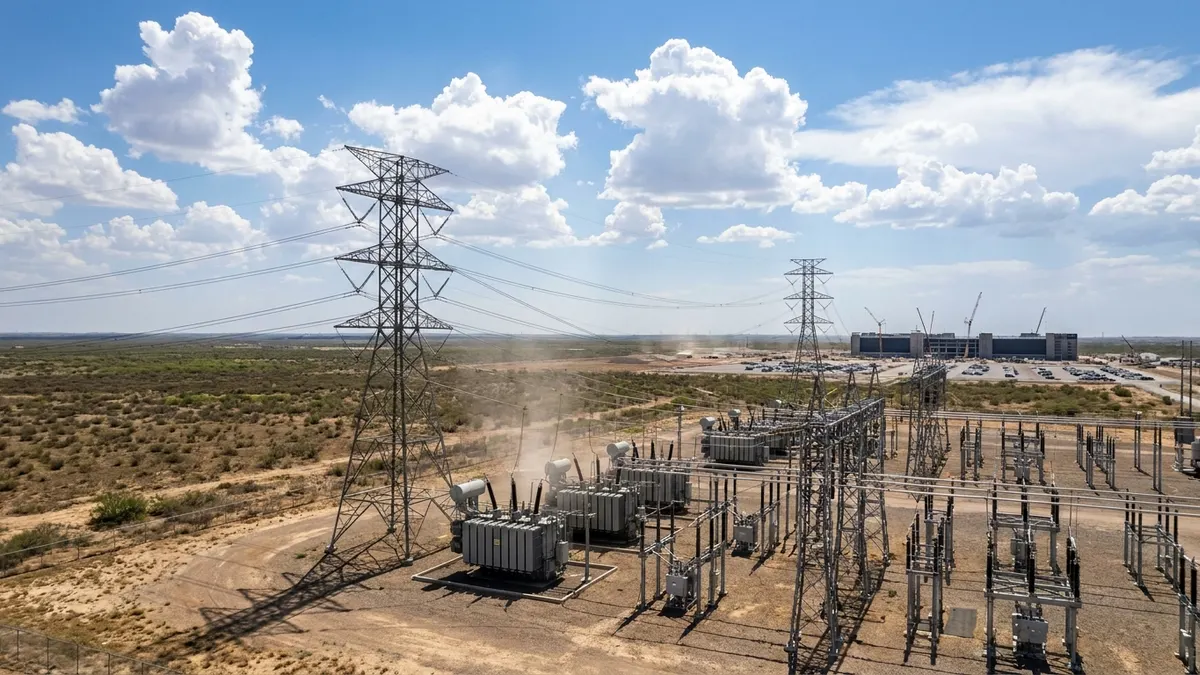
The concentration of demand in data centers also tells a specific story about the type of work that’s coming. Data centers at the 75 MW-and-above threshold require heavy electrical infrastructure: high-voltage switchgear, transformer installations, substation construction, underground conduit systems, and backup generation. They also require the civil work that precedes all of it, including grading, foundation work, and utilities coordination. The Microsoft announcement in Pecos, a relatively remote West Texas location, is a preview of the site conditions subcontractors may encounter: greenfield buildouts far from existing transmission, in areas without deep local labor pools.
The PUCT’s decision to establish Batch Zero principles as the foundation for an “ongoing, comprehensive transmission planning process,” as reported by Utility Dive, suggests this isn’t a one-time event. The batch system is designed to repeat. That means the project pipeline isn’t a single surge but a sustained cycle of interconnection reviews, transmission upgrades, and facility construction extending well past 2030.
What It Means for Subcontractors
- Electrical subs should watch the Batch Zero transmission plan closely. When ERCOT publishes its final plan in fall 2027, it will identify where new or upgraded transmission infrastructure is needed, and that’s where substation and line work contracts will flow.
- Civil and site prep contractors should track data center land announcements now. Projects don’t appear on bid boards the day they’re approved. The Microsoft Pecos announcement and others like it are early indicators of where grading, foundation, and underground utility work will be needed in the next two to four years.
- Firms without large-load experience should start building it. Projects of 75 MW and above operate at a different scale than commercial construction. Subcontractors who invest now in relevant certifications, equipment, and bonding capacity will be better positioned when Batch Zero projects move to procurement.
- West Texas and rural corridors deserve attention. The remote location of projects like the Pecos data center signals that not all this work will concentrate in the Dallas-Fort Worth or Houston metros. Firms with the ability to mobilize in remote, low-infrastructure environments will have less competition.
- The 2030 operational target is the real deadline. ERCOT noted that most applicants expect to be online by 2030. Working backward from that, construction windows for major facilities are likely to open in 2027 and 2028, making the next 12 to 18 months the prime time to pursue relationships with data center developers and their general contractors.