Emails Show How Virginia Regulators Downplayed Data Center Health Concerns
According to Politico, internal emails obtained through a public records request show Virginia’s Department of Environmental Quality (DEQ) moved quickly to counter a health-risk analysis of a Loudoun County data center that generates its own power. When DEQ director Michael Rolband received the Piedmont Environmental Council’s analysis, he forwarded it to seven staff within five minutes and told them the council “wants to criticize DEQ” and that the agency “must take the time to do a defensible critique.”
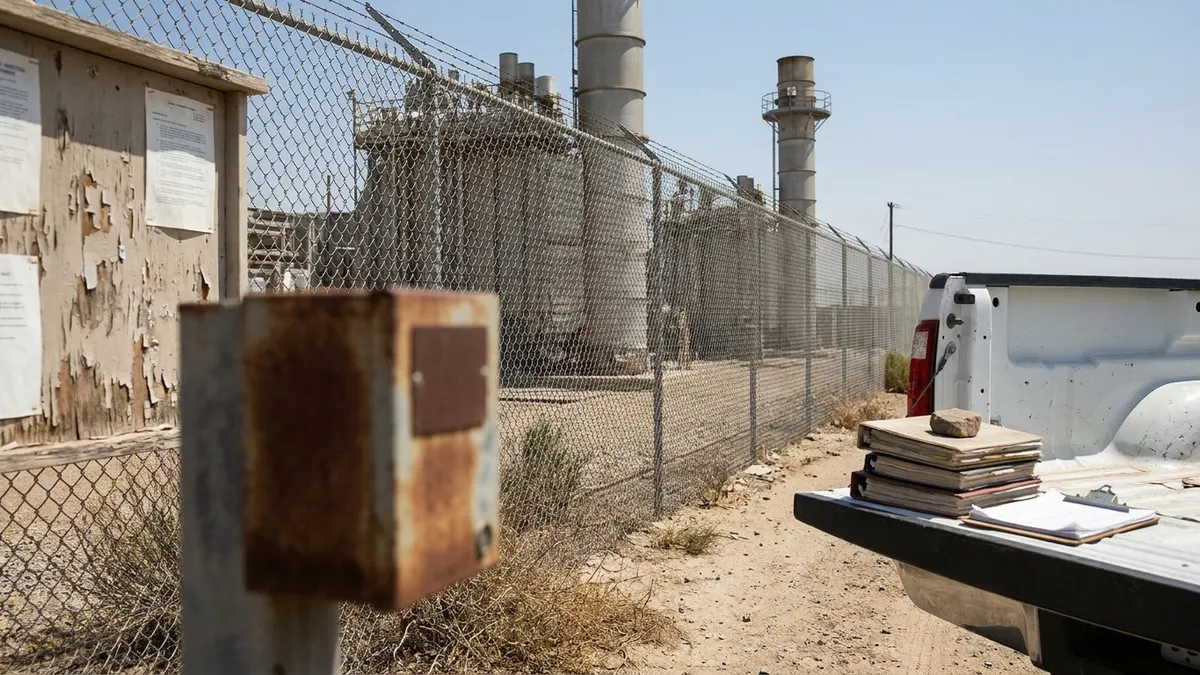
The facility in question, owned by Vantage Data Centers in Sterling, is the only data center in Virginia powering itself, running eight bus-sized natural gas turbines plus dozens of backup diesel generators. DEQ’s 2023 permits allow cumulative emissions of 95 tons per year of nitrogen oxides and more than 56 tons of soot, both linked to asthma and heart attacks. The Piedmont-commissioned report estimated the facility’s emissions could cause tens of millions of dollars in health damages and 3.4 to 6.5 premature deaths annually for nearby residents.
DEQ’s pushback focused on whether the report’s modelling overstated risk by using the maximum pollution allowed under the facility’s permit rather than actual emissions, and questioned findings given that Loudoun County soot levels are within EPA limits. Health experts told Politico that soot pollution can harm health even at EPA-approved levels, and noted the World Health Organization’s ambient soot standard is roughly half of what the EPA allows. Robert Burnley, who led DEQ from 2002 to 2006, called the agency’s counter-report “unusual” and said it amounted to “editorializing,” adding that DEQ “is not the health department.” The emails show Rolband shared DEQ’s report with Vantage and the Data Center Coalition industry group, which then circulated it to reporters and lawmakers as evidence the Piedmont analysis was wrong. Virginia has more than 600 data centers, with dozens of proposed projects seeking a combined 70 gigawatts of grid connection, roughly equivalent to 70 nuclear plants.
What It Means for Subcontractors
Virginia’s handling of one gas-turbine-powered data center is a preview of the environmental and regulatory scrutiny likely to follow AI-driven data center construction elsewhere. Contractors bidding on self-generation or on-site power projects for hyperscale campuses should expect permitting fights and public-records exposure to become a standard part of the approval timeline, not an exception.