Data Center Cancellations Double to 16 in Q3 as Local Opposition Grows
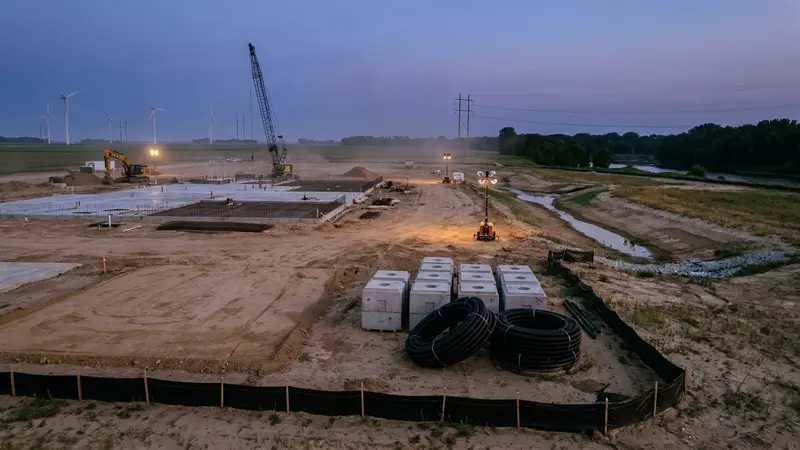
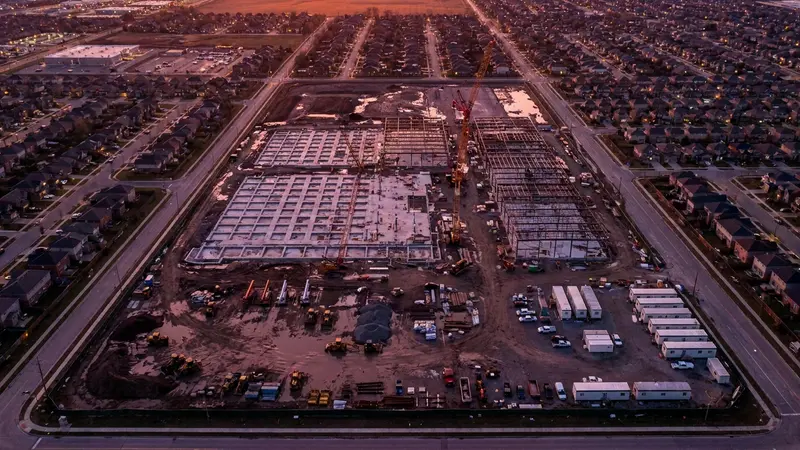
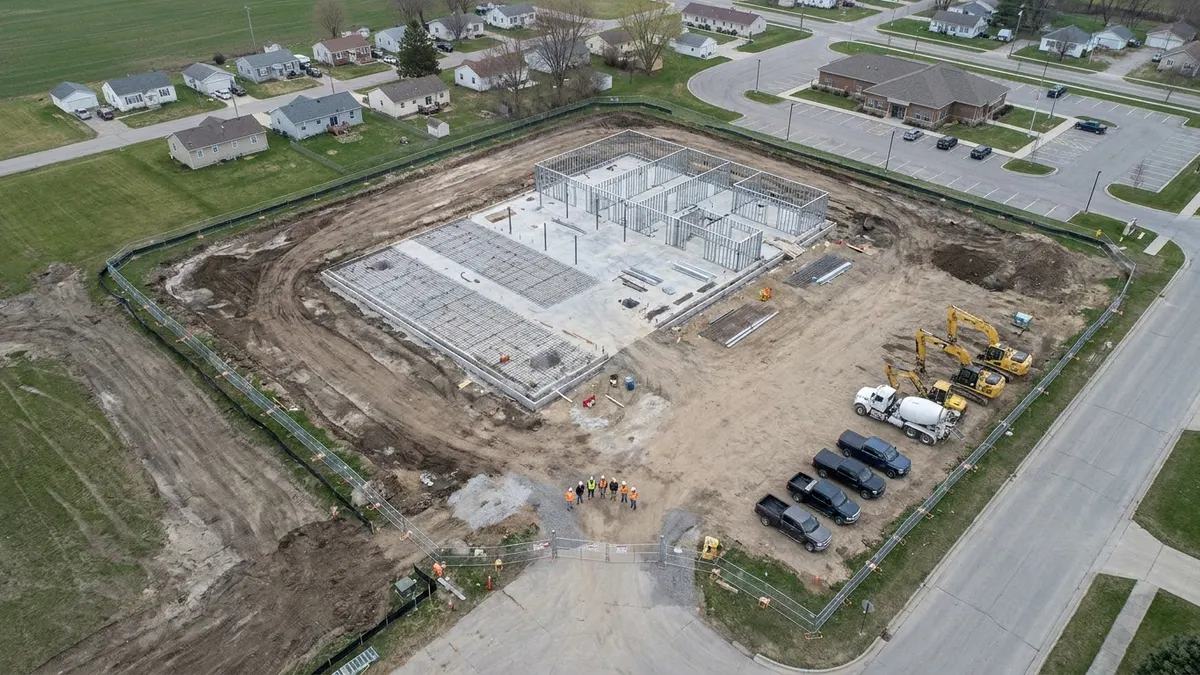
Sixteen U.S. data center projects were canceled in the third quarter, more than double the seven in the same period of 2025, Construction Dive reports, citing data from Relae, the firm formerly known as Carbon Direct.
Market Impact
Relae estimates the 16 stopped projects represented $64 billion in planned investment. Its tracker counts 70 projects “blocked, withdrawn or stalled since 2024,” tied to $271 billion in estimated or announced investment.
FIND: The 46 of 47 passed measures show voter mood is not a safe bet in any county
Local governments did most of the stopping. Seven projects ended with formal denials and four with zoning bans. The other five were developer withdrawals. Relae says lack of transparency was the top community concern, a leading or secondary theme in 34 of the 44 stopped projects it analyzed.
The opposition is also showing up at the ballot box. Voters approved measures restricting data center development in jurisdictions across 10 states. Of 47 local ballot measures on data centers in the latest election, 46 that would limit or ban development passed, per Relae. An NBC exit poll found 76% of voters opposed new data centers in their communities.
Relae says local opposition is “not inherently a broad referendum on AI, although this could quickly change.” It argues most community concerns are within a project team’s control.
What It Means for Subcontractors
This quarter (live contracts and bids):
- Payment protection: On any data center scope not yet mobilized, ask the owner or GC for a deposit or mobilization payment before ordering long-lead material or moving crews. Most Q3 stoppages came from local government action, which can land after a project is announced.
- Contract terms: Confirm termination-for-convenience language before signing. Check that it covers demobilization costs, material already ordered, and work in place. Civil, electrical, and mechanical subs with early site packages carry the most exposure.
- Entitlement status: Ask the GC whether zoning and permit approvals are final or still pending. Denials and zoning bans were the main cause of Q3 cancellations. Check the local planning commission or city council agendas for the project’s jurisdiction yourself.
- Owner type: The source does not say which cancelled projects were speculative developments versus hyperscaler-backed. Our read, not the source’s: a speculative owner with no committed end user is a weaker credit than a hyperscaler-backed one, so ask who the end user is and who guarantees payment.
Position for later (backlog planning):
- Pipeline discounting: Don’t count every announced data center in your backlog. With 70 projects stopped, blocked, or stalled since 2024, apply a haircut to anything still in the entitlement stage.
- Ballot-measure exposure: The 46 of 47 passed measures show voter mood is not a safe bet in any county. Review your pipeline by jurisdiction, especially in states where measures already passed. The source does not name those 10 states.
- Transparency as a signal: Projects that engage communities early appear less likely to stall, per Relae’s findings. Favor owners and GCs that do.