Construction Wage Growth Holds Above 4% as Labor Crunch Persists Into 2027
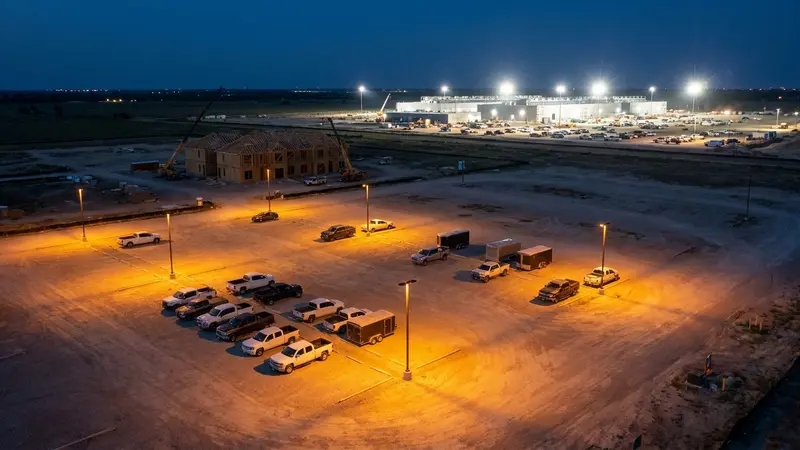
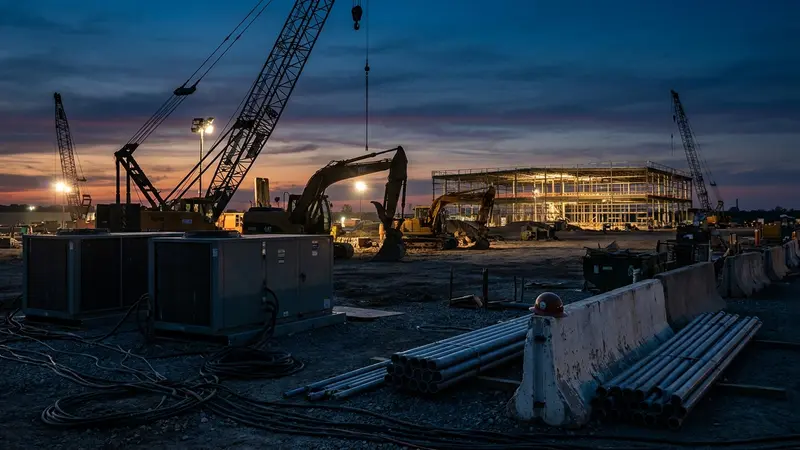
Construction wages are not cooling off, and that’s a problem subcontractors need to bake into 2027 bids now rather than later. ENR’s latest quarterly cost report shows both union and merit-shop wages climbing above 4% again this year, with construction unemployment hitting an all-time low of 3.1% in August, a trend driven largely by data center construction demand and tighter immigration enforcement thinning the available labor pool.
Background
According to ENR, the Associated General Contractors of America found that the industry added 120,000 jobs since August 2025, a 1.5% gain that outpaces the 0.4% growth in total nonfarm payroll employment. AGC’s workforce survey also found contractors “struggling to fill openings amid surging demand for data center construction and a crackdown on immigration.”
On the union side, ENR reports that first-year settlements averaged 4.9% in the first half of 2026, according to the Construction Labor Research Council, extending three straight years of increases in the 4.5% to 4.7% range. CLRC senior data analyst Matt Minarik told ENR that some employers front-loaded raises to account for inflation, and forecasts that first-year increases could hold flat or dip slightly in 2027 and 2028. Regionally, the Northeast jumped from the lowest first-year increases in 2025 (4.4%) to the highest in the first half of 2026 (5.8%), while the Northwest flipped the other direction, dropping from 5.6% to 4.3%.
By trade, ENR’s data shows Carpenters (7%), Plumbers (5.9%), Sheet Metal Workers (5.6%), Teamsters (5.5%) and Bricklayers (5.1%) posting the largest first-year gains so far this year. Roofers (2.9%) and Plasterers (4.2%) sit at the low end.
On the merit-shop side, ENR cites the 2026 Merit Shop Wage and Benefit Survey from consulting firm PAS, which found firms gave an average 4.1% increase in 2025 across all trades and initially forecast 3.9% for 2026. PAS president Jeff Robinson told ENR he now expects 2026 to land flat with 2025 at 4.1%, with electricians specifically forecast at 4.3%, a number he called potentially conservative. Among contractors with revenue of $50 million or higher, the average electrician wage increase hits 6.7%, with a median of 8.8%, according to PAS data cited by ENR.
Analysis
The throughline in ENR’s report is that this isn’t broad wage inflation, it’s concentrated pressure on specific trades and specific markets. Turner Construction managing director Jerry Crawford told ENR the highest pressure is around MEP trades tied to data centers, power and advanced manufacturing projects, not a uniform spike across the trade base. That distinction matters for how subcontractors build 2027 budgets: a general contractor bidding a multifamily job in a market without data center activity may see wage growth closer to the 4.1% merit-shop average, while an electrical or mechanical sub chasing hyperscale data center work should expect costs closer to the 6.7% to 8.8% range PAS is tracking among large contractors.
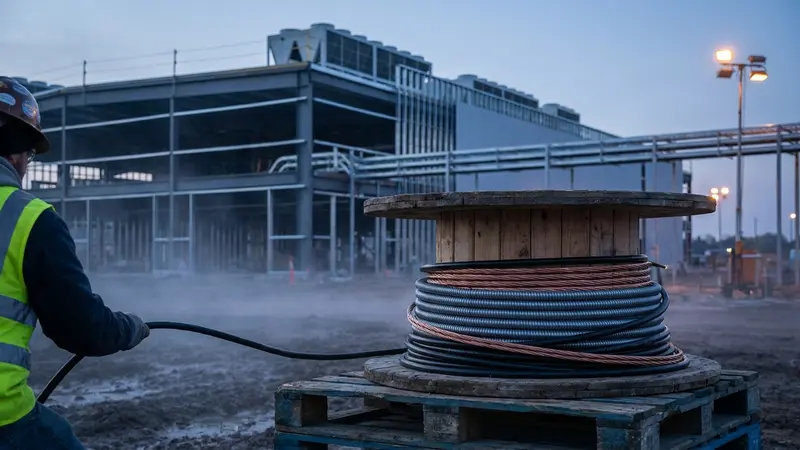
AGC chief economist Ken Simonson’s framing to ENR, that there’s “tremendous demand for electricians, HVAC and plumbing folks who can build data centers and are willing to move to wherever the data centers are going to be next,” points to another cost driver beyond base wage rates: mobility premiums. Crews willing to relocate or commute long distances to chase data center and power projects can command a premium, and subcontractors competing for that labor without offering travel pay or per diem risk losing crews to firms that do.
The CLRC data also signals that the worst of the first-year settlement spike may have peaked. Minarik’s forecast of flat or slightly lower first-year increases in 2027 and 2028 suggests some stabilization is coming, but “stabilization” here means holding near 4% to 5%, not a return to pre-pandemic wage growth. Subcontractors locking in multiyear labor agreements or long-term crew commitments should build their out-year escalation assumptions around CLRC’s total package figure of 4.1%, not the higher first-year number, since later contract years historically run lower.
What It Means for Subcontractors
- Electrical, mechanical and plumbing subs bidding data center, power or advanced manufacturing packages should model wage escalation closer to 6.7% to 8.8% (large-contractor electrician data from PAS) rather than the 3.9% to 4.1% merit-shop average, especially for 2027 contract pricing.
- Subs in the Northeast (Conn., D.C., Del., Maine, Md., Mass., N.J., N.H., N.Y., Pa., R.I., Vt.) should account for the jump to 5.8% first-year union increases in the first half of 2026, a sharp rise from 4.4% in 2025, when pricing labor into new bids.
- Carpentry, plumbing, sheet metal, and bricklaying subcontractors negotiating new union agreements this year face first-year settlement pressure in the 5.1% to 7% range and should factor that into 2027 project bids now.
- Firms competing for MEP crews in data center markets should budget for mobility incentives (travel pay, per diem, relocation costs) since AGC’s Simonson notes workers are relocating to chase data center demand, not just commanding higher base wages.
- Smaller subcontractors (under $50 million in revenue) should note that AGC data shows larger firms are more likely to be adding headcount while smaller firms are more likely to shrink, signaling that crew retention and recruiting budgets may need to increase disproportionately for smaller shops to stay competitive into 2027.