Construction Input Costs Jump 11.9% as Price Pressures Spread Across Industry
The producer price index for inputs to new nonresidential construction jumped 11.9% from September 2025 to September 2026, the most in four years, according to an Associated General Contractors of America analysis of government data released Oct. 15.
Market Impact
AGC said construction firms appear to be absorbing most of the increases because demand for construction projects is soft outside data centers. That limits how much of the cost can be passed into bid prices.
Petroleum products saw the largest increases. The producer price index for diesel fuel, measured at the refinery or fuel terminal, more than doubled over 12 months, rising 115.2%. Liquid asphalt rose 17.7% year over year, and truck transportation of freight rose 19.3% as carriers passed on fuel costs.
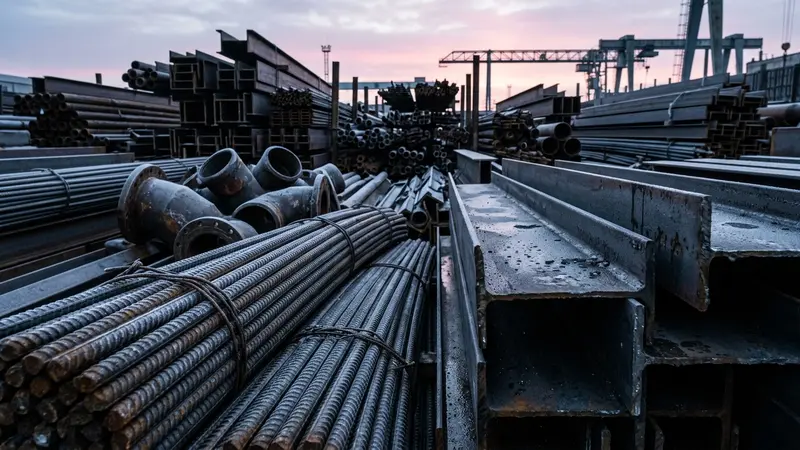
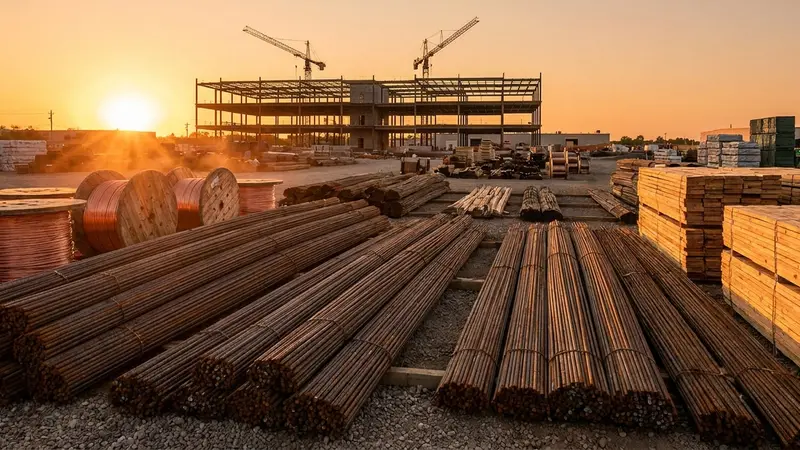
Metals have climbed since tariffs of up to 50% were imposed in 2025. Year-over-year increases were 25.2% for aluminum mill shapes, 27.6% for steel mill products and 30.0% for copper and brass mill shapes. Precast concrete products, which have steel embedded in their shapes, rose 10.5%.
“Construction firms are being hit by a double whammy of tariff- and war-induced materials cost increases as higher metals and fuel costs permeate an ever-wider range of prices,” said Ken Simonson, AGC’s chief economist. “Making matters worse, lead times for key steel components have lengthened, making it harder for contractors to keep projects on schedule.”
Supply, Not Just Price
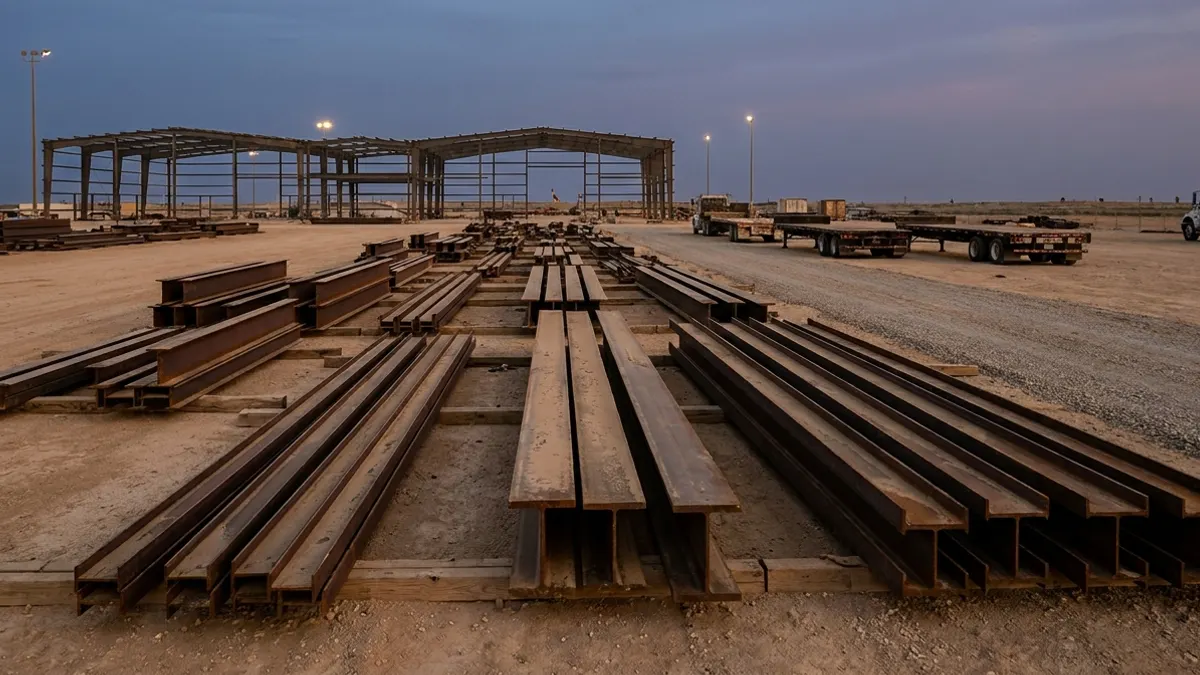
AGC said contractors report extreme difficulty with steel availability as well as pricing. Firms that produce beams and other steel shapes for building frames say their order books are full through the spring of 2027. Some contractors have been told they will receive only a small fraction of the beams they ordered, and alternative suppliers are refusing orders from new customers.
What It Means for Subcontractors
The release does not break out where subcontractors sit in the cost chain, so the following is our read. Fuel, freight and asphalt are line items for earthwork, paving and hauling crews. Steel, aluminum and copper drive costs for structural, electrical and mechanical scopes. Fixed-price bids written before the spring and summer increases are the most exposed, and long steel lead times raise the schedule risk on top of the price risk. Checking escalation clauses, price-validity windows and material pass-through terms on open bids is the practical step. The PPI figures are national, so local supplier quotes will differ.
Policy Asks
AGC urged federal officials to address both rising costs and soft demand, including working to resolve trade disputes behind many of the tariffs. It also called on Congress to pass a new multi-year surface transportation bill that fully funds road, bridge and transit work. “Public policy uncertainty and instability impedes construction activity. Full stop,” said Jeffrey D. Shoaf, AGC’s chief executive officer. “Resolving trade disputes will ease the price uncertainty that slows private construction.”
AGC’s original release sits behind a members login. The figures above come from the association’s release as republished by AZ Big Media, and the underlying producer price index data comes from the U.S. Bureau of Labor Statistics.