
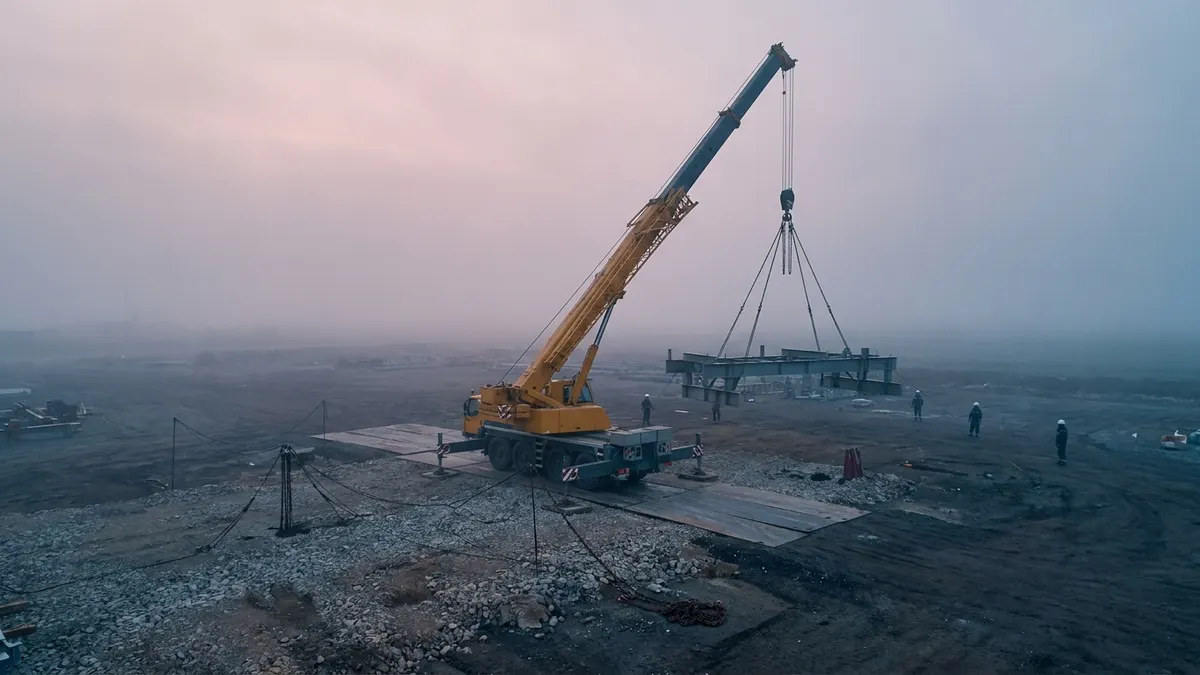
Certification Confirms Function, Not Design Limits, Safety Expert Warns
According to ISHN, equipment certification is widely treated as proof that a machine, lift, or crane is safe to keep running — but the process usually confirms only current condition and function, not whether the equipment is still operating within its original design limits.
Hossein Sadeghi Laghareh, a production and safety professional in BC with an engineering background in manufacturing systems and equipment risk management, writes that inspectors are trained to spot visible damage, wear, and improper operation, and to verify compliance. That work is essential and does prevent failures. But it doesn’t capture what happens when equipment has been modified, repurposed, or pushed into uses beyond what it was originally built for.
A lifting device is the clearest example. It can run smoothly and pass inspection without issue even after attachments have been added, loads have changed, or usage patterns have shifted over years of service — changes that are rarely evaluated from a design standpoint. Certification confirms the equipment is functioning. It doesn’t confirm the equipment is still safe for how it’s actually being used.
The same gap shows up with cranes and material handling systems on construction sites, where load distribution, repeated stress cycles, and earlier modifications can introduce risk that a routine inspection won’t surface. Site conditions compound the problem: cranes, hoists, and lifting systems are frequently used under varying loads, inconsistent ground stability, and temporary configurations that don’t match the equipment’s original design assumptions.
Sadeghi Laghareh frames it as a difference between inspection knowledge and design knowledge. Inspectors assess condition and compliance, often on equipment with a long history of repairs and modifications. Design knowledge — understanding the built-in safety margins and how the equipment behaves under different loading conditions — isn’t always part of a standard certification process.
He identifies four situations where the gap tends to appear: modified equipment changed over time without a full design review, legacy systems still operating reliably but not reflecting current safety expectations, non-standard use outside original purpose, and changing site conditions where setups and loads shift constantly.
His recommendation isn’t to replace certification but to recognize its limits. When equipment has been modified or used well outside its original application, he suggests involving someone with design or engineering knowledge, or simply asking basic questions: Are we still operating within the equipment’s original limits? Have changes affected how loads are applied? Are current conditions different from what the equipment was designed for?
What It Means for Subcontractors
For GCs and subs running cranes, hoists, and lifting equipment on active sites, a current inspection sticker isn’t the whole safety picture. Field service crews should treat any equipment that’s been modified, repaired, or repurposed — or that’s operating under load or site conditions different from its original spec sheet — as a candidate for a design-level review, not just the next scheduled inspection. That’s especially relevant on sites juggling temporary rigging setups, uneven ground, or non-standard lift configurations, where certification can create a false sense of confidence precisely because it’s accurate but incomplete.
