Canadian Oil Production Outpaces Export Capacity, Creating Infrastructure Bottlenecks
According to RBN Energy, Canadian crude oil production has grown faster than the country’s export infrastructure capacity, creating transportation bottlenecks that limit the ability to move oil to international markets.
Infrastructure Constraints
The mismatch between production growth and export capacity has been a persistent challenge for Canadian oil producers, particularly those in Alberta’s oil sands. While production has increased significantly over the past decade, pipeline capacity and other export infrastructure have not kept pace with this growth.
The completion of major pipeline projects like Trans Mountain Expansion has helped alleviate some constraints, but capacity limitations continue to affect pricing and market access for Canadian crude. These bottlenecks often result in discounted pricing for Canadian oil compared to international benchmarks.
What It Means for Subcontractors
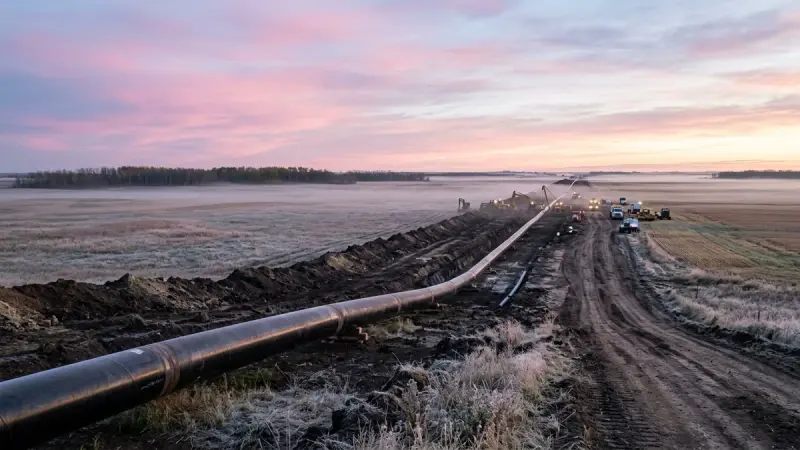
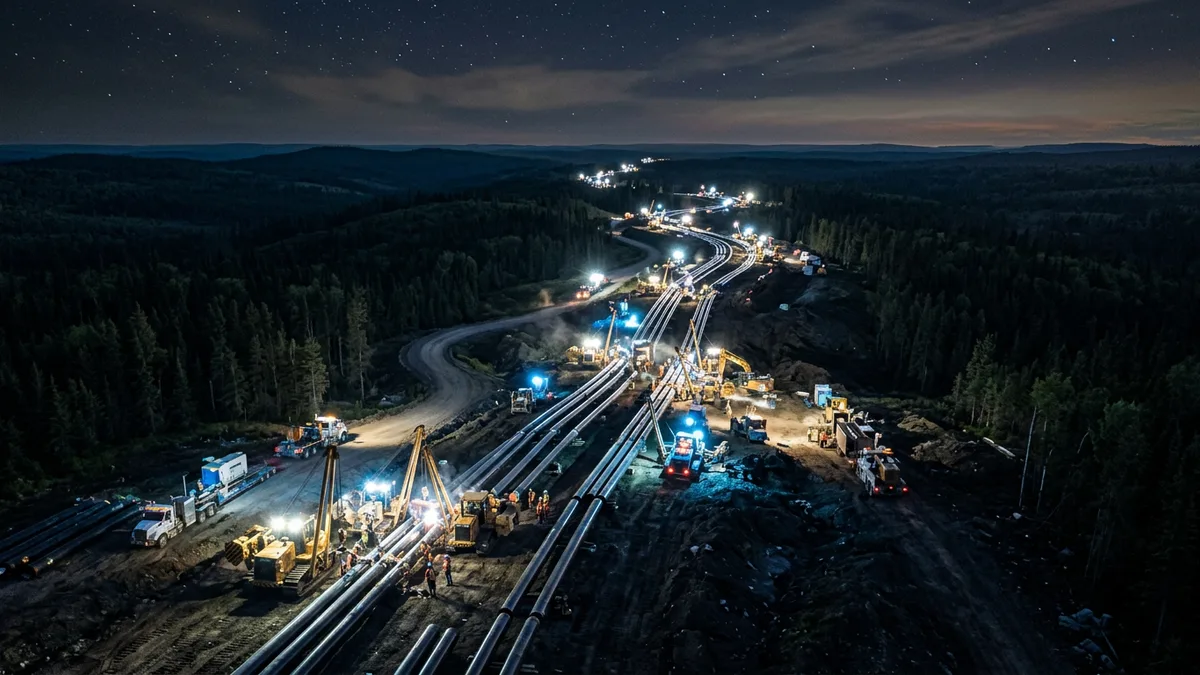
- Pipeline construction and maintenance contractors could see increased demand as Canada works to expand export capacity through new pipeline projects and upgrades to existing infrastructure
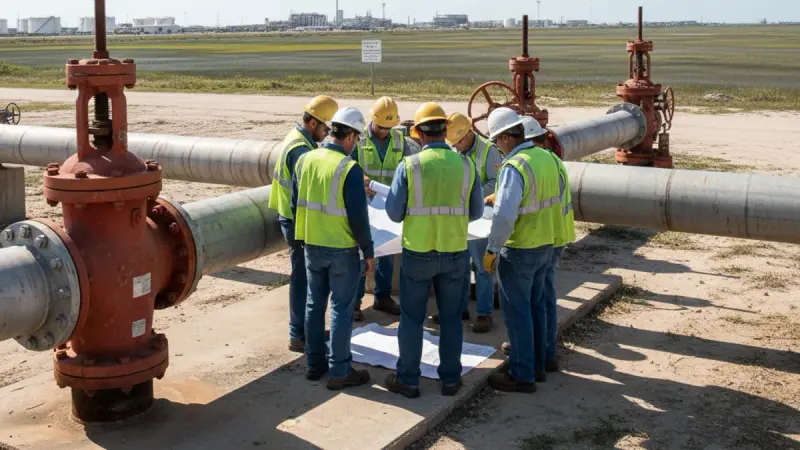
- Midstream service providers may find opportunities in facility expansions, pump stations, and terminal upgrades needed to move more crude to export markets
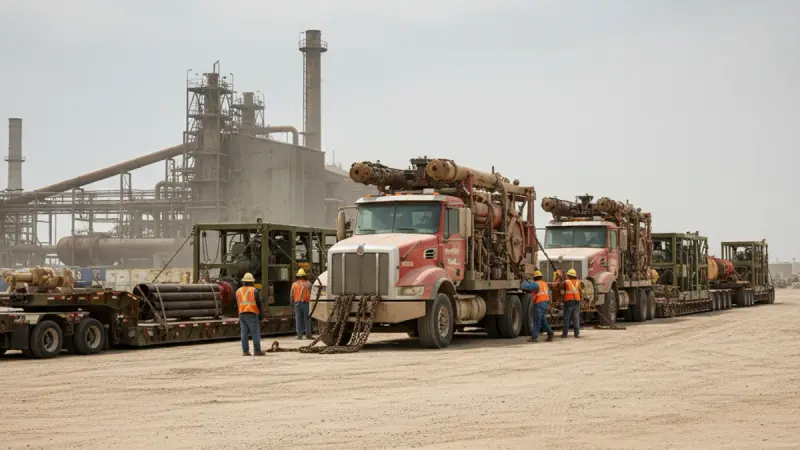
- Rail and truck transportation services could benefit from increased demand for alternative transportation methods when pipeline capacity is constrained
- Storage facility contractors may see demand for tank construction and maintenance as producers need more storage capacity during export bottlenecks
- Environmental and compliance services will likely be needed for new infrastructure projects navigating regulatory approval processes
Note: This analysis is based on the headline only, as the full source content was unavailable. Subcontractors should verify current project opportunities through direct industry sources.