Canada's Northern Build-Out Needs Skilled Trades Now — Subcontractors Who Plan Ahead Will Win the Work
According to a Canadian Press report via the Daily Commercial News, Canada’s northern territories are poised to become one of the most active construction zones in the country, driven by a massive federal push on military infrastructure and civilian projects, but the region’s chronic skilled labor shortage could determine who actually gets the work done.
Background
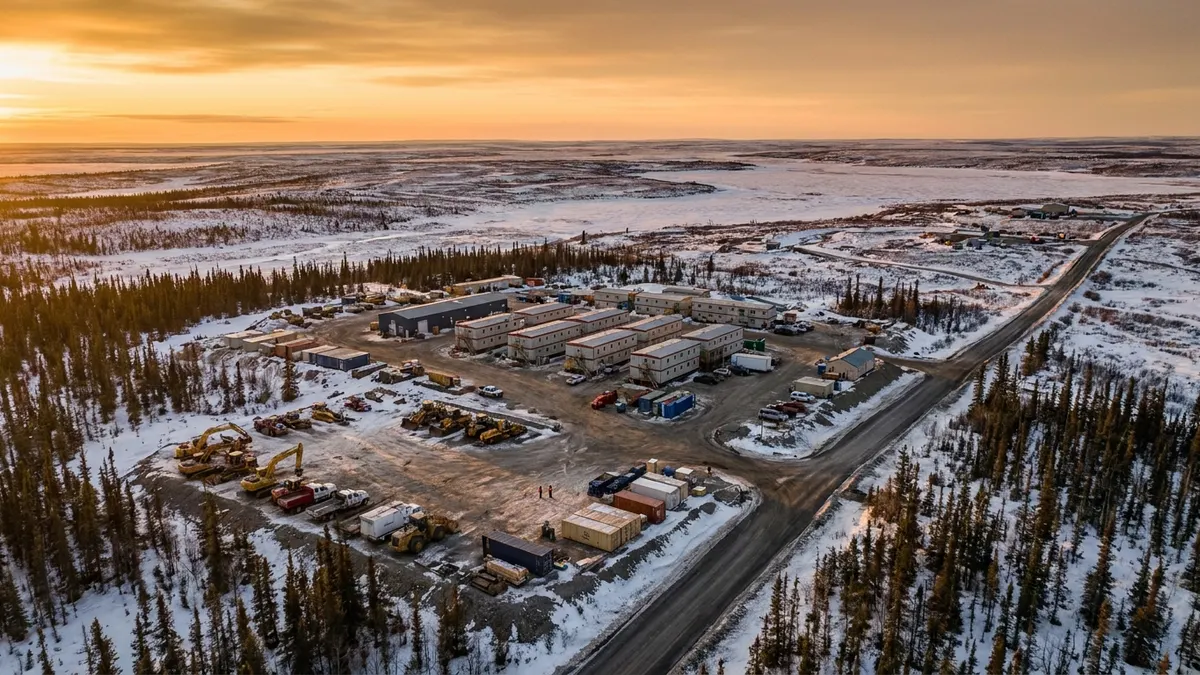
Prime Minister Mark Carney announced more than $35 billion in investments targeting forward operating locations and other military buildouts across the Northwest Territories, Nunavut, and Yukon, according to the Canadian Press report. The announcement came during a March news conference in Yellowknife. The scope of planned work spans roads and ports, hydro dams and power lines, military buildings, and airstrips across a vast and sparsely populated region where skilled workers are already scarce.
Carney acknowledged the complexity directly. “So there’s a need to sequence and augment the construction capacity in the North,” he said, adding that local people need to be engaged and that equipment must be “in the right place at the right time and sequenced across a very vast land.”
Jim Landon, president of ATCO Frontec and a former British army colonel, addressed the Arctic Energy Resource Symposium earlier this year, saying the scale of investment “staggers” him. ATCO Frontec, a unit of Calgary-based ATCO Ltd., provides workforce accommodation and remote-site services. Landon’s comments came shortly after ATCO announced a 40% ownership stake in a Nunavut road-and-port project, itself recently referred to the federal major projects office. He publicly questioned whether southern construction firms and the federal government “really understand the degree of extra cost involved in operating in the North.”
His primary concern: the skilled trades pipeline. “We find it hard recruiting in the North because a lot of the talented people, the kinds of people we’re looking for, are already in employment. And it is really tough to get people through the training programs that we run. It takes time,” Landon said.
Analysis
The gap between ambition and execution here is almost entirely a workforce problem. Canada can announce $35 billion in northern projects, refer them to a major projects office, and sequence the capital, but none of that moves dirt or pours concrete without certified tradespeople who can actually operate in remote Arctic conditions.
What makes this different from a typical labor shortage story is the compounding difficulty of the northern operating environment. Logistical costs are higher. Rotation schedules are longer. Recruiting from the southern labor pool requires incentives that eat into margins. And as Landon pointedly noted, the firms that assume they can just import a southern workforce and plug it in are likely misjudging both the cost structure and the community dynamics of operating in the territories.
The Indigenous equity partnership point is equally important and often underestimated by outside contractors. Landon said he has “raised eyebrows” among general construction firms by emphasizing how critical it is to structure equity partnerships with local Indigenous groups and ensure they share in the benefits. This isn’t just a values statement. In the northern context, Indigenous community relationships directly affect permitting timelines, workforce access, and project social license. Contractors who treat this as a checkbox item will find themselves behind competitors who have built those relationships over years.
The sequencing problem Carney flagged is also a real operational constraint, not just a political talking point. When you’re mobilizing equipment and crews across Nunavut or the Yukon, the logistics chain is long and unforgiving. A crew shortage in one phase doesn’t just delay that phase, it can cascade across an entire project calendar. For subcontractors, that means the premium isn’t just on having workers, it’s on having workers who are trained, ready, and pre-positioned before the contract is even awarded.
This is where southern subcontractors, particularly those in Alberta and BC with remote and northern project experience, have a narrow but real window. The work hasn’t started yet. The planning period is now. Companies that begin workforce development, Indigenous partnership conversations, and northern logistics groundwork today are the ones who will be in a position to bid credibly when RFPs start moving through the major projects office.
What It Means for Subcontractors
- Start workforce planning now, not at bid time. Landon’s quote that training “takes time” is a direct warning. If you wait until contracts are awarded to build your northern-ready trades roster, you’re already behind.
- Remote and Arctic experience is a differentiator. Subcontractors with demonstrated capacity to manage remote camp rotations, cold-weather operations, and long logistics chains will have a competitive edge over firms bidding on paper capability alone.
- Indigenous equity partnerships are not optional. Landon’s pointed remarks about raising eyebrows among general contractors suggest this is still underappreciated. Firms that build genuine, early relationships with northern Indigenous communities will have advantages in workforce access, community support, and potentially in the procurement process itself