Burrard Inlet Dredging Fully Permitted, Work Set to Begin in September
According to a Canadian Press report via BOE Report, the Vancouver Fraser Port Authority has received all federal permits required to dredge Burrard Inlet, clearing the way for larger oil tankers to load more fully at the Trans Mountain pipeline’s Westridge Marine Terminal.
What’s Driving the Project
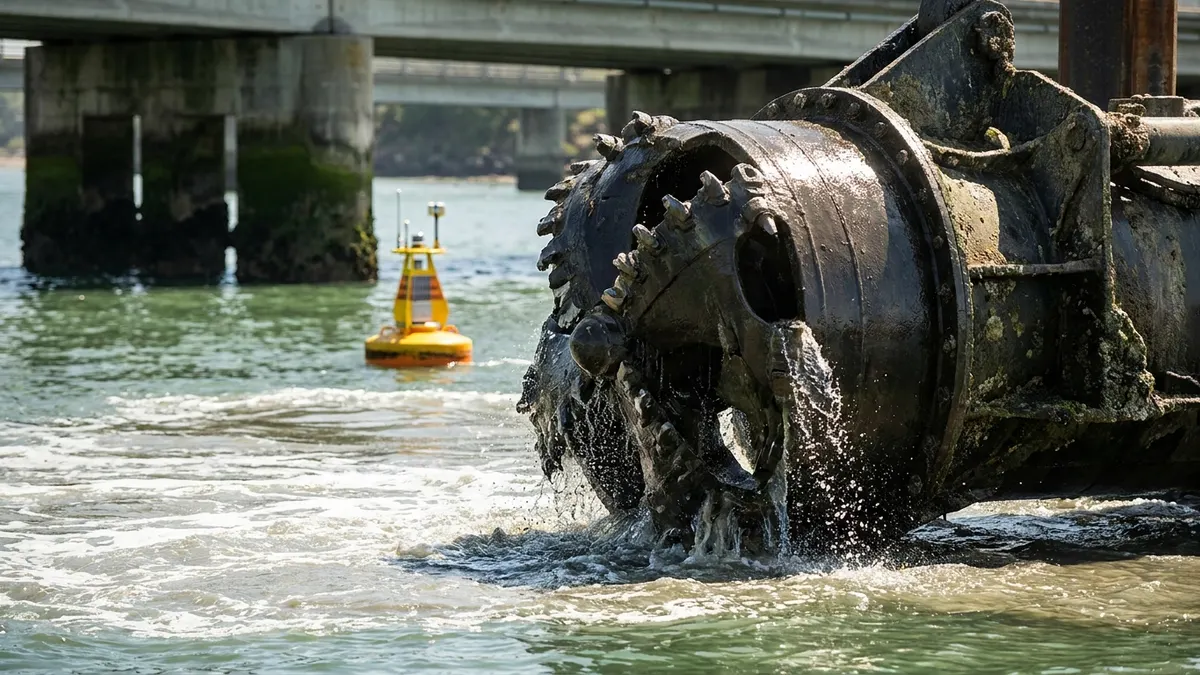
The dredging will run along the northern and southern edges of the navigation channel beneath Vancouver’s Second Narrows bridge, with work scheduled to begin in September. The port authority did not specify how long the project will take to complete.
The work targets Aframax-class tankers, which measure up to 250 metres long with a draft of up to 16 metres. According to Trans Mountain’s own website, those vessels currently load to only about 80% of capacity to clear the inlet’s depth restrictions. The dredging is designed to change that, allowing ships to “load more fully” without increasing the number or size of vessels using the channel.
The project will remove roughly 25,000 cubic metres of material, with most dredging reaching about 1.3 metres below the sea floor and a maximum of six metres in some areas. The port authority says it will restrict all in-water work to the least-risk window for fish habitat, running from mid-August through the end of February, as set by the Fisheries Department. The project is subject to more than 50 environmental conditions, including turbidity monitoring and measures to protect marine life and kelp habitat.
The expanded Trans Mountain pipeline began operating in May 2024, and calls to further expand export capacity have grown amid recent trade friction with the United States.
What It Means for Subcontractors
- Marine dredging contracts are live. The port authority confirmed work starts in September, meaning marine contractors, equipment operators, and support service providers operating on the BC coast should be positioning now for subcontract opportunities tied to this project.
- Environmental compliance is non-negotiable. With more than 50 permit conditions including turbidity monitoring, sediment management, and marine life protections, field crews will need documented environmental procedures in place. Companies without robust environmental plans may be screened out at the bid stage.
- Work windows are narrow. The allowable in-water work period runs mid-August through end of February. Subcontractors should plan for compressed schedules and potential weather-related delays within that window, and price accordingly.
- Downstream port activity could increase. If tankers begin loading closer to full capacity at Westridge, terminal support services, tug operators, and marine logistics providers may see sustained increases in activity over the longer term.
- Canadian story, but US-linked market. This project is directly tied to diversifying Canadian crude exports away from US markets, a trend that could affect pricing and throughput decisions across North American midstream operations.