BLM Posts Record Q1 Lease Revenue at $593 Million, Signaling a Busy Federal Drilling Pipeline
According to World Oil, the U.S. Bureau of Land Management generated $592.7 million in total oil and gas lease receipts during the first quarter of 2026, the highest Q1 revenue figure in the agency’s history. The results reflect active bidding across major onshore basins and a return to federal leasing in Alaska for the first time in seven years.
Background
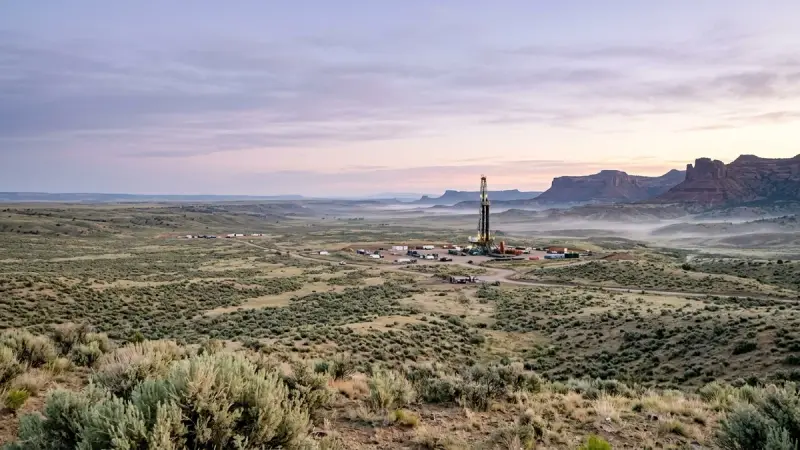
The BLM leased 246 parcels covering 225,277 acres across 11 states between January and March, according to World Oil. Key producing regions represented in those sales include New Mexico, North Dakota, Wyoming, and Colorado, which together account for the bulk of active federal onshore drilling in the Lower 48. Those sales generated more than $415 million in bonus bids, rentals, and other receipts.
The remainder of the Q1 total came from Alaska. The BLM held an oil and gas lease sale in the National Petroleum Reserve-Alaska (NPRA), the first since 2019. That auction covered 187 tracts and brought in $177.6 million in total receipts. The sale was not optional: new legislative requirements mandate at least five NPRA lease sales by 2035, with each covering a minimum of four million acres, meaning Alaska will be a recurring item on the federal leasing calendar for the next decade.
Acting BLM Director Bill Groffy called the results historic. “The quarter’s totals are the most revenue generated at this point of the calendar year ever in BLM history,” Groffy said. “Our oil and gas program continues to support domestic energy development while ensuring public lands contribute to economic strength and national security.”
Federal lease revenues are split between the federal government and the states where development occurs. In Alaska, a share also flows to North Slope communities through the NPRA Impact Mitigation Grant Program.
Analysis
A record Q1 lease sale is not just a budget line for the federal government. It is a leading indicator of where drill bits and field crews will be working 12 to 36 months from now. Lease sales precede permitting, permitting precedes spudding, and spudding precedes the long tail of completions, production, and infrastructure work that sustains subcontractor revenue for years after an operator first raises its hand at auction.
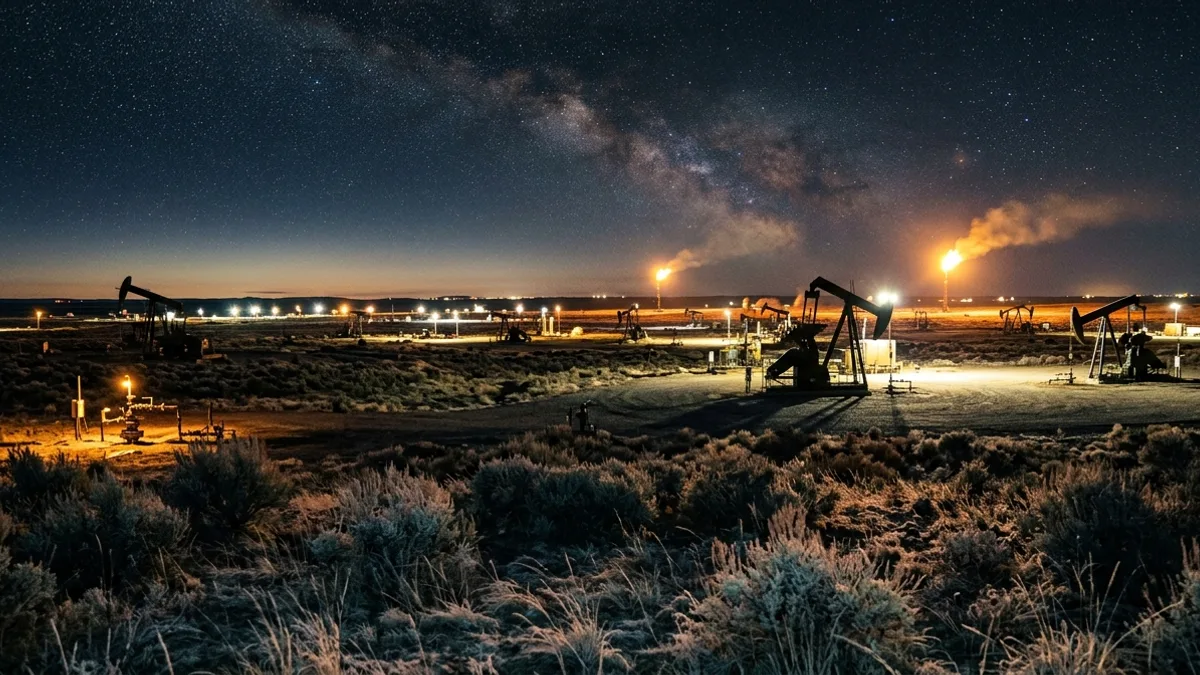
The geographic spread of Q1 activity tells its own story. New Mexico and the Permian Basin’s federal acreage position continue to attract serious capital. The Delaware Basin in particular has seen operators pile into federal parcels over the past two years, and a strong Q1 suggests that appetite has not cooled despite crude price volatility in early 2026. Wyoming’s Powder River Basin and Colorado’s DJ Basin also drew bidders, reinforcing that the Rockies remain a meaningful secondary market for federal onshore work.
North Dakota’s presence on the Q1 list is notable given softer Bakken activity in recent quarters. Renewed federal leasing there could signal that operators are positioning for a volume push if differentials tighten, or simply locking in acreage while federal policy remains favorable to new sales.
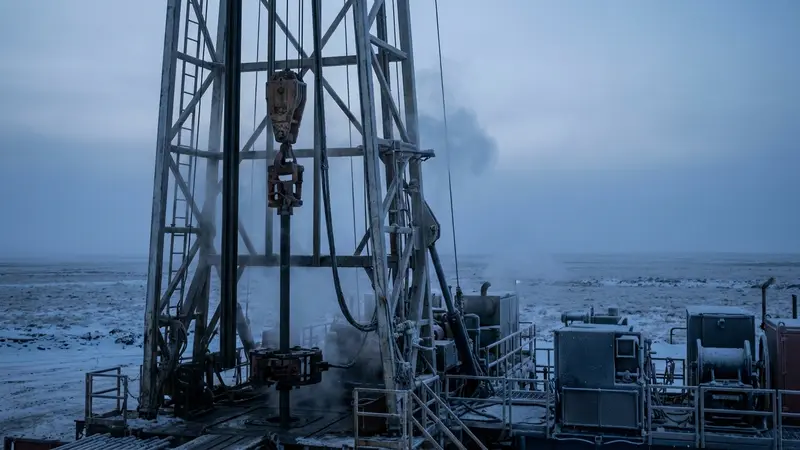
Alaska is the wildcard with the largest long-term upside. The NPRA has sat largely dormant since the Obama administration curtailed sales there. A $177.6 million single-quarter result, the first sale in seven years, is a meaningful restart signal. Operators buying NPRA acreage today are thinking in decade-long horizons. The infrastructure deficit on the North Slope is substantial, which means the service work required to actually develop those leases will be enormous, and early movers in the service sector will have a significant advantage over latecomers scrambling for equipment and crews.
The broader policy context matters too. The current administration has made “energy dominance” a stated priority, and the BLM’s record quarter fits that narrative. With at least four more mandated NPRA sales ahead and continued Lower 48 lease offerings, the federal leasing pipeline looks more durable than it has in years. That durability is exactly what subcontractors need to justify equipment investment, crew expansion, and long-term supply agreements.
What It Means for Subcontractors
- Permian and Rockies work is real and near-term. New Mexico, Wyoming, and Colorado lease activity translates into permits and spuds within 12 to 24 months. Subcontractors serving those basins should be tracking operator acreage positions now to get ahead of bid solicitations.
- Alaska is a long game worth starting now. NPRA development timelines are long, but the infrastructure and logistics gap on the North Slope means early relationships with North Slope operators and prime contractors are worth building today. Mobilization costs and regulatory complexity favor established vendors.
- Federal lease awards are a workload forecasting tool. Subcontractors who monitor BLM auction results by basin can build a rough forward-looking demand model for drilling, completions, road building, water handling, and pipeline tie-in work. It’s not precise, but it’s better than waiting for RFPs.
- Record Q1 revenue means operators are spending serious money on acreage. That capital commitment creates pressure to actually develop the leases and generate returns. Operators who paid top-dollar bonus bids won’t sit on acreage indefinitely, which tightens the timeline from lease to active project.
- Regulatory stability is a green light for capacity investment. The mandated NPRA sale schedule and continued Lower 48 activity suggest the federal leasing program has political durability. Subcontractors who have been hesitant to add equipment or headcount due to permitting uncertainty have a somewhat clearer signal to act.