AI Data Center Boom Sparks Construction Hiring Race for Electricians, HVAC Techs, and Welders
According to Construction Today, the artificial intelligence buildout is generating one of the largest construction hiring cycles in decades, and the workers most in demand aren’t software engineers. They’re electricians, HVAC technicians, welders, and industrial engineers, the skilled trades professionals who build the physical infrastructure that makes AI computing possible.
The generative AI race has created extraordinary demand for computing capacity, and capturing that opportunity depends entirely on one thing: labor supply.
Why Data Centers Require Skilled Trades Crews
The generative AI race has created extraordinary demand for computing capacity, and that demand requires physical infrastructure, according to Construction Today. Every major AI model requires processing power, storage systems, and cooling networks. Technology companies including Microsoft, Amazon, Meta, and Google continue expanding hyperscale data center footprints at a pace the construction industry has struggled to match.
Moody’s estimates global AI-related infrastructure investment could reach roughly $3 trillion over the next five years, according to the publication. The ripple effects are already visible across energy, logistics, and construction supply chains throughout the US.
Northern Virginia remains the largest US data center market, though Construction Today reports that growth has accelerated across Texas, Ohio, Arizona, and parts of the Midwest, where land costs and electricity access are more favorable. Entire regional economies are beginning to reorganize around infrastructure development tied to AI expansion.
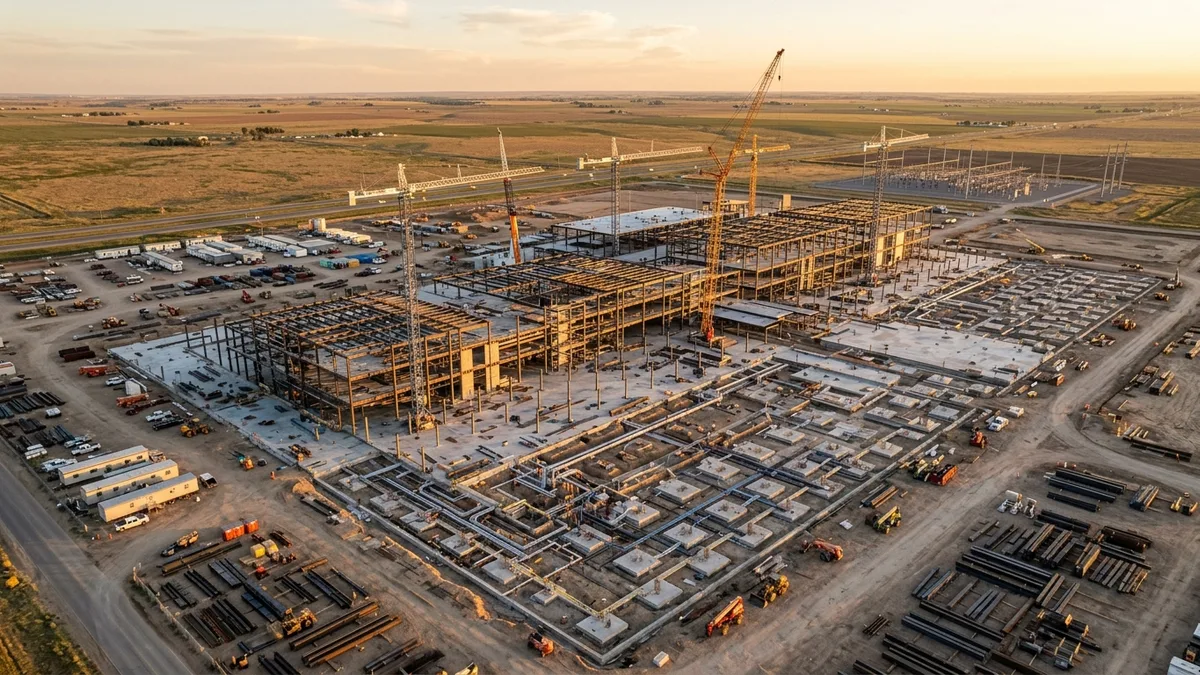
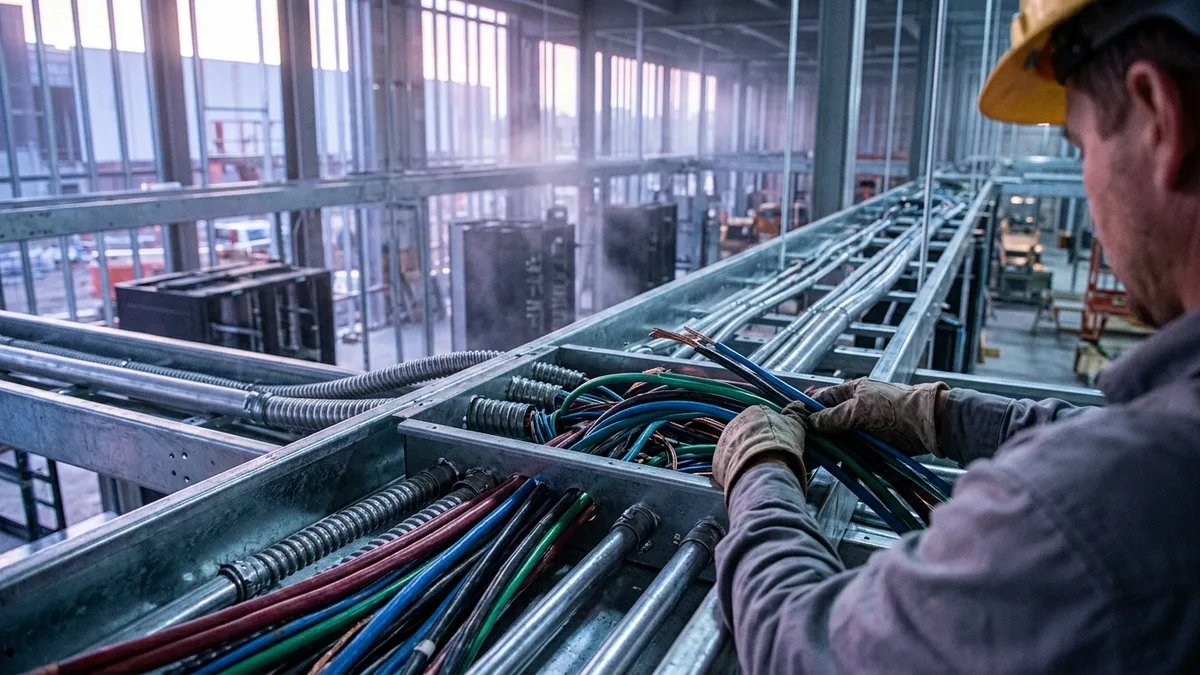
The projects themselves are highly specialized. AI data centers require advanced electrical systems, industrial-grade cooling networks, and uninterrupted energy supply. According to Construction Today, building them often resembles constructing manufacturing plants rather than traditional office or commercial buildings, which raises the skill ceiling for the crews doing the work.
What’s Driving Trades Demand
The labor dynamic here is the real story, and it cuts against the dominant AI narrative of the past three years.
While much of the public conversation around AI has focused on white-collar disruption, office job automation, and productivity software, a different outcome is taking shape in the field. Skilled trades workers are gaining bargaining power, not losing it. Construction Today notes that electricians capable of working on large-scale data center projects can now command salaries once associated primarily with engineering or finance careers. Experienced workers on complex infrastructure projects are increasingly earning six-figure incomes, particularly when overtime and travel incentives are included.
That’s a significant shift in how the trades are perceived, compensated, and recruited. For subcontractors, it’s both an opportunity and a warning sign.
The opportunity is obvious: sustained, multi-year demand for electrical, HVAC, and mechanical work tied to projects with real capital behind them. The warning sign is equally clear. Construction Today reports that demand for skilled trades workers already exceeds available supply in many markets, particularly for licensed electricians and HVAC specialists with industrial experience. Some firms are already offering premium wages, signing bonuses, and accelerated apprenticeship programs just to secure labor before projects break ground.
HVAC has moved to the center of this dynamic in a way that may surprise some operators. Advanced AI chips generate immense heat loads, which forces data center operators to invest heavily in thermal management systems. The more powerful AI models become, the greater the cooling burden grows. That makes experienced HVAC technicians with industrial credentials some of the most sought-after workers on any data center site, not a supporting trade, but a core one.
For subcontractors operating in Texas, Arizona, Ohio, or Northern Virginia, the project pipeline is real. The constraint isn’t contracts. It’s qualified headcount.
What It Means for Subcontractors
-
Prioritize data center and semiconductor project bids now. According to Construction Today, technology giants are expanding hyperscale facilities at a pace the industry is struggling to match. That gap between project demand and contractor capacity is a direct opening for capable subcontractors.
-
Invest in workforce development before the next contract, not after. Firms already offering signing bonuses and accelerated apprenticeship programs are competing for the same labor pool you are. Waiting until a project is awarded to recruit is increasingly a losing strategy.
-
Industrial HVAC and electrical credentials are your price of admission. These projects resemble manufacturing plant construction, not commercial builds. Workers need industrial-grade experience to qualify, and firms that can demonstrate that capability will have a meaningful edge in the bidding process.
-
Watch secondary markets closely. Northern Virginia is saturated with competition. Construction Today highlights Texas, Ohio, and Arizona as growth markets where land and electricity costs are drawing new investment. Subcontractors already established in those regions are well positioned.
-
Consider six-figure wages a market reality, not an anomaly. If your compensation structure doesn’t reflect current market rates for licensed electricians and HVAC specialists, you’ll lose workers to competitors before a project even starts. Adjust labor cost assumptions in your bids accordingly.
The AI economy is building something physical, and it needs field crews to do it. The subcontractors who move on workforce strategy now will be the ones with the capacity to take on the work when projects break ground.