Webequie First Nation Breaks Ground on 107-Kilometre Ring of Fire Supply Road
According to a Canadian Press report via Daily Commercial News, construction has begun on the Webequie Supply Road, a 107-kilometre route connecting Webequie First Nation to Ontario’s Ring of Fire mining region, with Ontario Premier Doug Ford visiting the community on June 25 to mark the milestone.
Market Impact
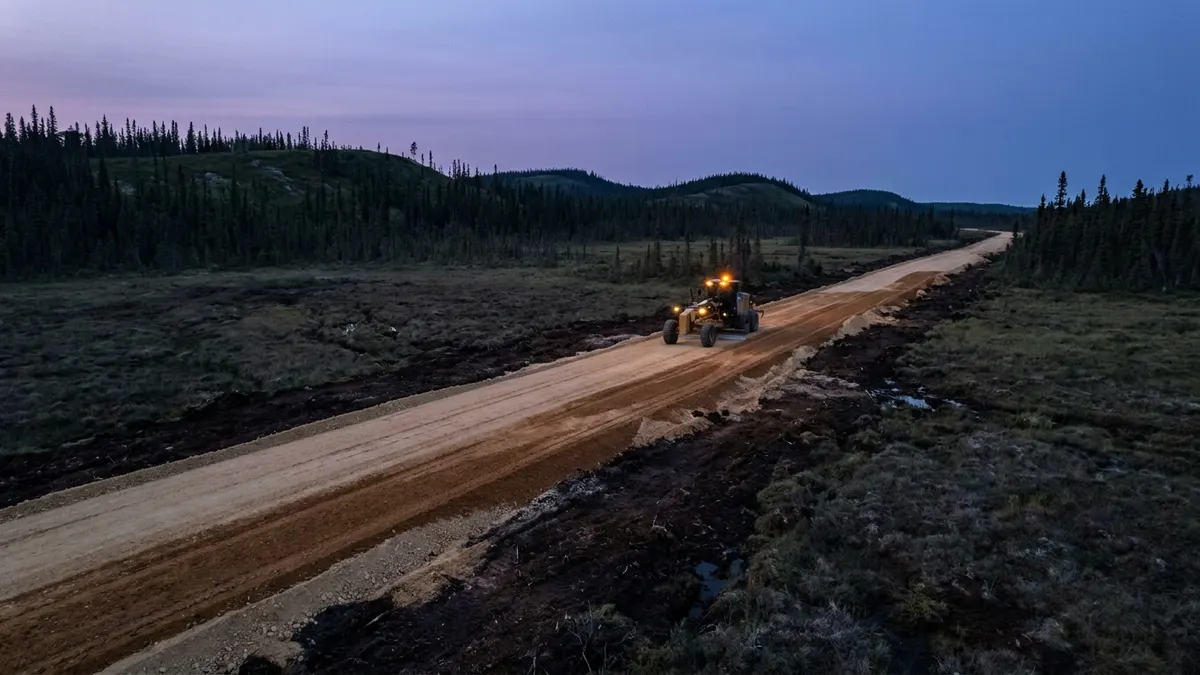
The Webequie Supply Road will run east through terrain ranging from esker rock to peatland and is scheduled for completion by 2030. Webequie First Nation, located on an island roughly 500 kilometres north of Thunder Bay, is one of two remote fly-in First Nations that have signed partnership deals with the province to connect their communities to both the proposed mining area and the provincial highway system.
The province has committed nearly $40 million to Webequie under a deal that includes a community centre with an arena, a replacement airport terminal, equipment to build the road, and mental health resources. Premier Ford called the Ring of Fire a “once-in-a-generation opportunity,” and Indigenous Affairs Minister Greg Rickford framed the road as “modern legacy infrastructure needed to access the kinds of economic activities that create lasting prosperity.” The community’s leadership has cited the road as critical to economic self-sufficiency, noting that diesel and all construction materials currently arrive via a shrinking winter road season driven by climate change.
What It Means for Subcontractors
- The 2030 completion target on a 107-kilometre remote corridor through highly varied terrain, from esker rock to peatland, points to years of civil, earthworks, and drainage subcontracting opportunities in a fly-in region with limited existing infrastructure.
- Remote logistics will be a major cost and planning factor. Subcontractors bidding on this work should expect to price in fly-in mobilization, on-site accommodation, and fuel supply challenges given the community’s current reliance on winter roads for diesel and materials.
- The broader Ring of Fire development pipeline, including potential mine access roads and utility connections, means early positioning in this corridor could lead to follow-on contracts as mining activity advances.
- Opposition from other First Nations in the region remains a factor. Subcontractors should monitor the regulatory and consultation environment, as project scope or timelines could be affected by ongoing disputes over development in the Far North.