US Rig Count Climbs to 607, Highest Since April 2024
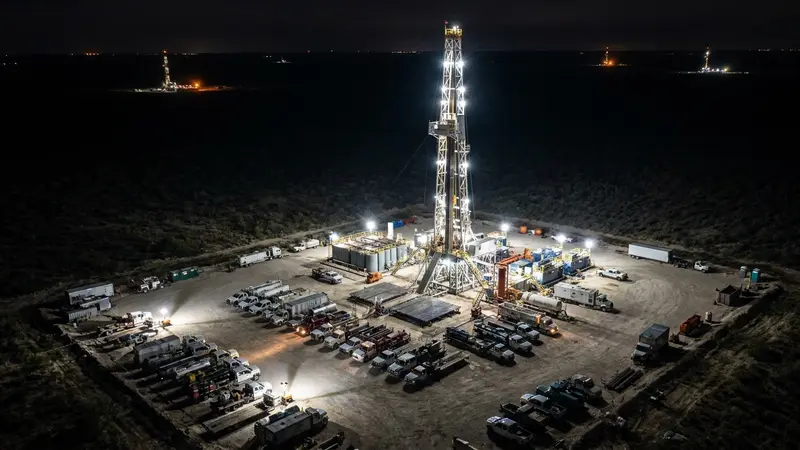
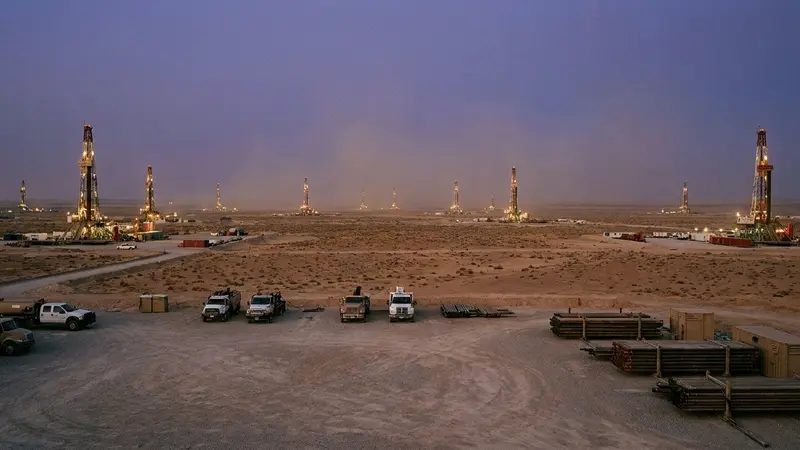
US drillers added six rigs to reach 607, the highest since April 26, 2024 and the second weekly gain in five weeks, according to Baker Hughes data in a Reuters report via BOE Report.
Market Impact
The count is up 53 rigs, or 9.6%, from a year ago. Oil rigs rose by six to 469, their highest since May 2025. Gas rigs rose by one to 128, and miscellaneous rigs fell by one to 10. By our math, oil rigs make up about 77% of the total, so this week’s gain was entirely oil-driven.
The turn follows three years of decline. The total count fell 20% in 2023, 5% in 2024 and 7% in 2025 as producers put shareholder returns and debt paydown ahead of growth. Reuters attributes the shift to expectations that spot WTI crude will rise in 2026 for the first time in four years, due to supply disruptions from the Iran war. The EIA projects US crude output rising from a record 13.7 million bpd in 2025 to 13.9 million bpd in 2026. It sees gas output climbing from a record 107.6 bcfd to 113.0 bcfd, a gain of 5.4 bcfd.
The source does not split the count by basin. Pull the Permian and Bakken numbers from the full Baker Hughes report.
One caution: the IEA said Thursday that the Middle East conflict has caused the biggest disruption ever to global oil and gas trade. It added that world oil demand could fall by more than 4% by 2035 if governments accelerate electrification, efficiency and fuel-switching. That is a long-range risk, not a near-term one.
What It Means for Subcontractors
This quarter and next (our read, not the source’s):
- Civil and dirt crews: Rigs are an early indicator of future output, per Reuters. Expect pad construction, lease-road and location work to tighten first, since it comes before the rig. Operators adding oil rigs in the Permian and Bakken are the likeliest buyers. Ask their field foremen or land and construction coordinators now about Q1 2027 pad schedules.
- Pipefitting, E&I and tie-in crews: Wells drilled now need flowlines, tie-ins and facility hookups after completion. If you hold an MSA with an operator that is adding rigs, ask your contact which pads are slated for first-quarter 2027 and confirm you are on the bid list.
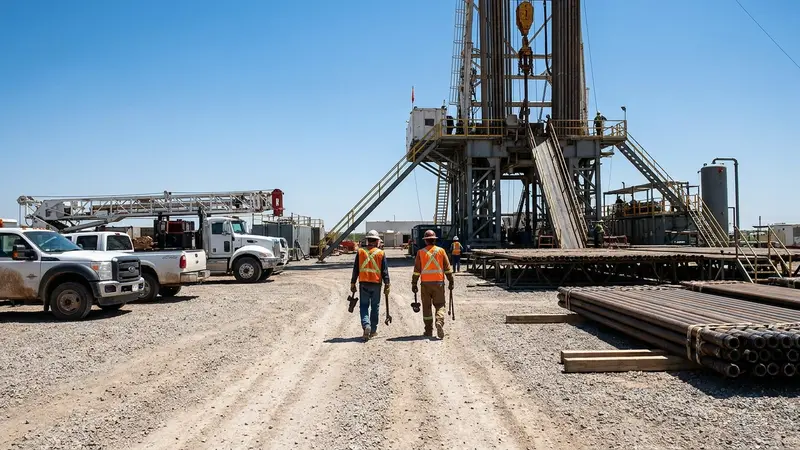
- Maintenance and trucking providers: Oil rigs are at a 17-month high, so expect more calls for roustabout, water-hauling and road-maintenance support. Check crew and equipment availability through early 2027 before accepting fixed-price work.
- Pricing risk: The rig recovery is tied to a WTI forecast that depends on the Iran war disruption. Keep contract terms short or use escalators, and avoid locking in multi-year rates at today’s labor costs.
Position for later:
- Gas-side work: The EIA projects 113.0 bcfd of gas output in 2026, but gas rigs rose by only one this week. Gas gathering and compression bids may follow more slowly. Treat them as a mid-2027 opportunity, not an immediate one.
- Western Canada (our inference): The source has no Canadian data. Higher US activity and prices could lift Alberta and Saskatchewan work too, but confirm with your own operator customers before adding crews.