U.S. fracking equipment moves overseas as shale growth slows
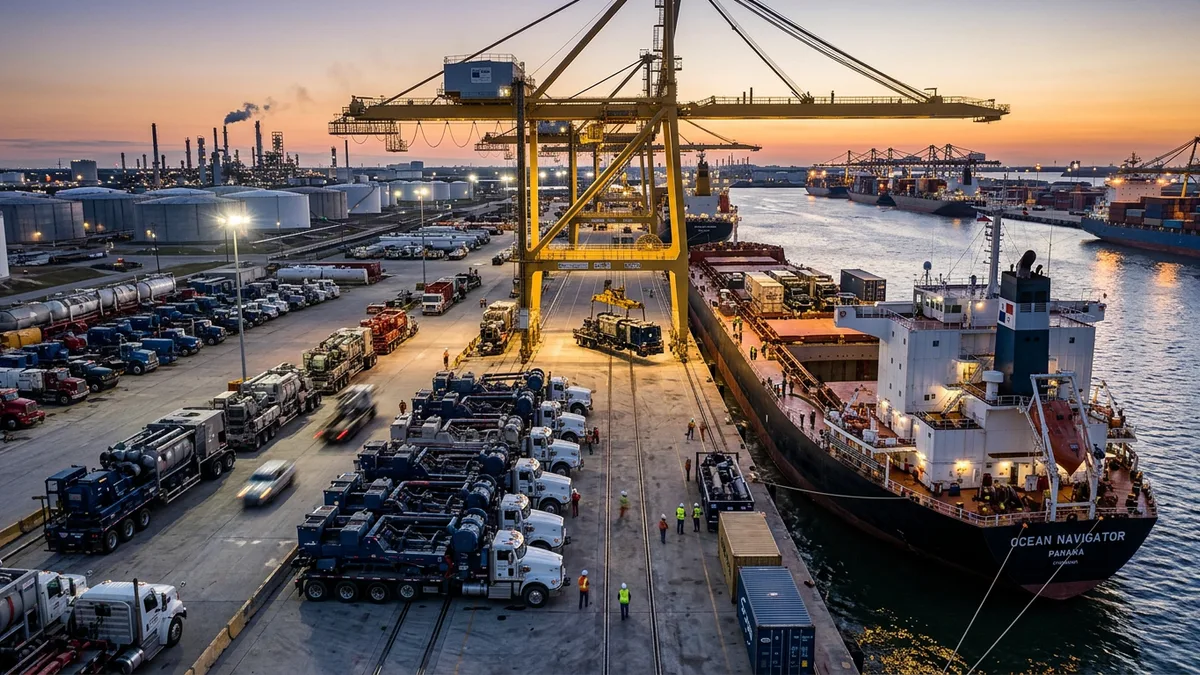
North American subcontractors may face new opportunities and challenges as U.S. fracking companies ship idle equipment to international markets, driven by slowing domestic shale growth that has left 8 million horsepower of capacity sitting unused.
The Situation
Of roughly 18 million horsepower of U.S. fracking capacity, about 8 million horsepower represents idle inventory held in reserve, according to Financial Post reporting. As growth slows in the Permian Basin and other major shale plays, pressure pumping companies are looking overseas for new revenue streams.
This equipment migration follows the typical boom-bust cycle of North American energy development, where overcapacity built during growth phases seeks new markets when domestic demand softens. The move overseas represents a significant shift for an industry that prioritized domestic resources over international exploration during the early 2000s shale revolution.
Why It Matters
For Canadian subcontractors, this equipment exodus creates both opportunities and risks worth monitoring closely:
Workforce mobility increases. Experienced Canadian crews who’ve worked cross-border projects may find new opportunities supporting these international operations. Companies like Calfrac Well Services and Trican Well Service, which already operate internationally, could benefit from reduced competition for skilled personnel.
Service gaps may emerge domestically. With equipment moving overseas, any uptick in North American drilling activity could create temporary capacity constraints, potentially driving up day rates for remaining service providers.
Supply chain impacts ripple through. Equipment manufacturers, parts suppliers, and maintenance contractors may see shifting demand patterns. International projects often require different specifications and longer lead times than domestic work.
The timing matters for cash flow planning. International projects typically involve longer contract terms but also longer payment cycles and currency exposure risks that domestic work doesn’t carry.
What Subcontractors Should Do
Assess your international capabilities now. Review certifications, insurance coverage, and passport requirements for key personnel. International work often requires additional safety certifications and different regulatory compliance.
Strengthen relationships with equipment owners. If you provide maintenance, transportation, or support services to pressure pumping companies, understand their international deployment plans. Some may need Canadian-based support for equipment prep and logistics.
Monitor domestic capacity utilization. Track active frac spread counts through Baker Hughes data and industry reports. Rapid capacity reductions could signal future rate increases for remaining domestic providers.
Consider partnership opportunities. Smaller subcontractors might explore joint ventures or subcontracting relationships with larger players moving overseas, particularly for specialized services like environmental monitoring or logistics support.
Looking Ahead
Watch for several key indicators over the next 6 to 12 months:
Active frac spread counts in major basins. Sharp declines beyond normal seasonal patterns could signal accelerated equipment exports.
Canadian drilling activity levels, which may benefit from reduced cross-border competition for equipment and crews.
International energy development announcements, particularly in regions such as the Middle East, South America, and Eastern Europe where North American fracking technology is increasingly in demand.
The equipment migration reflects broader energy market maturation, but history suggests these cycles eventually reverse. Subcontractors who position themselves strategically during the downturn often benefit most when domestic activity rebounds.
For now, the message is clear: diversification and flexibility remain the best hedges against market volatility, whether that means following equipment overseas or capturing increased domestic market share as competitors deploy elsewhere.