US Aggregate Production Edged Up in Q4 2025, but Full-Year Output Slipped
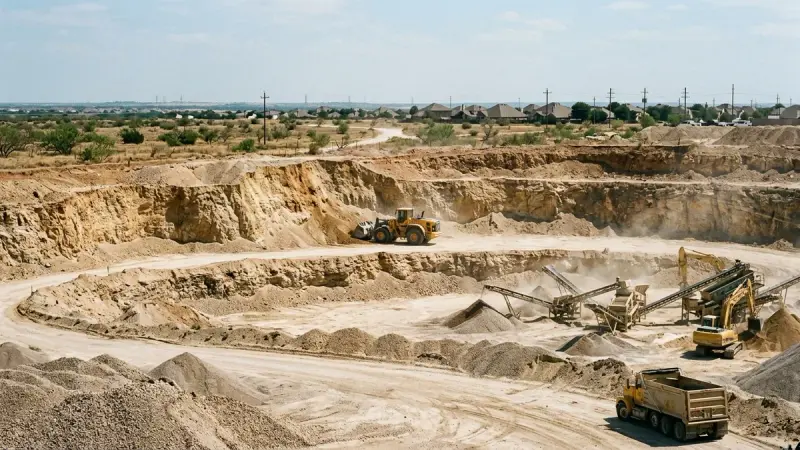
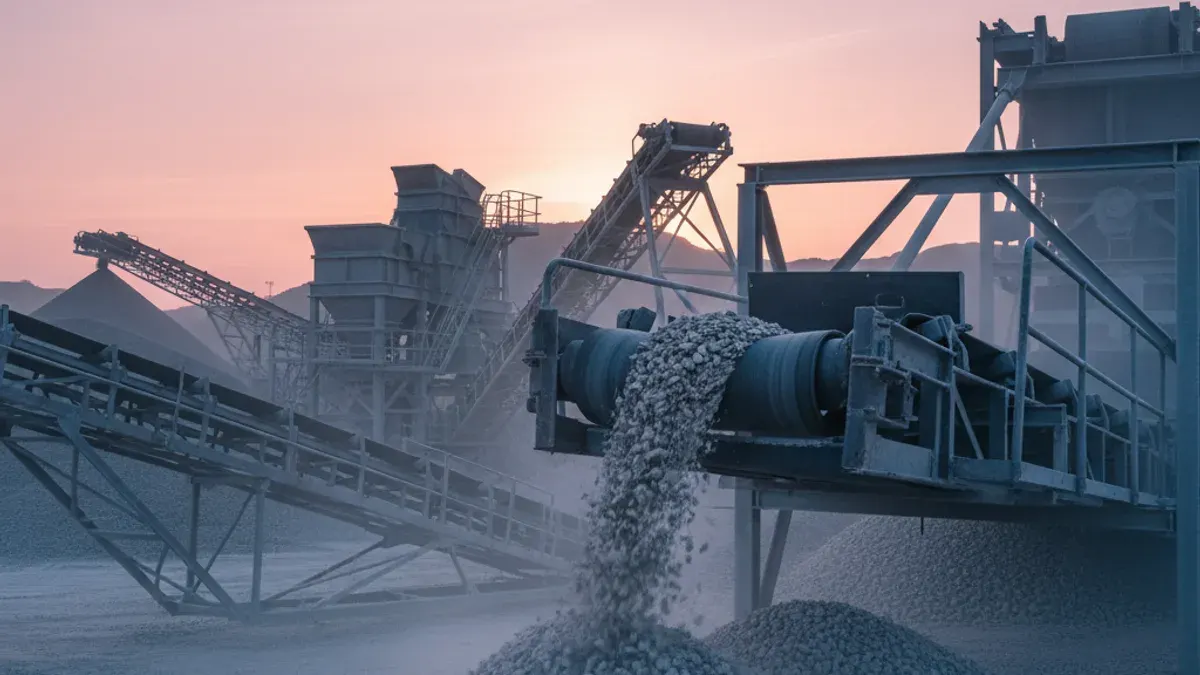
According to Pit & Quarry, the US Geological Survey (USGS) reports that aggregate production rose 1% in the fourth quarter of 2025, reaching 574 million metric tons, marking the second consecutive quarter of gains after six straight quarters of decline.
Market Conditions Heading Into 2026
The Q4 uptick offers some optimism, but the full-year picture tells a more cautious story. Total US aggregate production for 2025 came in at 2.33 billion metric tons, down 0.8% from 2.35 billion metric tons in 2024, according to USGS data cited by Pit & Quarry.
Texas led all states in both Q4 and full-year production, joining California, Florida, Ohio, and Pennsylvania as the top five producers for 2025. Those five states combined for 723 million metric tons, roughly 31% of the national total. For Q4 specifically, crushed stone output climbed 1% to 364 million metric tons, while sand and gravel slipped 0.48% to 209 million metric tons.
The back half of 2025 showed momentum, with crushed stone production increasing in 25 of 41 states surveyed. Whether that trend holds through 2026 depends heavily on construction spending, infrastructure project timelines, and regional demand.
What It Means for Subcontractors
- Material availability is stabilizing in key markets. Texas, Ohio, and Florida are top producers, meaning subcontractors working in those states should see relatively steady aggregate supply heading into the busy spring construction season.
- Six quarters of prior decline left a mark. Suppliers may still be working through capacity and pricing adjustments. Lock in material contracts early where possible rather than relying on spot pricing.
- Sand and gravel tightened slightly in Q4. Concrete and grading contractors should confirm supply commitments with their material vendors now, particularly on projects scheduled for Q2 2026.
- The broader trend is cautiously positive. Two straight quarters of production growth suggests the market is recovering, but full-year output still finished negative. Budget for moderate material cost volatility rather than assuming prices will fall.