Trump Signs Cross-Border Permit for Bridger Pipeline Project, Partially Reviving Keystone XL Corridor
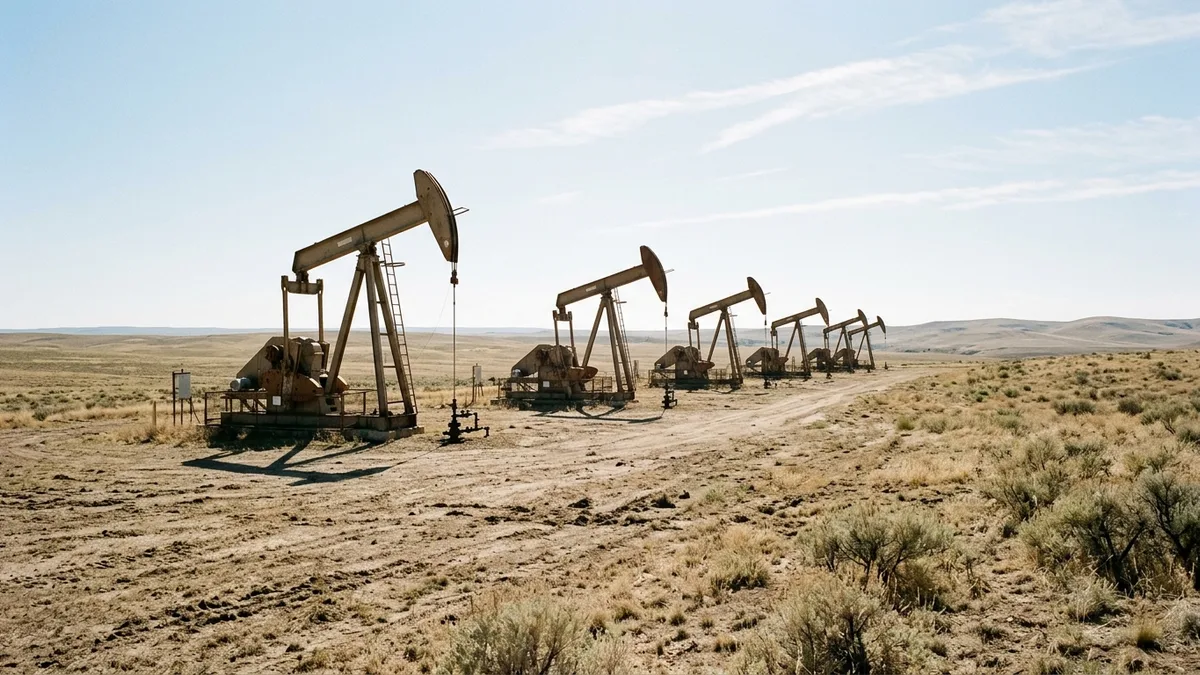
According to Reuters via BOE Report, President Donald Trump signed an executive order on Thursday granting a cross-border permit for a pipeline project proposed by Canadian operator South Bow and U.S. partner Bridger Pipeline. The project would move Canadian crude from the border to Guernsey, Wyoming and could increase Canada’s crude exports to the U.S. by more than 12 percent.
“Slightly different than the last administration,” Trump said at the White House. “They wouldn’t sign a pipeline deal, and we have pipelines going up.”
The proposal is not a resurrection of TC Energy’s original Keystone XL, which was cancelled by former President Joe Biden in 2021 after years of Indigenous and environmental opposition. Rather, it follows a different U.S. route and is led by different companies. South Bow was spun off from TC Energy in 2024 to take over its oil pipeline business. Approximately 150 km (93 miles) of pipe has already been built on the Canadian side and has been sitting idle since the original KXL cancellation.
Bridger Pipeline has proposed building a 645-mile pipeline through eastern Montana and eastern Wyoming. Bridger executive partner Tad True called the White House authorization a step that brings the cross-border project “one step closer to reality.” South Bow is seeking firm commitments from Canadian shippers for 450,000 barrels per day, though a spokesperson said the project remains in early stages and is subject to commercial and stakeholder discussions.
Analysts caution that Guernsey is not an end market for crude — additional pipeline links would need to be built to reach refining hubs in Cushing, Oklahoma, Patoka, Illinois, and the U.S. Gulf Coast. State regulatory permits will also be required, and potential court challenges remain a risk, said Matthew Lewis, founder of Plainview Energy Analytics.
“Provided potential shippers are comfortable with the regulatory risk, the economics of the project appear sound, and the pipeline will be able to offer competitive rates to major U.S. market hubs,” Lewis said.
The project arrives amid strained U.S.-Canada relations over tariffs. Canada has framed a new cross-border oil pipeline as a path to help the U.S. achieve energy security, potentially giving Prime Minister Mark Carney leverage in upcoming USMCA trade negotiations. Adam Waterous, executive chairman of Strathcona Resources, told Reuters that oil gives Canada “economic hard power” in its dealings with Washington.
What It Means for Subcontractors
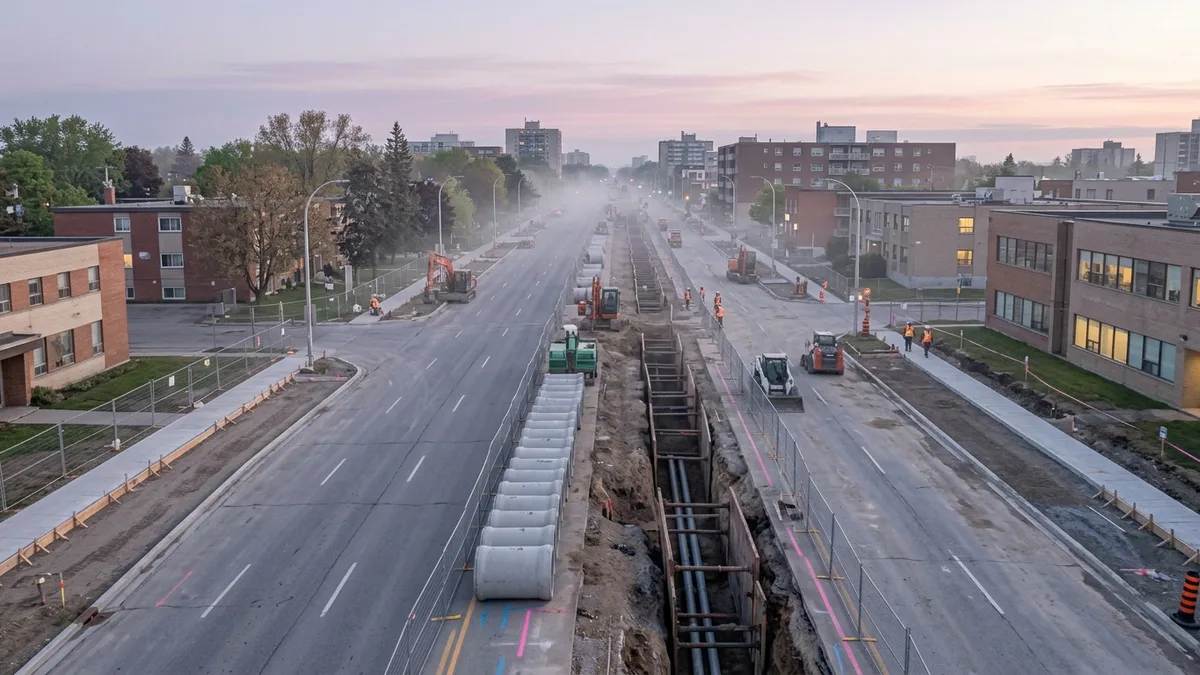
- If South Bow secures shipper commitments and the project clears regulatory hurdles, the 645-mile mainline through Montana and Wyoming would be one of the largest cross-border pipeline construction opportunities in North America — generating demand for line pipe, welding, right-of-way clearing, and compressor station work.
- The Guernsey endpoint is not a final destination. Analysts expect additional laterals would need to be built to Cushing, Patoka, and the Gulf Coast, multiplying the total construction scope beyond the initial 645 miles.
- State-level permits in Montana and Wyoming plus the near-certainty of court challenges mean this is a medium-term signal, not an imminent mobilization. The shipper commitment process is the near-term indicator to watch.
- For Canadian subcontractors, roughly 150 km of pipe on the Canadian side is already in the ground and permitted, meaning early Canadian scope is limited. The opportunity is on the U.S. side once Bridger moves to construction.