Tariffs Push Construction Input Prices Up 7% to Start 2026
Construction input prices jumped 0.7% in January, with nonresidential costs surging at an annualized rate of 7.1%, according to Associated Builders and Contractors’ analysis of Bureau of Labor Statistics data.
What’s Driving the Increase
Most of January’s spike traces back to tariff-induced increases in:
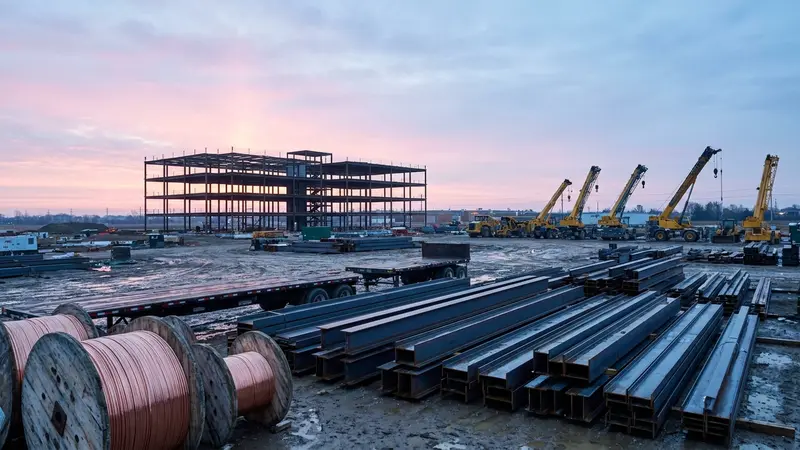
- Copper wire and cable
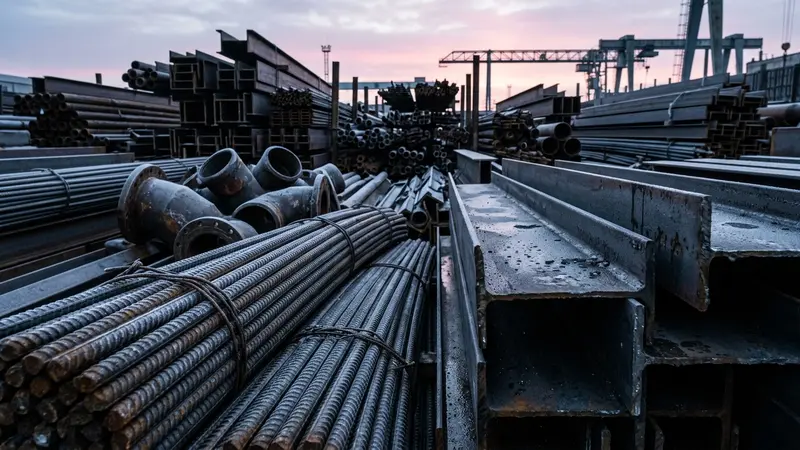
- Iron and steel
- Industrial controls equipment
Compared to a year ago, overall construction input prices are up 2.3%, with nonresidential materials up 2.9%.
What It Means for Subcontractors
For field service companies bidding on projects, the message is clear: material cost assumptions from late 2025 may already be stale.
ABC Chief Economist Anirban Basu notes the increase is “not particularly concerning right now,” pointing out that the bulk of the year-over-year increase occurred earlier in 2025. Prices have been virtually flat over the past several months.
Still, subcontractors should:
- Review active bids for material cost exposure
- Build escalation clauses into new contracts where possible
- Watch copper and steel pricing closely in Q1
The Bigger Picture
Nonresidential construction input prices ticked up only about 0.2% since September. The January spike appears tariff-driven rather than a sustained inflationary trend.
For subcontractors managing cash flow, the key is locking in material pricing early and avoiding fixed-price exposure on tariff-sensitive inputs.