Steel Up 32.9%, Copper Wire Up 25.5%: Fixed-Price Subs Absorb the Gap
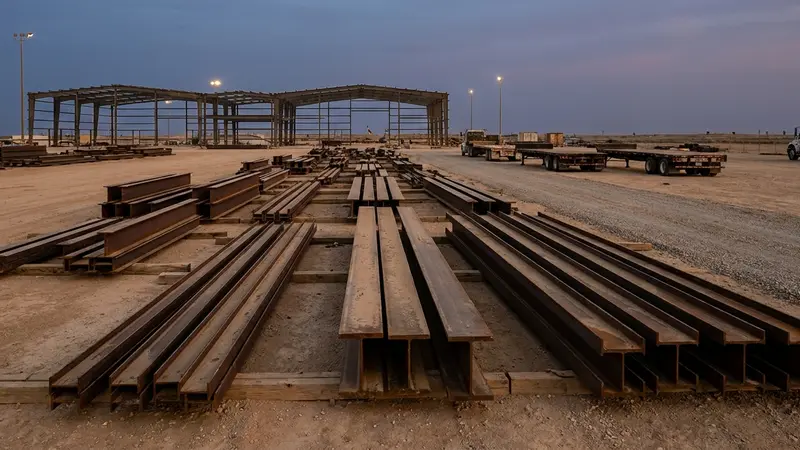
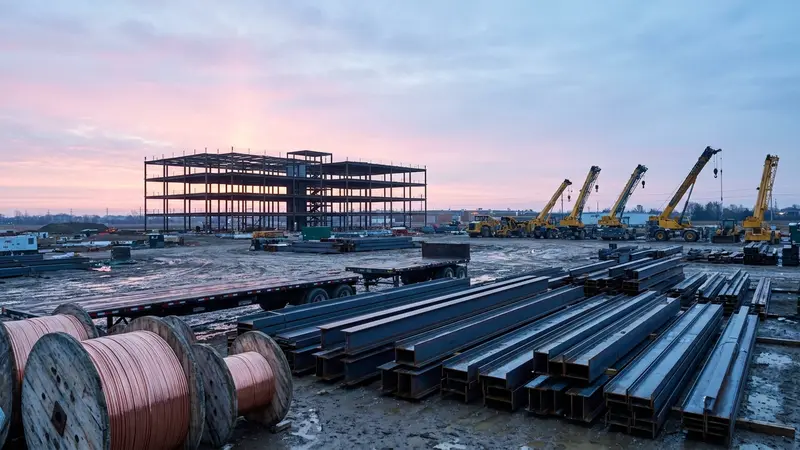
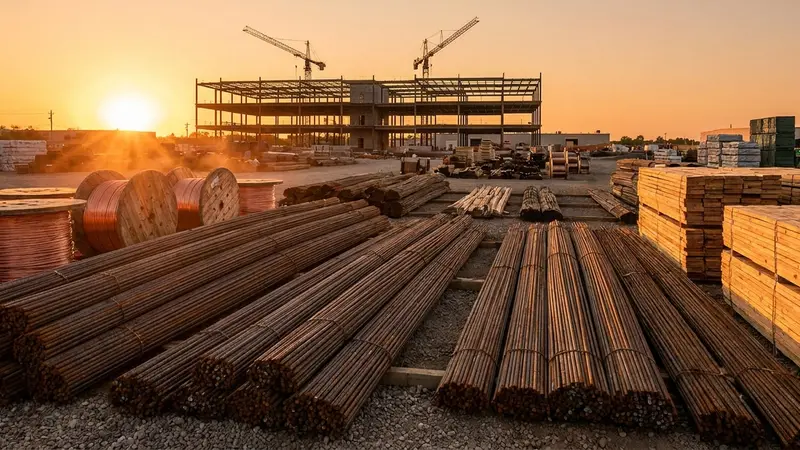
Steel mill product prices are up 32.9% over 12 months, copper wire and cable is up 25.5%, and some fabricators have booked their capacity through the first quarter of 2027 or longer. Engineering News-Record reports that October’s flat monthly input price reading hid those pressures, which are landing hardest on contractors working under fixed-price contracts.
Background
The headline number looks calm. Construction input prices were unchanged in October because falling petroleum and lumber costs offset metals increases, according to ENR’s coverage of federal data released Nov. 13. Associated Builders and Contractors, analyzing Bureau of Labor Statistics Producer Price Index data, found nonresidential input prices up 0.2% for the month. Both overall and nonresidential inputs remain 11.5% higher than a year earlier. September’s increases were 2.2% and 2.3%, respectively.
The offsets were large. Crude petroleum fell 10.3% in October and softwood lumber dropped 3.9%. Steel mill products still climbed 2.7% in the month. Iron and steel are up 25.1% year over year.
A separate Associated General Contractors of America index tracking inputs to new nonresidential construction rose 0.7% in October and 13.3% over 12 months. Within that index, copper and brass mill shapes are up 23.9% annually and aluminum mill shapes are up 23.3%. Diesel prices more than doubled, and freight transportation costs climbed 24.6%.
ABC Chief Economist Anirban Basu said tariff-affected materials like iron, steel and copper are still escalating rapidly, and that nonresidential input prices will likely keep rising in the months ahead.
Analysis
Don’t read a flat monthly index as relief. Falling oil and lumber prices dragged the October average down, and neither helps a structural steel erector or an electrical contractor. The materials those trades buy are the ones still rising.
The more important number is the spread. AGC reports that new nonresidential input costs rose 13.3% over the past year, while its index of prices contractors charge for new nonresidential building rose 5.5%. AGC’s Macrina Wilkins cautions that the two indexes are not directly comparable. Still, she says the gap suggests contractors are absorbing part of the increase.
As a rough illustration, that is a 7.8-point difference between cost growth and price growth. A sub that locked a price a year ago and buys material at today’s levels is carrying that difference in its margin. Soft demand outside data centers, as Wilkins notes, limits how much contractors can push back on pricing, which makes the squeeze worse heading into 2027.
Schedule risk compounds the price risk. Wilkins says contractors are seeing longer delivery times for structural steel, including beams and other building-frame components, as well as mineral wool insulation. AGC’s October Construction Inflation Alert reported that some contractors were told they could receive as little as one-quarter of their contracted beam quantities. Other fabricators were declining new customers. A fixed-price subcontract written on an assumed delivery date can fail on cost and schedule at the same time.
Electrical work faces a different version of the same problem. An October survey by S&P Global Market Intelligence and PEG found rising prices in 10 of 12 materials and equipment categories. Every respondent assessing the six-month outlook for transformers and switchgear expected further increases. The source ties that to equipment procurement concerns for power and data center construction. Add copper wire and cable at +25.5%, and electrical contractors carry cost risk on both the gear and the conductors.
Based on the source’s numbers, structural steel and electrical subs look most exposed. Insulation contractors face a narrower lead-time risk on mineral wool. The source doesn’t rank trades by exposure, so that ranking is our reading of where the price and lead-time data overlap.
What It Means for Subcontractors
- Structural steel and steel erection subs: The October data shows steel mill products up 32.9% year over year, and fabricators have committed capacity through Q1 2027 or longer. Any bid that assumes a firm fabrication slot before then should carry a delivery-date condition. Add a clause that extends the schedule and releases you from liquidated damages if beam deliveries slip.
- Electrical contractors: Copper wire and cable is up 25.5% and all surveyed respondents expect transformer and switchgear prices to rise over the next six months. On quotes with a 2027 install window, split the price. Carry gear and conductors as separately escalated line items tied to a published index, such as the BLS PPI series that ABC and AGC cite. Don’t bury them in a lump sum.
- Bid-validity windows: A quote held open for 60 or 90 days now leaves you exposed to a month or more of metals price movement after your supplier’s own quote may have expired. Shorten validity to roughly 15 to 30 days on any package heavy in steel, copper or aluminum. That window is our suggestion, not a figure from the source. Make price confirmation from your supplier the trigger for any extension.
- Escalation clauses: On fixed-price work, ask the GC or owner for an index-based adjustment on steel, copper and aluminum. The source gives 32.9%, 25.5% and 23.3% as the 12-month moves. Put a threshold in the contract, for example any move beyond a set percentage from bid date, so you aren’t negotiating after the fact.
- Supplier commitments: Get written allocation confirmations from fabricators and equipment suppliers. AGC’s October Construction Inflation Alert says some contractors were told to expect only a fraction of contracted beam quantities. A price quote without a committed quantity and ship date offers no protection against that outcome.
- Margin check on open backlog: Compare your current material costs against what you priced a year ago. If your costs are up near the 13.3% AGC figure and your contract prices rose closer to 5.5%, you are in the gap Wilkins describes. Flag those jobs now for change-order or escalation conversations before the squeeze deepens in 2027.
- Insulation: Mineral wool lead times are lengthening. Order early on jobs with insulation scopes and carry a schedule contingency, since delays here can hold up finish trades behind you.