Six First Nations Boost Ownership in Ontario East-West Tie Line to 20 Percent
According to the Daily Commercial News, six First Nations represented by Bamkushwada LP have increased their ownership stake in Ontario’s East-West Tie Transmission Line from 3.5% to 20%, supported by a provincial loan guarantee of up to $75 million backed by Canada Life.
A Shifting Ownership Model for Grid Infrastructure
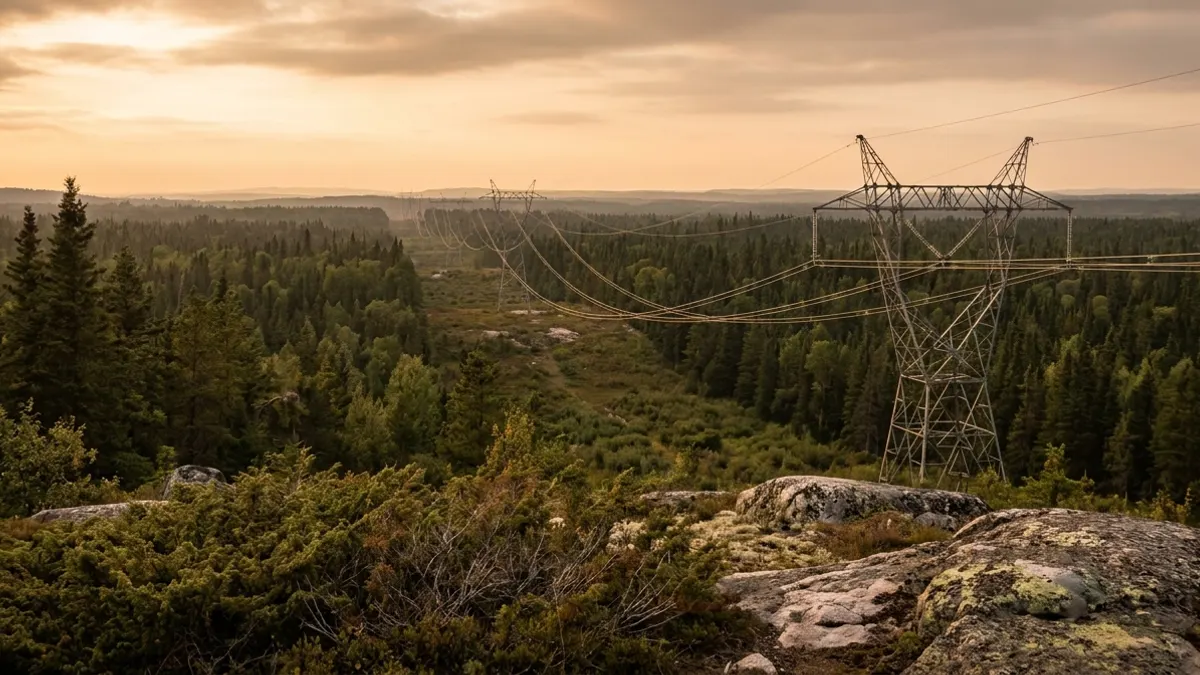
The East-West Tie is a 450-kilometre, 230-kilovolt transmission line connecting Wawa to the municipality of Shuniah, near Thunder Bay. It came into service in March 2022. The remaining 80% ownership is split evenly between a NextEra Energy Transmission affiliate and Hydro One, each holding 40%.
The expanded Indigenous stake was made possible through Ontario’s Indigenous Opportunities Financing Program (IOFP), administered by the Building Ontario Fund. The program is designed to advance economic reconciliation by enabling Indigenous partners to take financial positions in Ontario-based infrastructure projects.
“Increasing the six First Nations’ ownership in this project is long overdue,” said Chief Duncan Michano, chief of Biigtigong Nishnaabeg First Nation and president of Bamkushwada LP. “First Nations are not only partners in infrastructure, but leaders in building a reliable, sustainable system that supports Ontario’s growing energy needs.”
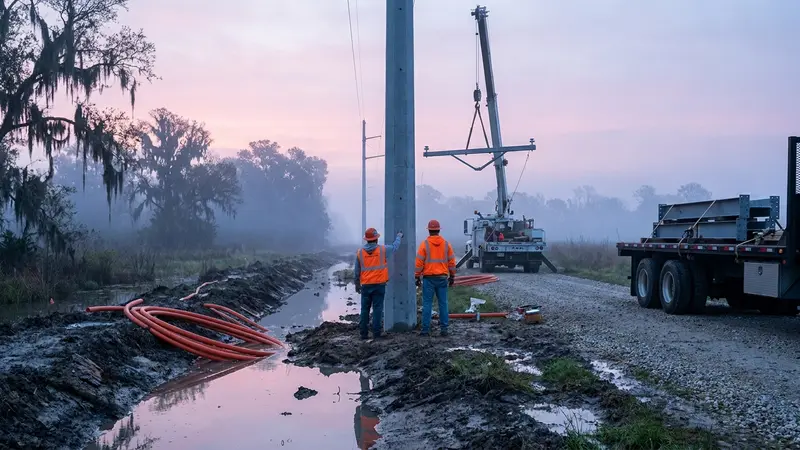
The project also reported that construction was supported by a 60% Indigenous workforce and provided training opportunities for more than 200 Indigenous workers.
What It Means for Subcontractors
- Equity structures are becoming part of the conversation. Future transmission and grid projects in Ontario and across Canada may require Indigenous equity partnerships as a condition of development. Subcontractors bidding on these projects should understand who the ownership partners are and engage early.
- Indigenous workforce requirements are real and measurable. The 60% Indigenous workforce figure on this project sets a visible benchmark. Field service companies operating in northern Ontario and similar regions should build Indigenous hiring and training capacity now, not after winning a contract.
- Provincial financing programs can move projects forward. The IOFP backed this deal with a $75 million guarantee. Subcontractors should track similar programs in other provinces, as government-backed Indigenous equity financing may accelerate projects that might otherwise stall.
- Relationships with First Nations partners matter for contract access. As Indigenous groups move from consultation stakeholders to equity holders, their influence over contractor selection and project conditions increases. Early relationship-building with groups like Bamkushwada LP is a competitive advantage.