Permian Gas Producers Shut In Wells as Waha Hub Prices Stay Deep in Negative Territory
According to a Bloomberg report via Rigzone, major Permian Basin producers including Permian Resources Corp. and Devon Energy Corp. have begun shutting in wells with high gas-to-oil ratios after 124 consecutive days of negative natural gas prices at the Waha Hub.
A Basin Divided: Oil Boom, Gas Bust
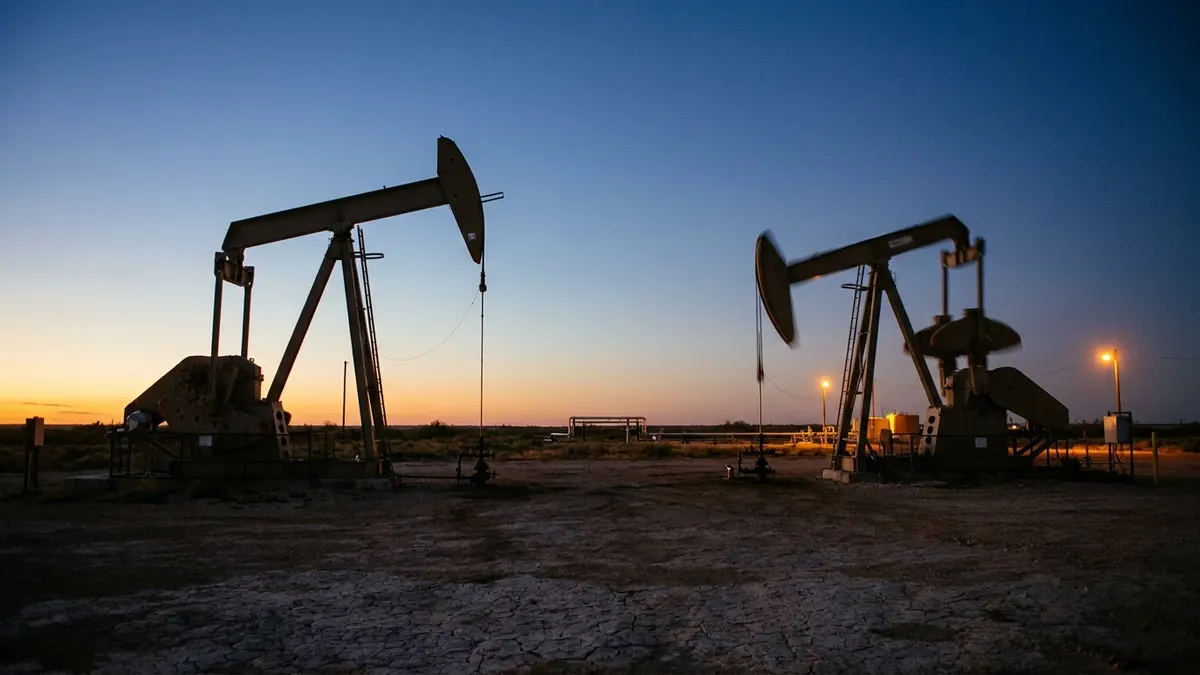
Two opposing realities are playing out simultaneously in the Permian Basin. Oil production continues to reach new highs, driven by a price surge tied to conflict in the Middle East, with Permian crude prices running roughly 50% above pre-war levels. Natural gas, however, is a different story entirely.
A chronic shortage of pipeline takeaway capacity has kept regional gas prices below zero for months. The Waha Hub hit a record low of -$9.60 per million British thermal units on April 24, before recovering to -33 cents per million British thermal units as of early June, the highest level since February. Pipeline operator Targa Resources Corp. President Jennifer Kneale said on a recent earnings call that between 200 and 400 million cubic feet per day of Permian gas is being shut in “on any given day, depending on what is happening with gas prices.” For context, Permian dry gas production typically runs around 23 billion cubic feet per day.
Permian Resources Co-CEO James Walter was direct about the decision to curtail output: “It seemed to us like the biggest no-brainer to shut in and curtail gas wells that were losing money,” he said on a recent earnings call. Elevation Resources CEO Steve Pruett, whose company is flaring excess gas rather than selling it at a loss, put it more bluntly: “We’re losing money hand over fist on gas. Gas is half our product, so it’s really maddening.”
Matt Bernstein, vice president of North America oil and gas at Rystad, noted that the “uptick in new, oil-weighted activity adds pressure to already constrained takeaway capacity,” and that some producers are reluctant to expand output despite high oil prices in order to avoid compounding losses on associated gas.
What It Means for Subcontractors
- Completions and drilling work may slow in gas-heavy zones. Operators shutting in high gas-to-oil ratio wells are unlikely to be scheduling new completions in those areas. Subs working those pads should be tracking curtailment decisions from clients like Permian Resources and Devon Energy closely.
- Oil-weighted acreage remains active, but watch capacity constraints. New oil-focused drilling is still expanding, but Bernstein’s warning about strained takeaway capacity means that even oil-weighted projects could face disruptions if associated gas has nowhere to go.
- Flaring activity may create short-term work. Operators like Elevation Resources are flaring excess gas as a workaround. This can require equipment, inspections, and compliance support, creating niche opportunities for subs with flaring and emissions service capabilities.
- Watch the Waha recovery closely. Prices have rebounded from the April low, and Bloomberg notes that new Permian gas pipeline projects are slated to come online. If takeaway capacity improves, curtailed wells could return to production quickly, signaling a potential rebound in completions activity.
- Prepare for uneven workloads across the basin. The split between booming oil zones and distressed gas zones means subcontractors may see feast-or-famine scheduling depending on which operator and which acreage position they are serving.