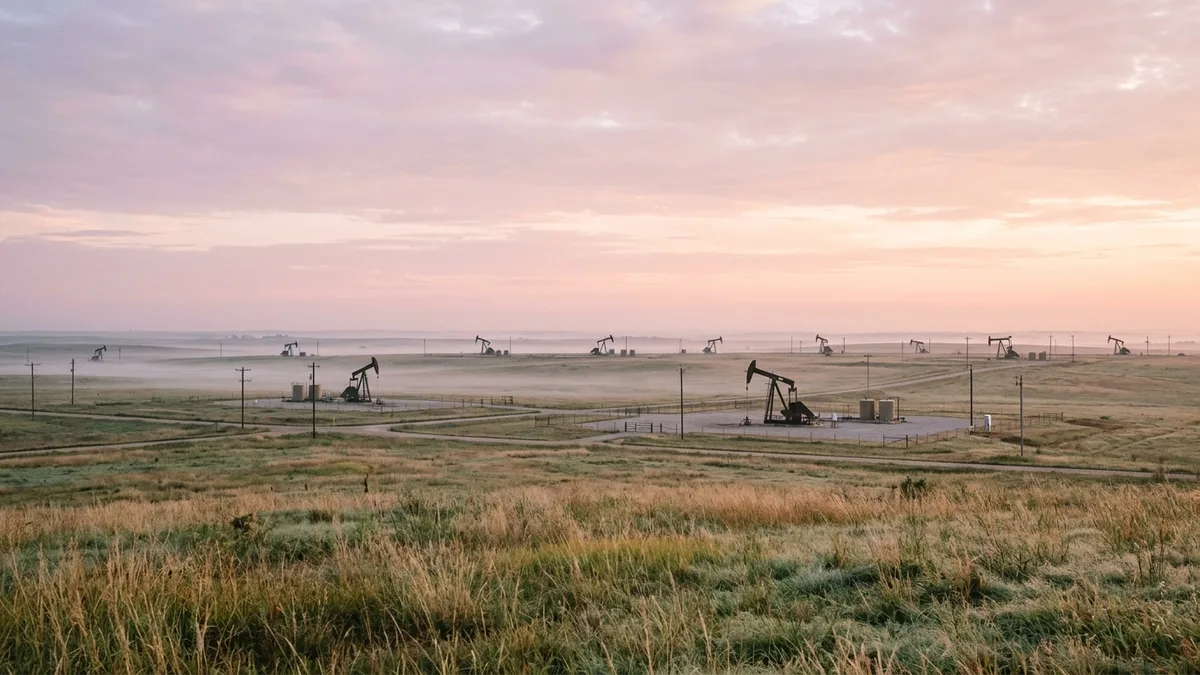
According to Oklahoma Energy Today, drilling activity across Oklahoma continues to concentrate in several key plays, with operators actively spudding new wells across the state’s most productive basins.
Market Impact
Oklahoma remains one of the more active drilling states outside the Permian, with the STACK, SCOOP, and Arkoma plays driving the bulk of new well permits and spud activity. The state’s rig count has held relatively steady in recent months, with the Oklahoma Corporation Commission logging new permits across Grady, Stephens, Canadian, and Kingfisher counties, areas that have historically been the strongest for oilfield services demand.
The Anadarko Basin in particular continues to attract operator attention, with major producers maintaining multi-well pad programs that keep completions crews and pipeline contractors busy on a rolling basis. Midcontinent activity may not grab the same headlines as the Permian Basin, but for regional service companies, consistent permit flow in Oklahoma translates to steady work queues.
What It Means for Subcontractors
- Monitor county-level permit filings through the Oklahoma Corporation Commission’s online database to identify where well activity is clustering before competitors do.
- Grady and Stephens counties have historically been among the busiest for completions work in the SCOOP play. Companies with crews already mobilized in that corridor are better positioned to pick up spot work on short notice.
- Pipeline and gathering contractors should watch pad-drilling programs closely. Multi-well pads compress the timeline between spud and first production, meaning midstream tie-in work bunches up quickly.
- Equipment rental and water hauling companies should track permit volume as a leading indicator. Permit spikes typically precede rig moves by two to four weeks.
- Regional service companies competing with Permian-focused contractors may find Oklahoma a more accessible market, with lower crew mobilization costs and less competition for local subcontract slots.